
Last updated November 25, 2026
 Sweep & inspection
 Caps & crowns
 Flue relining
 Masonry repair
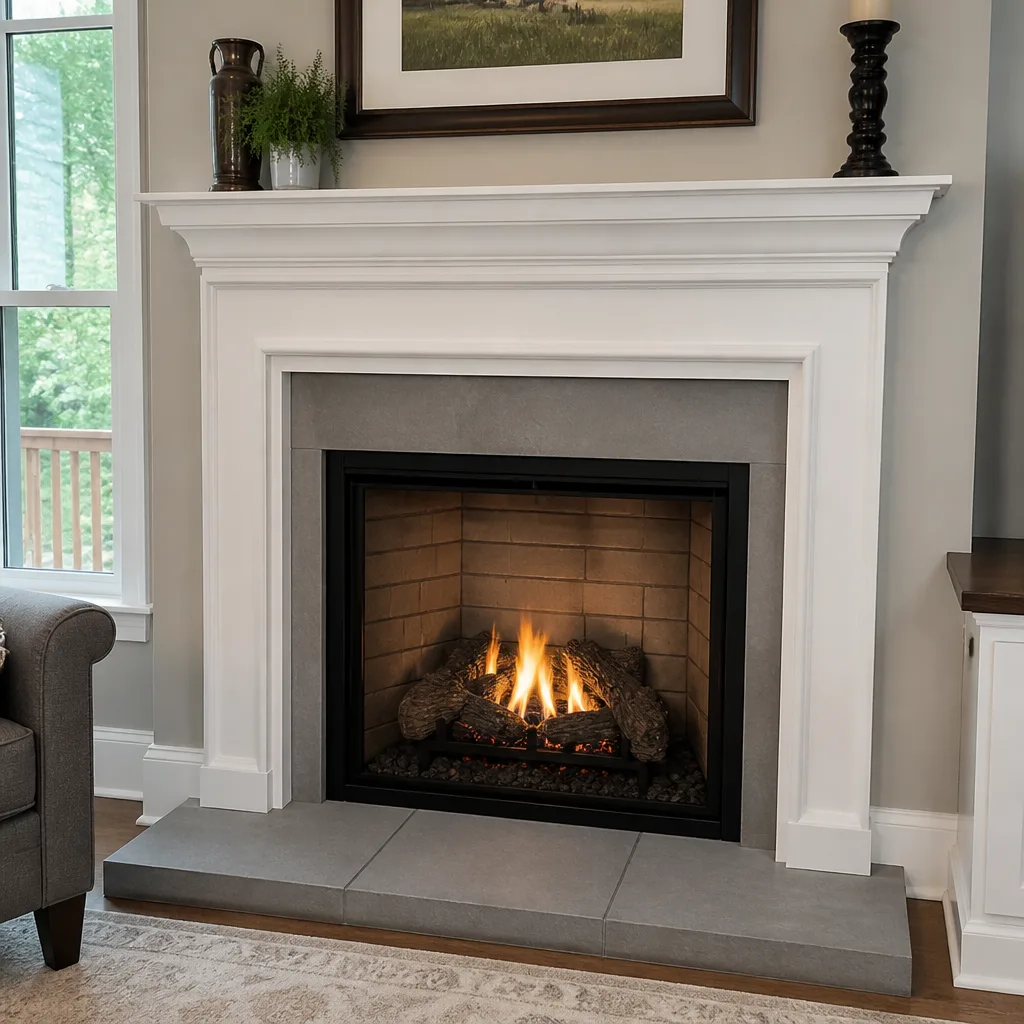 Gas fireplace service
Level 1 sweep and inspection to the NFPA 211 annual standard - flue, crown, cap, and flashing checked and photographed
Chimney sweep logs do not sweep chimneys. They loosen some creosote - which then falls where a brush and vacuum still have to collect it.
Chimney Sweep Maintenance Checklist for South Hill Homeowners
A chimney swept in September can be overdue by November if the household burned green wood through October. The calendar tells you nothing; the flue does. Most chimney care advice is built around dates, and dates are a poor proxy for the conditions that actually load a flue with creosote or crack a crown. South Hill sits in a part of Washington where wet winters and long burn seasons put real stress on wood-burning systems, so a checklist tied to what you can see, smell, and feel beats one tied to the month on the wall. This guide gives you a condition-based checklist you can use between professional visits: what to inspect from the firebox, how to log your burn habits, how to check the crown and cap without a ladder, and when to stop and call.
Quick Answer
A workable chimney maintenance checklist for a South Hill homeowner has three tiers: monthly owner checks you can do from the firebox and the ground, pre-season triggers that tell you when to book a sweep regardless of the date, and immediate-call conditions like a strong smoke smell, visible creosote glaze, or a damaged crown. The checklist below is built around conditions you can observe, not calendar dates, so it stays accurate through a wet South Hill winter and a long burn season.
Styles & brands we work with
- Sweep & inspection
- Caps & crowns
- Flue relining
- Masonry repair
- Gas fireplace service
Table of Contents
- Why a Date-Based Chimney Schedule Fails in South Hill
- What You Can Check From the Firebox (No Ladder Required)
- What Draft “Feel” Tells You Before You Smell Smoke
- How to Log Your Burn Habits for a Better Sweep
- The Five-Minute Crown and Cap Check
- The Tiered Checklist: Monthly, Pre-Season, Immediate
- What a Professional Sweep and Inspection Covers
- Repairs a Checklist Can Catch Early
Why a Date-Based Chimney Schedule Fails in South Hill
The standard advice is “sweep once a year.” It’s a rough rule of thumb that assumes average use, average wood, and an average climate. South Hill is not average on any of those counts. Our wet, cool winters mean many households burn more months than they expected, and a steady fire in a damp season produces more creosote than the same wood burned in a dry climate. If you have burned a lot of softwood, or wood that wasn’t fully seasoned, your flue can build up deposits faster than an annual schedule would suggest.
That’s the core problem with calendar-based maintenance. A sweep performed in early fall tells you the condition of the flue on that day. What happens over the following months depends entirely on what you burn and how you burn it. A household that switches to greener wood mid-season can undo the head start a fall sweep provided.
In our experience, the homeowners who get the most out of a professional visit are the ones who can describe their burn habits: how often they light a fire, what wood they use, and whether the draft has changed. That information turns a routine sweep into a diagnostic visit. A checklist you keep yourself, based on conditions rather than dates, is how you supply that context.
One more South Hill factor: the shoulder seasons. Late fall and early spring in the South Hill area can swing between damp and dry within a week, and a chimney that sat unused through a wet stretch is exactly the kind of system that benefits from a visual check before the next burn. Conditions change; the calendar doesn’t.
What You Can Check From the Firebox (No Ladder Required)
You don’t need to climb onto the roof to learn a lot about your chimney. Most of what matters early in the season is visible from inside the firebox, with a flashlight. These checks should be done cold, with no fire burning and no embers present.
Here’s what to look at, step by step:
- The damper. Open and close it fully. It should move without grinding. A damper that sticks or won’t seal flat can mean a smoky fire and heat loss up the flue.
- The firebox walls. Look for cracks in the brick or mortar joints. Hairline cracks in the firebrick are common with age, but a crack you can fit a fingernail into, or a chunk of missing mortar between firebrick, warrants a professional look.
- The smoke shelf and damper frame. Shine the light up and back. You’re looking for soot buildup, rust, or debris that has fallen onto the shelf. A heavy layer of soot here is normal after a season; a pile of debris, like leaves or nesting material, is not.
- The flue opening above the damper. From the firebox, look up the flue with your light. You should see a relatively clear passage. If you see a fuzzy, black, or glossy coating on the flue walls, that’s creosote, and glossy or “glazed” creosote is the kind that needs a sweep before you burn again.
- The throat and lintel. Look for staining, rust, or white mineral deposits. These can point to moisture getting in from above, which is a top-of-chimney issue you’ll check later in this guide.
None of these steps requires tools beyond a flashlight. None of them requires you to get on the roof. And together they give you a decent early read on whether your South Hill chimney is in good shape or is showing signs that should move up your priority list.
A note on safety: do not reach up into the flue, and do not attempt to remove creosote yourself. The firebox is safe to inspect cold from the opening. Everything past the damper frame is a job for a trained sweep with the right tools and a proper look from the top.
What Draft “Feel” Tells You Before You Smell Smoke
Draft is the invisible part of chimney health, and it’s a leading indicator. A fireplace that drafts well pulls smoke up and out. A fireplace with a weak or reversed draft pushes smoke back into the room, and by the time you notice the smell, the cause has been building for a while. You can feel draft without lighting a fire.
Here’s a simple, safe test. With the firebox cold and the damper open, hold your hand near the damper opening (not inside the firebox, and not close enough to touch anything). In a chimney with healthy draft, you’ll feel a slight pull of air moving up and out. In a chimney with a blockage or a reversed draft, you’ll feel still air, a weak pull, or air moving the wrong direction.
What each result means:
- Steady upward pull: Draft is working. Continue monitoring through the season.
- Weak or inconsistent pull: Could be a partial obstruction, a flue that’s undersized for the firebox, or a house that’s too tight for the chimney to draw. Worth a professional look before you light up.
- Air pushing back into the room: A classic sign of a blockage or a pressure problem. Do not light a fire until a sweep has checked it.
Draft feel also changes with the weather. Cold, still days can make even a healthy chimney feel sluggish, and a warm day after a cold snap can briefly reverse a normally strong draft. You’re looking for the consistent pattern, not a single reading. If your South Hill home feels sluggish over several days of similar weather, that’s a signal. If one cold morning feels off and the rest of the week is normal, you likely don’t have a problem.
Draft problems are often the cheapest thing to catch early. A cap that’s partially blocked, a bird’s nest, or a small crack in the flue can all weaken draft before they become expensive. Once you’re used to what normal feels like, the change becomes obvious.
How to Log Your Burn Habits for a Better Sweep
The single most useful thing you can bring to a professional sweep is a simple log of how you burn. It doesn’t need to be complicated. A notebook or a note on your phone works. The point is that a sweep who knows your burn habits can tell you more about your chimney’s condition, and can flag patterns that a one-off visit would miss.
Log these four things, roughly once a week during burn season:
- Wood type. Softwood or hardwood, and whether it’s seasoned or green. Seasoned hardwood burns hotter and cleaner; green or soft wood produces more creosote. If you don’t know what you have, note where you got it.
- Frequency. Roughly how many fires per week. A household that burns daily for months builds deposits much faster than one that burns on cold weekends.
- Draft quality. Use the draft feel test above, or just note whether you noticed smoke rolling into the room, a slow-starting fire, or a smell after a burn.
- Anything unusual. A new crack, a stain on the firebox, soot falling onto the hearth, or a change in how long a fire takes to catch. Note the date and what you saw.
When a South Hill Chimney Sweep technician arrives, a log like this lets us match what we find in the flue to how you’ve actually been burning. If you switched to greener wood mid-season and the flue shows heavier buildup than expected, we can tell you why and adjust your next sweep timing accordingly. A checklist that only tracks dates can’t do that.
We use professional-grade materials from brands like Olympia Chimney and DuraFlex when a repair is needed, and knowing your burn history helps us recommend the right repair rather than a default one. The log isn’t paperwork for its own sake. It’s the input that makes the next visit more accurate.
The Five-Minute Crown and Cap Check
The top of your chimney is where the most expensive damage usually starts, and you can inspect it from the ground with your eyes and a pair of binoculars. This check takes under five minutes and doesn’t require tools or a ladder.
Here’s the sequence:
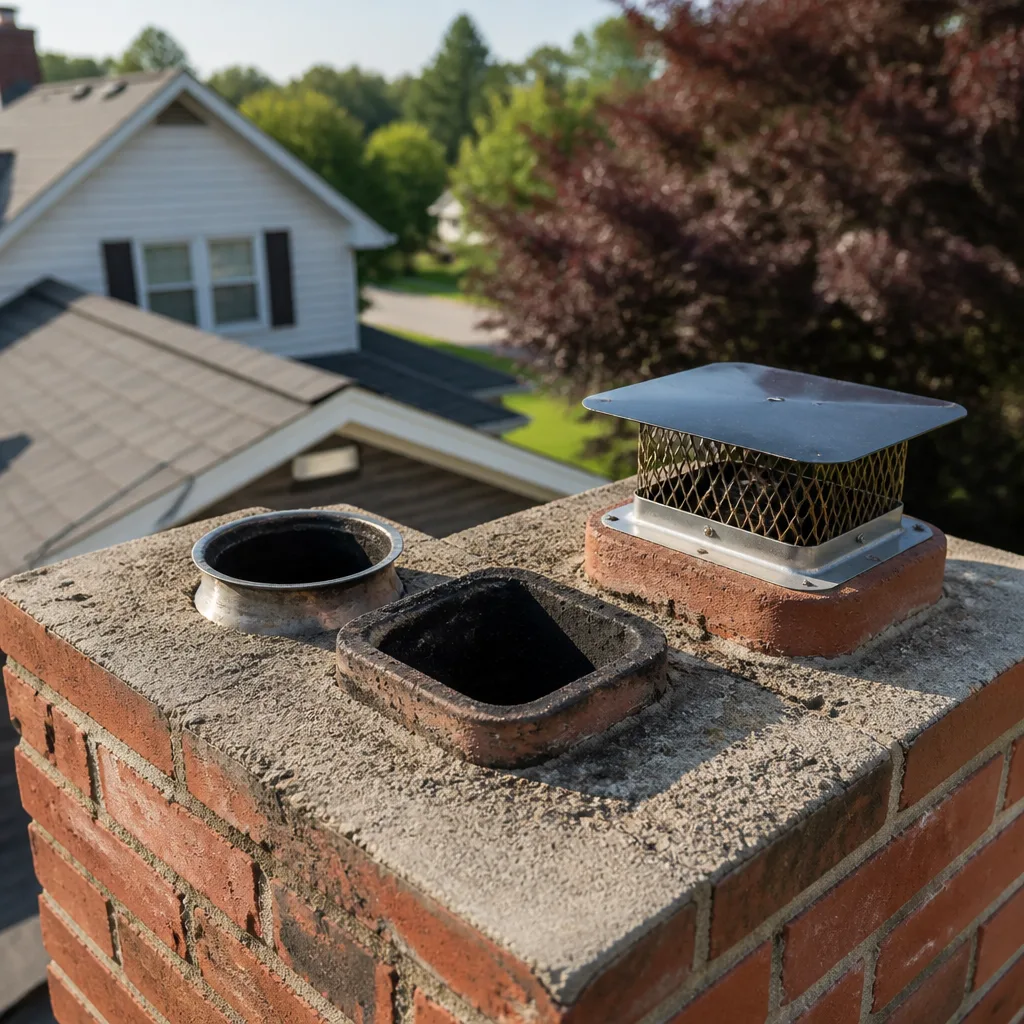
- Look at the crown. The crown is the concrete or masonry cap that slopes away from the flue opening. From the ground, look for cracks, missing chunks, or a surface that looks like it’s pulling away from the flue. A crown with a visible crack is letting water in.
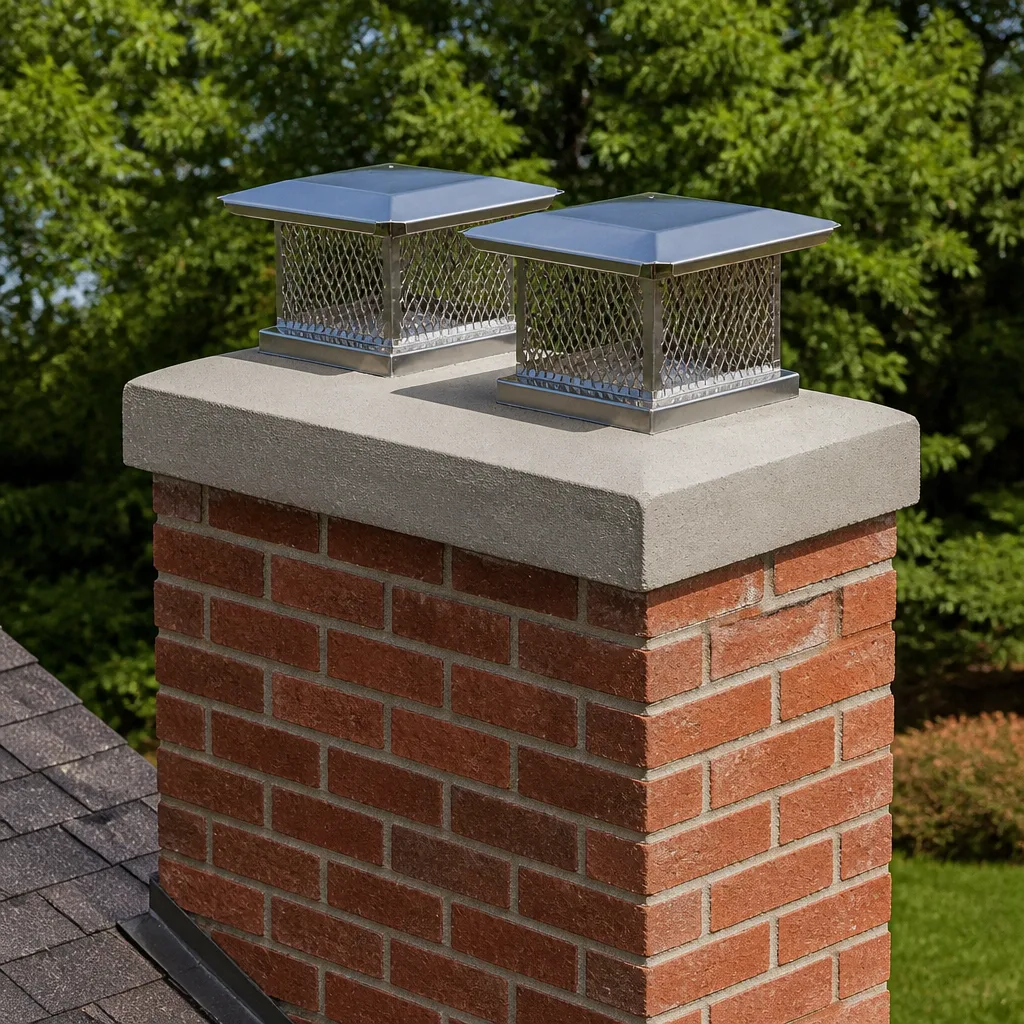
- Check the cap. The cap is the cover (often metal, sometimes with a mesh screen) over the flue opening. Look for a cap that’s missing, tilted, rusted through, or has a screen that’s clogged or torn. A clogged screen blocks draft and invites debris.
- Look for staining. White or gray streaking down the side of the chimney, or a dark stain near the top, is a sign of water getting in. Rust streaks are another clue.
- Check the flashing. Where the chimney meets the roof, there’s a metal flashing seal. From the ground or a window, look for gaps, lifted edges, or a sealant that’s cracked and pulling away.
- Look for spalling. Spalling is when the brick or mortar face flakes or falls away. Even a few loose flakes at the top are worth noting.
Water intrusion is the leading cause of long-term chimney structural damage, and the crown and cap are the two components that do the most to keep water out. A five-minute check from the ground catches most of the problems that would otherwise show up as a much larger repair later. If you see a cracked crown, a missing cap, or staining, that’s a call-a-professional moment, not a wait-and-see.
Chimney cap and crown work is one of our five core services, and it’s the piece most cleaning-only providers don’t touch. The brands we work with for these components include Copperfield and Olympia Chimney, and the right choice depends on your chimney’s size and the condition of the flue top. If you’re unsure what you’re seeing from the ground, a professional inspection will tell you exactly what’s there.
The Tiered Checklist: Monthly, Pre-Season, Immediate
Here’s the full checklist, organized into three tiers by urgency. Use it as a standing routine rather than a one-time read.
Tier 1: Monthly owner checks (cold firebox, five minutes)
- Open and close the damper; note any sticking or grinding.
- Flashlight the firebox walls for new cracks or missing mortar.
- Check the smoke shelf for fallen debris or heavy soot.
- Look up the flue opening for glossy or fuzzy creosote.
- Do the ground-level crown and cap check described above.
- Update your burn log.
Tier 2: Pre-season sweep triggers (book a sweep if any of these are true)
- You burned more than a season’s worth of wood since the last sweep.
- You burned green, wet, or soft wood for any significant stretch.
- You see glossy or glazed creosote in the flue opening.
- Your burn log shows more than a season’s worth of heavy soot on the smoke shelf.
- You’re switching fuels, adding a new stove insert, or moving into a South Hill home you haven’t had inspected.
- It’s been more than a year since your last professional sweep, regardless of use.
Tier 3: Call immediately (do not light a fire until checked)
- Smoke rolls back into the room or you smell smoke after the fire is out.
- Draft feel is reversed, with air pushing down into the firebox.
- You see cracked or spalling brick, or staining on the chimney exterior.
- You find soot or debris on the hearth after a burn.
- The cap is missing or badly damaged, and rain can get directly into the flue.
This structure is what makes the checklist usable. Monthly checks keep you aware of your system. Pre-season triggers tell you when a sweep is worth booking before the calendar says so. Immediate triggers are the small list where waiting can cost you. Most South Hill homeowners will spend most of their time in Tier 1, which is exactly right.
What a Professional Sweep and Inspection Covers
A professional chimney sweep and inspection does more than push a brush through a flue. Done right, it’s a top-to-bottom assessment. A sweep removes creosote and debris, and an inspection checks the structural and safety condition of the whole system: the firebox, the damper, the flue, the crown, the cap, and the flashing. The two together are what let you make an informed decision about the next burn season.
When South Hill Chimney Sweep comes out, our technicians have up to 15 years of experience and work from a documented checklist. We start at the firebox and work up, then check the top of the chimney, and we photograph what we find. Our chimney sweep is scheduled as a routine visit; the inspection is what turns it into something useful for the rest of the season.
A full-system visit covers five service areas under one roof:
- Sweep: removal of creosote, soot, and debris from the flue and firebox.
- Inspection: assessment of structural and safety conditions from the firebox to the crown.
- Fireplace repair: fixing what the inspection finds at the firebox level, including damper and firebrick work.
- Chimney repair: addressing flue deterioration, mortar, and other structural issues.
- Cap and crown: replacing or repairing the components that keep water out of the system.
Having all five under one company matters because a checklist usually surfaces more than one issue. If a sweep turns up a cracked crown and a worn damper, you want one team to explain the sequence and the tradeoffs, not a referral chain. We also work with HeatShield for flue resurfacing and DuraFlex for liner work, which are the two specialized repairs most sweep-only companies can’t do in-house. A chimney inspection isn’t just maintenance; it’s a liability check before you light your first fire of the season, and it’s best done by someone equipped to follow through.
Repairs a Checklist Can Catch Early
The value of a checklist is that it catches problems at the cheap end of the repair scale. Here’s what each early signal in this guide corresponds to, and why it’s worth acting on before the problem grows.
Glossy or glazed creosote in the flue. This is the most serious creosote condition and the one most associated with dangerous flue fires. A sweep removes it. If the flue lining underneath is damaged, HeatShield resurfacing can restore the interior without a full rebuild. Glazed creosote is a Tier 2 trigger, not a wait-and-see.
Cracked or spalling crown. A crown with a visible crack lets water into the masonry. Over time that water freezes, expands, and causes the brickwork to spall. Crown repair or replacement is a much smaller job than rebuilding a chimney, and it’s the single most common repair our checklist catches early.
Missing or damaged cap. A missing cap lets rain, birds, and debris into the flue. A damaged screen blocks draft. Both are small costs compared to a flue that’s been soaked or blocked for a season. New caps from Copperfield or Olympia Chimney are sized to the flue opening and worth installing before the next wet South Hill winter.
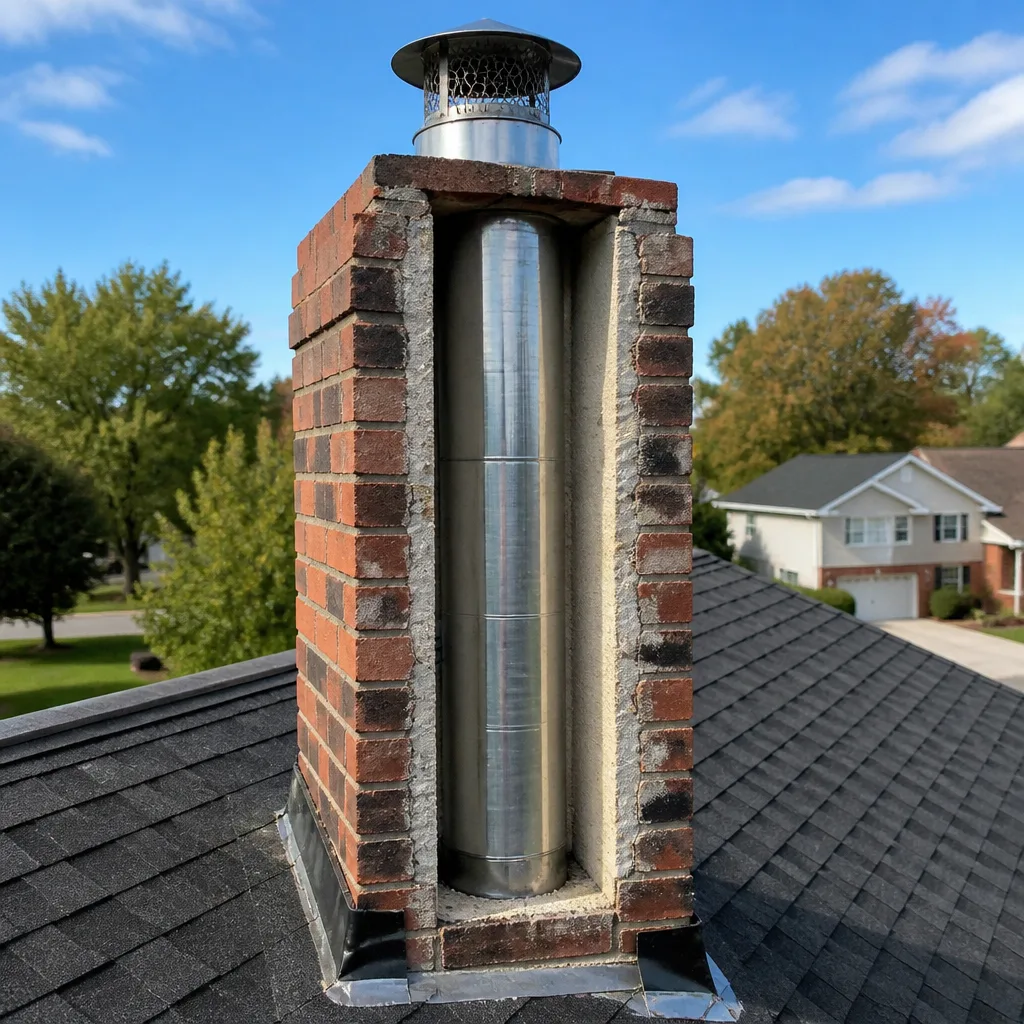
Deteriorating flue interior. If the sweep finds that the flue lining is cracked or deteriorating, DuraFlex liner systems can bring an older or damaged flue back into code compliance and better draft performance without tearing the chimney down. This is one of the more common repairs we run into in older South Hill homes that have been heating with wood for many seasons.
Worn damper or firebox mortar. Small fireplace repair issues rarely stay small. A damper that doesn’t seal costs you heat up the flue and can make the whole household draft worse. Firebox mortar that’s crumbling lets heat reach brick that isn’t rated for it.
The pattern is consistent: the checklist catches problems while a targeted repair is still possible. Let those same problems sit for a season or two and you’re into chimney repair territory, which is a bigger job with a bigger estimate.
Common Mistakes to Avoid
- Treating “annual sweep” as the whole plan. An annual sweep is a starting point, not a schedule. South Hill’s damp winters and long burn seasons mean the flue can build up faster than the calendar suggests, so check the flue condition, not just the date.
- Putting off a crown check because you don’t want to climb the roof. The five-minute ground-level check catches most crown and cap problems. Skipping it is how a small crown crack turns into masonry repair.
- Burning green or unseasoned wood all season. Wet wood produces more creosote and lowers the heat you get per log. If you’re unsure about your wood supply, log it and tell your sweep.
- Ignoring a change in draft. A draft that was strong last season and feels sluggish this season is a signal. Don’t wait for a smoke smell to investigate.
- Using a generalist for chimney work. A handyman with a brush can’t assess a flue lining or do HeatShield resurfacing. A sweep-only company can’t repair a crown. The work is specialized, and the checklist only pays off if the follow-through is in the same place.
- Not logging burn habits. Without a burn log, a sweep has to guess how your flue got into its current condition. With one, the visit becomes diagnostic and the timing of the next sweep can be based on your actual use.
- Assuming a gas fireplace needs no chimney care. Gas fireplaces still have a flue that needs inspection for debris, animal activity, and venting issues. Our South Hill Chimney Sweep team services both wood-burning and gas systems.
See the difference
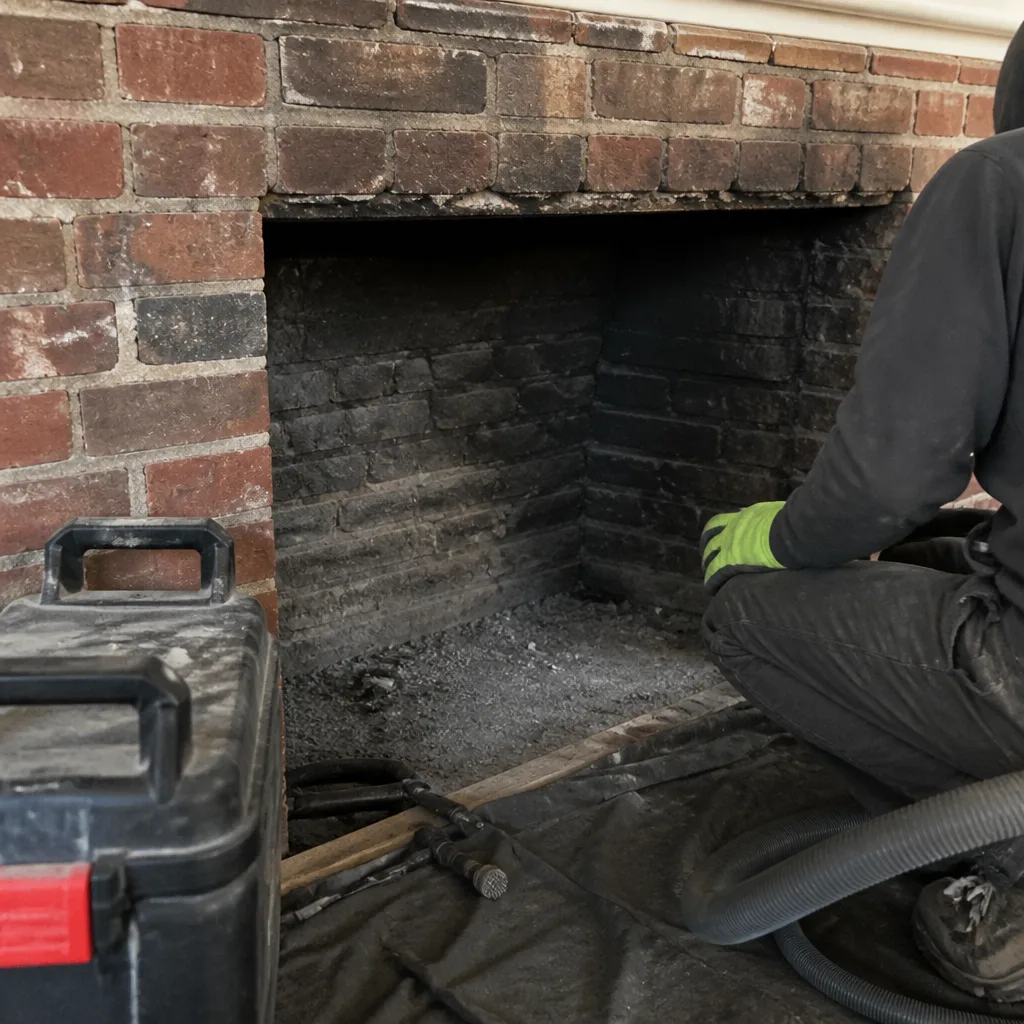 Before
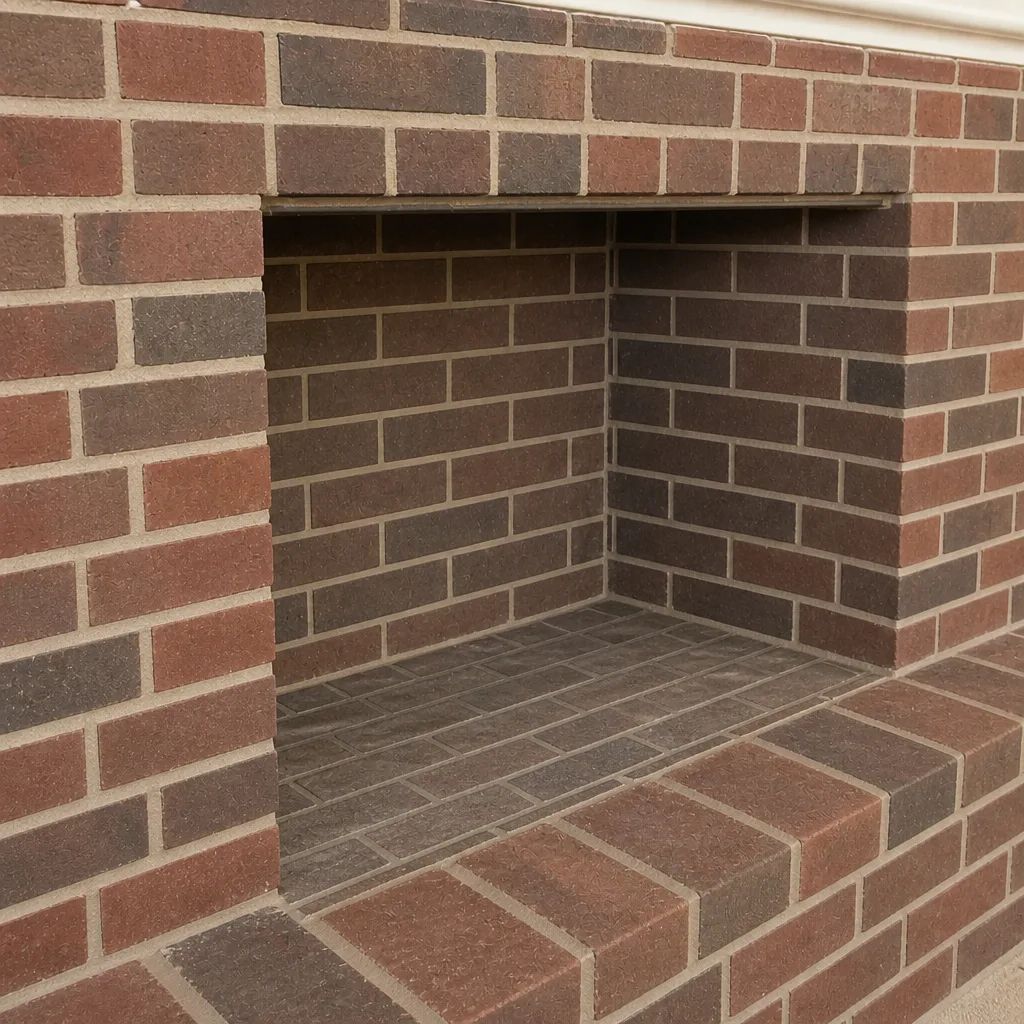 After
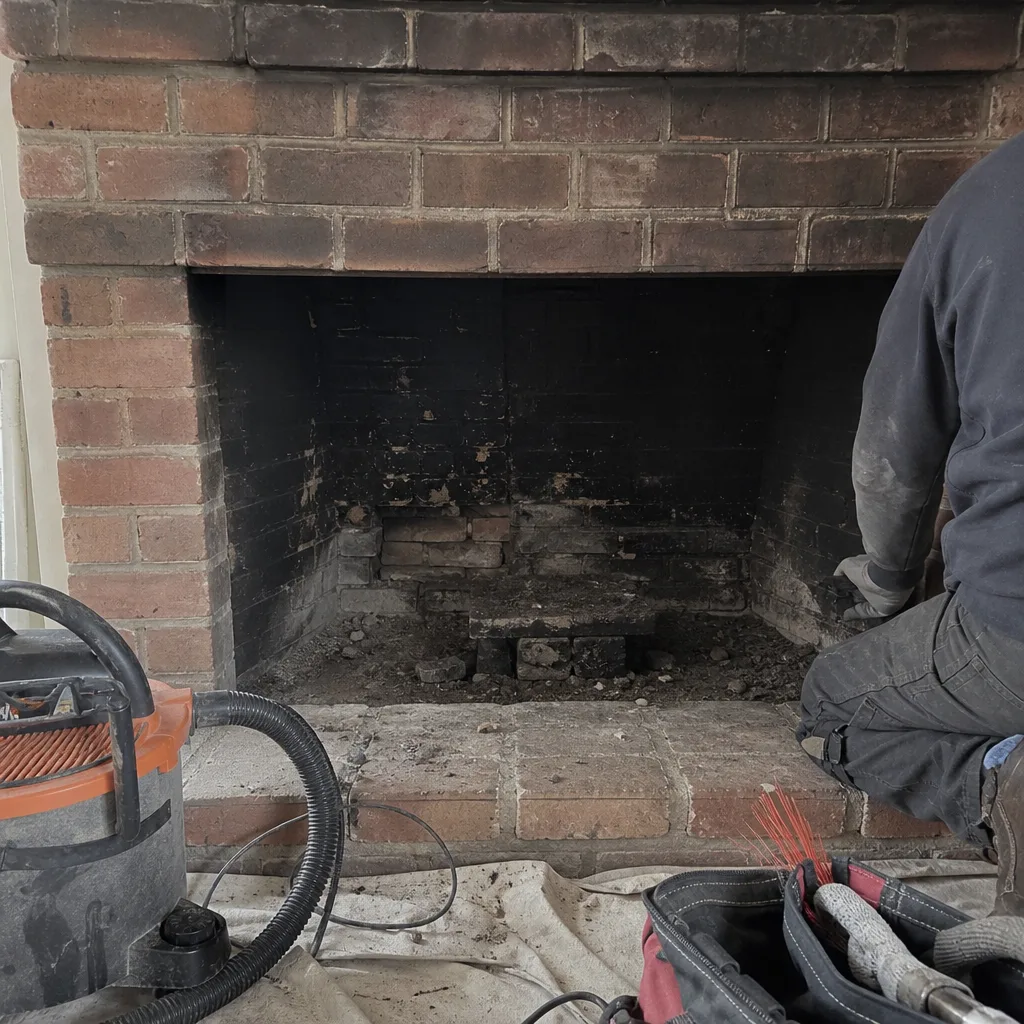 Before
 After
 Before
 After
When to Call a Professional
Call a professional when any Tier 3 item is true: smoke rolling into the room, a reversed draft, soot or debris on the hearth, cracked or spalling brick, or a cap that’s missing or damaged. Call before your next fire if the draft has changed, if you see glossy creosote, or if the crown check turns up a visible crack. And call on a routine basis: if it’s been more than a year since your last sweep, or you’ve moved into a South Hill home you haven’t had inspected, book a visit before the season starts. Every service comes with a free estimate, and we’ll tell you exactly what we found and what it means before we quote a single repair. South Hill Chimney Sweep offers free estimates in South Hill. Call (833) 509-5329. We answer 24/7. Fast dispatch from 7am to 7pm, Sunday through Friday.
Frequently Asked Questions
At least once a year, and more often if you burn frequently or burn green or soft wood. Because South Hill winters are damp and many households burn for extended stretches, the condition-based triggers in this checklist matter as much as the calendar. If your flue shows glossy creosote or your smoke shelf carries heavy soot after a partial season, book a sweep regardless of when the last one was done. Call (833) 509-5329 for an exact quote on a routine sweep.
You can and should do the owner-level checks in this guide: firebox inspection with a flashlight, the draft feel test, the ground-level crown and cap check, and your burn log. Those are safe, tool-free, and tell you a lot. What you can’t do safely is inspect the flue itself from the inside, remove creosote, or assess structural damage. For that, call a professional. Call (833) 509-5329 for a free estimate.
Air pushing down into the firebox means a reversed or blocked draft, and you should not light a fire until a professional checks it. Common causes are debris in the flue, a blocked cap, a flue that’s undersized for the firebox, or a house that’s too tight to draw. It’s a Tier 3 trigger in this checklist. Call us for a same-day look; the estimate is free. Call (833) 509-5329.
Yes. A cracked crown lets water into the masonry, and that’s the leading cause of long-term chimney structural damage. Water expands when it freezes and can spall bricks from the inside out. Crown repair is a much smaller job than rebuilding a damaged chimney. It’s worth fixing as soon as you can see the crack. Call (833) 509-5329 for a free estimate on cap and crown work.
Glazed creosote looks glossy, hard, and sometimes puffy on the flue walls, unlike the fuzzy soot you might see during normal use. You can sometimes spot it by shining a flashlight up the flue from the firebox opening. It’s the kind of creosote that’s most associated with dangerous flue fires and should be removed by a professional sweep. Don’t try to remove it yourself. Call (833) 509-5329 to book a sweep.
Yes, but the frequency can be adjusted. A household that burns a few fires a week through the cold months still builds up creosote, just more slowly than a daily-burner. A professional sweep and inspection is still needed to confirm the flue lining is intact and the crown and cap are sound. The checklist helps you time that visit based on your actual use rather than a guess. Call (833) 509-5329 for a free estimate.
The Bottom Line
A chimney maintenance checklist only works if it’s tied to what you can observe, not to a date on the calendar. The tiers in this guide are built for that: monthly firebox and crown checks, pre-season triggers that tell you when to book a sweep based on how you actually burned, and a short list of immediate-call conditions. The payoff is a South Hill home that catches small problems early, with a documented burn log and a sweep who can use it. South Hill Chimney Sweep handles the full system, from sweep and inspection to crown and cap work. Call (833) 509-5329 for a free estimate. Our technicians have up to 15 years of experience.
Written by the team at South Hill Chimney Sweep.