
Last updated November 25, 2026
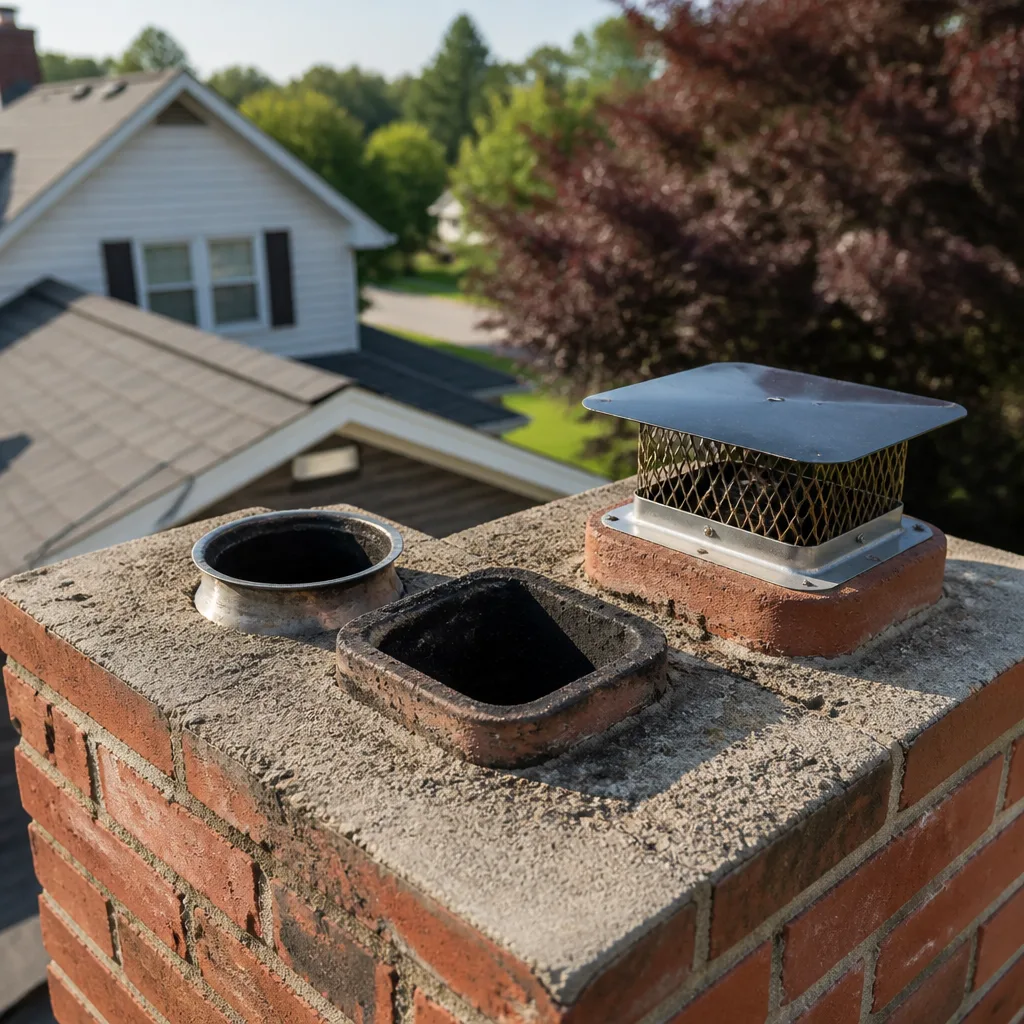 Sweep & inspection
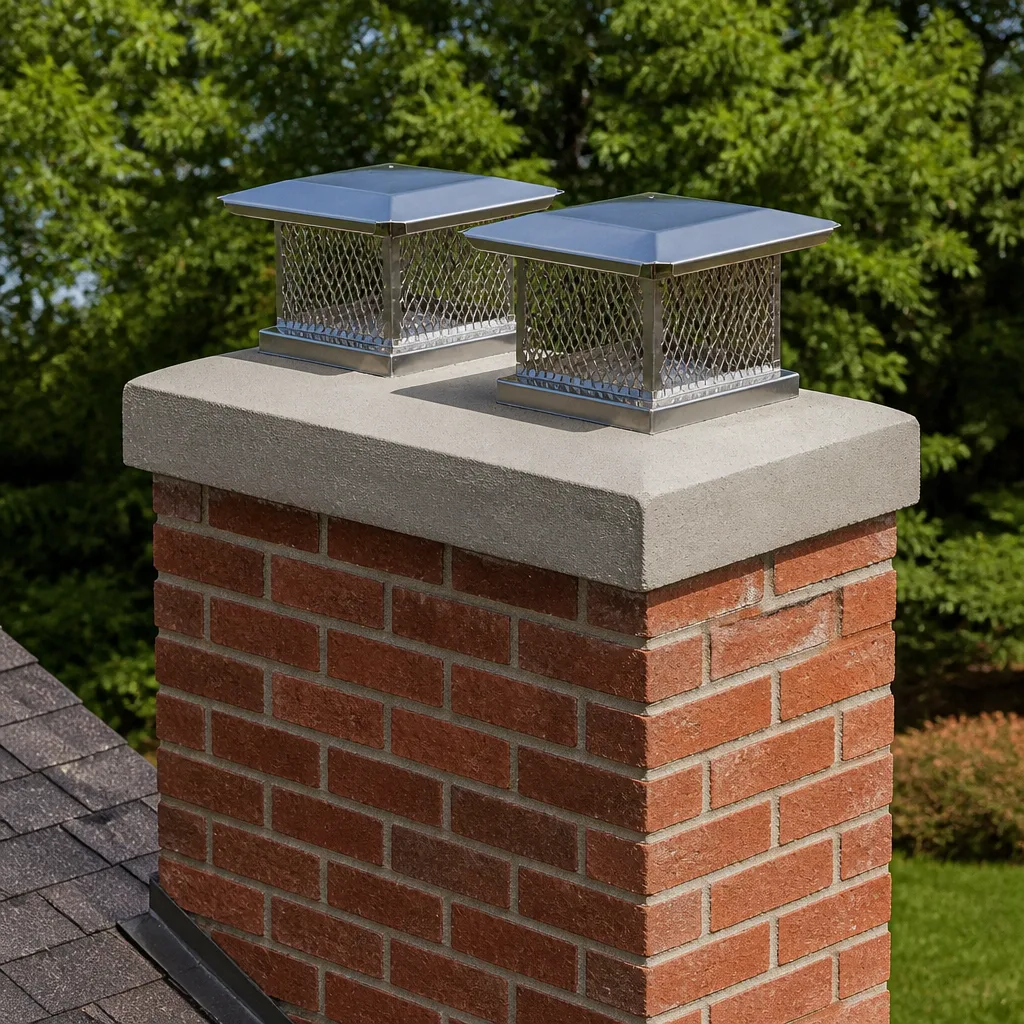 Caps & crowns
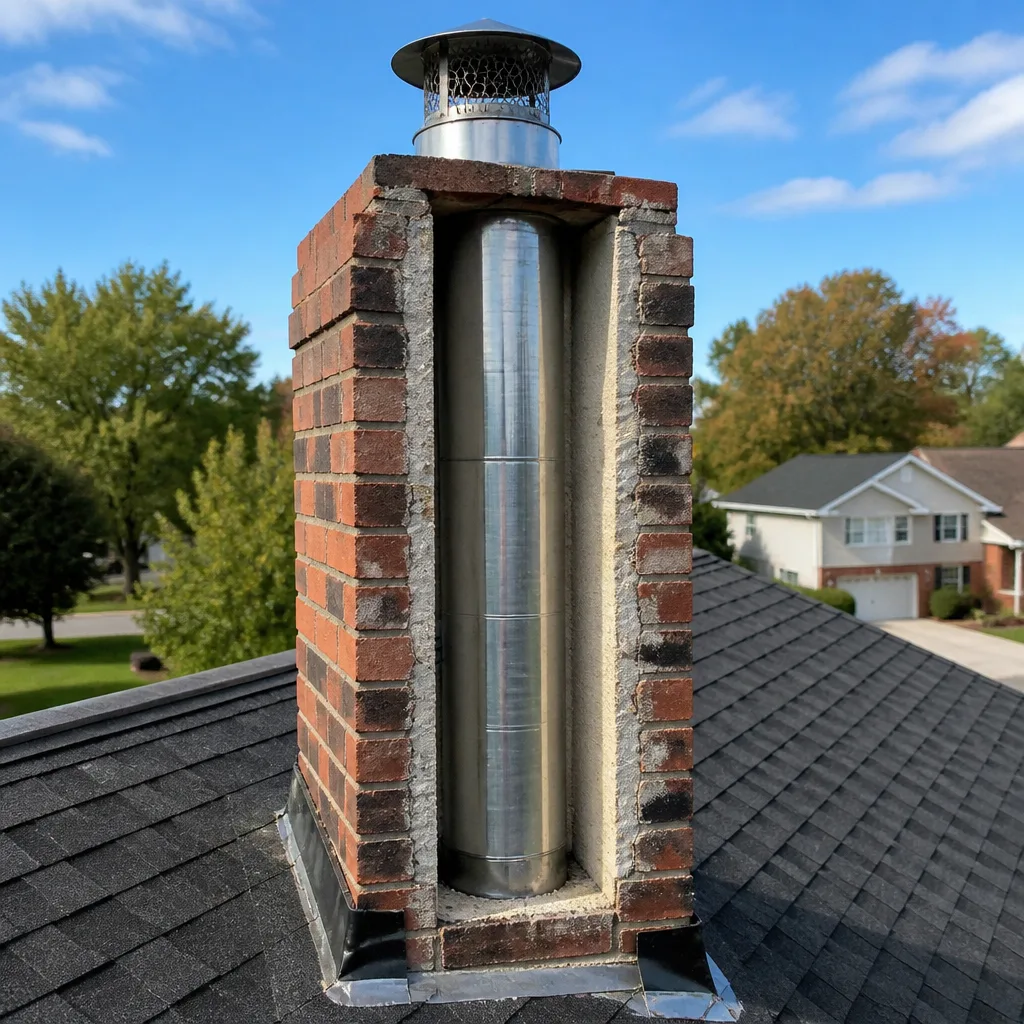 Flue relining
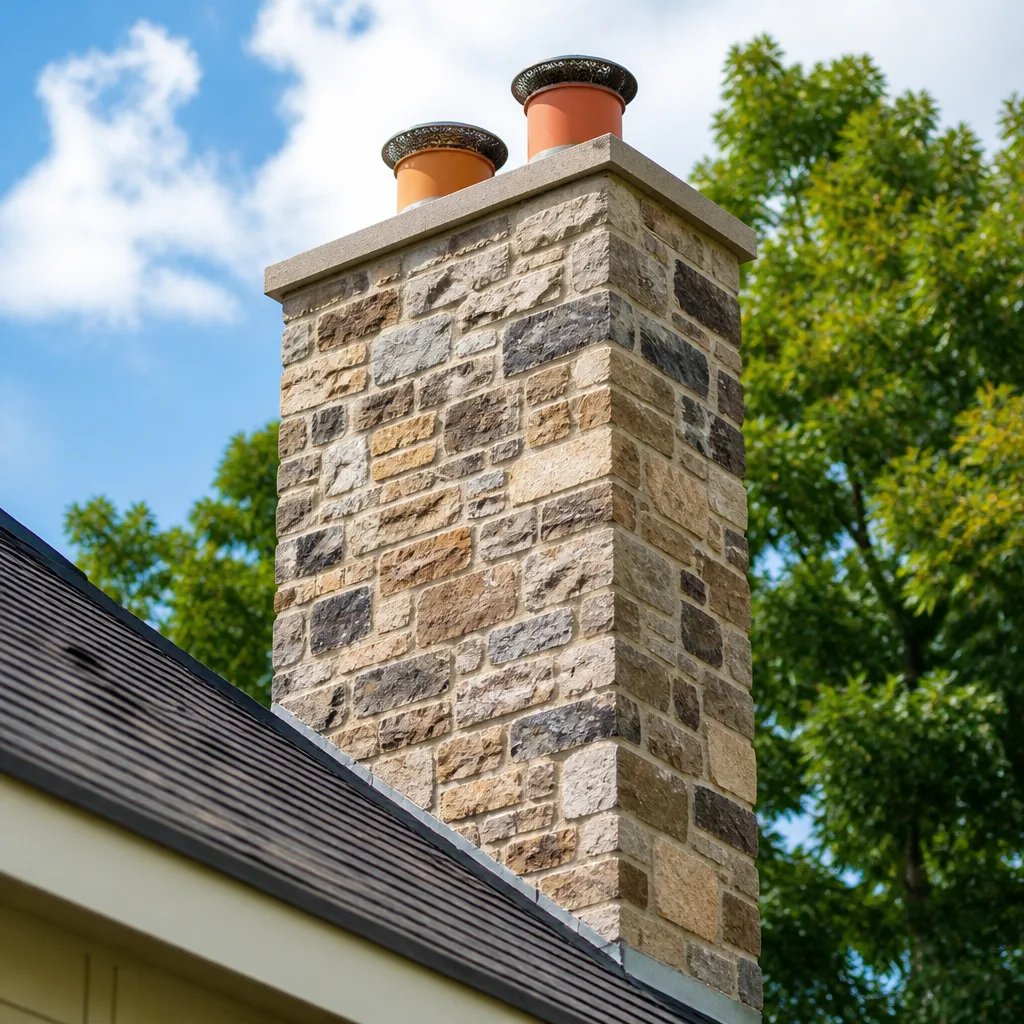 Masonry repair
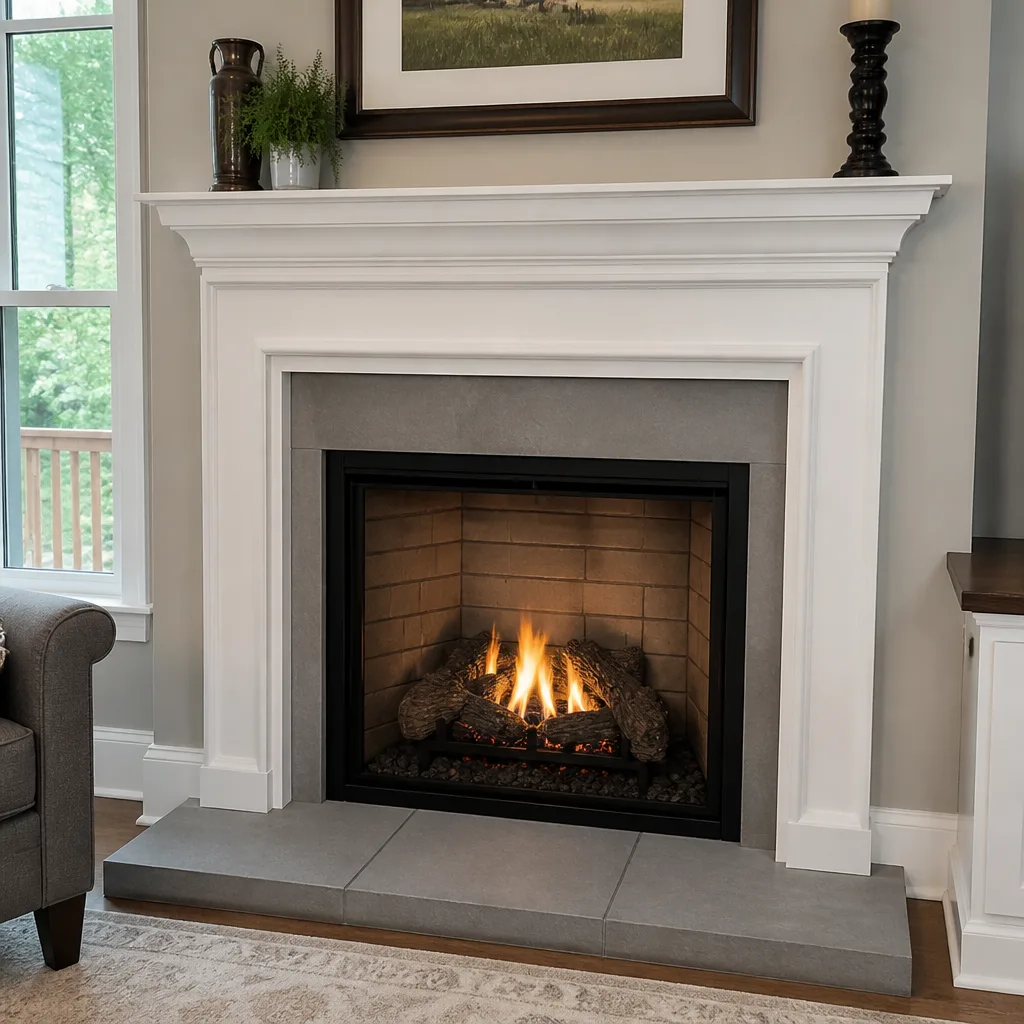 Gas fireplace service
Level 1 sweep and inspection to the NFPA 211 annual standard - flue, crown, cap, and flashing checked and photographed
Chimney sweep logs do not sweep chimneys. They loosen some creosote - which then falls where a brush and vacuum still have to collect it.
DIY vs Professional Chimney Cleaning: The South Hill Homeowner’s Decision Guide
The chimney brush kits sold at hardware stores work just fine, but only on the kind of flue that least needs the attention. The chimneys that genuinely need cleaning are usually the ones where a homeowner’s first brush stroke makes things worse, not better. That’s the honest split we want to draw in this guide, because the usual “always hire a professional” line skips over the part homeowners actually need to understand. What we’ll walk through is how to assess your own flue safely, which conditions make DIY sweeping perfectly reasonable, and where the risk actually hides. South Hill homeowners deal with the same questions every fall, and the answers aren’t as one-sided as the trade magazines suggest.
Quick Answer
DIY chimney cleaning is a reasonable choice when you have a straight, accessible flue, a wood-burning appliance, and visible creosote that’s soft, flaky, or soot-like (stage one). It becomes a poor choice, and potentially a costly one, when the creosote is glazed or tar-like, when the flue has any bends or offsets you can’t see, or when you don’t actually know what condition the interior is in. A professional chimney sweep includes a camera inspection and a written assessment, which is the part most homeowners can’t replicate from the ground. If you can’t confidently identify your creosote stage and flue type before you start, that uncertainty is the reason to call.
Styles & brands we work with
- Sweep & inspection
- Caps & crowns
- Flue relining
- Masonry repair
- Gas fireplace service
Table of Contents
- How Do You Assess Your Own Flue Before Deciding?
- When Does DIY Chimney Cleaning Actually Make Sense?
- When Does DIY Cleaning Make Things Worse?
- What Are the Stages of Creosote and Why Do They Matter?
- What Tools Does DIY Cleaning Require, and What Do They Miss?
- What Happens With Insurance After a DIY Chimney Fire in Washington?
- Professional Cleaning Cost vs. the Cost of a Preventable Fire
- Common Mistakes to Avoid
- When to Call a Professional
How Do You Assess Your Own Flue Before Deciding?
Before you decide between DIY and a professional visit, you need to answer three questions about your own chimney. This is the step that separates homeowners who do the job safely from homeowners who create a problem. Take ten minutes with a flashlight and a mirror to answer them honestly.
- What type of appliance do you burn? A wood-burning fireplace or insert produces creosote. A gas fireplace produces very little, and cleaning needs are different. If you have a pellet stove, the ash load is heavier than most people expect.
- Is the flue straight, or does it have bends or offsets? Straight flues running up through the roofline are the friendliest for DIY. Any offset, a ninety-degree turn into an exterior wall, or a flue that passes through a chase you can’t see into means your brush may not reach the far walls of the chimney.
- Can you see the full interior? A flashlight down the flue from the top or up from the firebox tells you part of the story. It won’t tell you what’s happening at the smoke chamber or in the offset behind the damper. Camera inspection is the only way to see the whole thing.
In our experience across South Hill, the honest limit of self-assessment is this: you can tell whether the firebox looks sooty, you can tell whether the damper operates, and you can sometimes see soft creosote from the top. You cannot reliably verify the smoke chamber, the crown, the flue tile joints, or the liner interior. Those are the spots where real problems sit.
When Does DIY Chimney Cleaning Actually Make Sense?
DIY chimney cleaning makes sense in a narrow but real set of circumstances. If your setup matches all of the following, the risk is low and the savings are legitimate.
- Your flue is straight and vertical. A single-story home with a straight run from firebox to crown is the easy case.
- You burn dry, seasoned wood and sweep once a year as a routine. Routine maintenance on a clean chimney is the lowest-risk scenario.
- The creosote you can see is stage one. Soft, flaky, dusty, or soot-like deposits respond well to a standard poly brush.
- You have safe roof access. A steep, high, or slippery roof is not a DIY roof, and that decision is about safety, not chimney knowledge.
- You’re comfortable accepting that you may miss something. DIY sweeping is maintenance. It is not inspection. You’re not verifying structural condition either way.
A homeowner on a long, flat South Hill roofline with a single-flue fireplace and a few years of steady use is genuinely a good candidate for annual DIY sweeping. So is a homeowner who does their own firewood, knows their wood is seasoned, and just wants the loose soot out before the burning season starts. In those cases, the brush is enough.
The moment any of those conditions flips, the calculation changes. And in South Hill’s housing stock, the flue that’s easiest to reach from the roof is often the same one that’s been burning the longest without a proper inspection.
When Does DIY Cleaning Make Things Worse?
DIY chimney cleaning is actively counterproductive when the deposits are glazed or tar-like, or when the flue has structural conditions that brushing can’t address. This is where the real risk lives, and it’s more common than hardware-store brush kits make it seem.
Stage-three creosote, which is a hard, glazed, tar-like coating on the flue walls, does not come off with a brush. It behaves more like a varnish than a powder. Brushing it hardens the outer layer and can create a slick coating that catches future deposits faster. Chemical treatment and professional equipment are the reliable path. The same goes for stage-two creosote, which is brittle and flaky but sticks to the flue tiles and often needs a specific removal method to come clean rather than just loosen.
Then there’s the structural side. Brushing a flue with damaged tile joints or a deteriorated mortar crown can dislodge material that ends up lodged in the smoke chamber or blocking the flue cap. A brush won’t tell you that happened. A professional sweep is followed by a camera check, so anything that moved is found before it becomes a problem.
One more scenario matters for South Hill specifically. Homes with older, clay-tile flues, common in some of the neighborhoods around the Puyallup and Sunrise areas, have tile joints that can crack with age. Running a stiff brush on a marginal clay flue isn’t a repair it’s a stress test. In cases like those, a professional visit tells you whether brushing is even safe, and whether a liner like DuraFlex flexible liner is the more appropriate answer.
What Are the Stages of Creosote and Why Do They Matter?
Creosote forms in three stages, and the stage determines whether a brush works or whether the job needs a specialist. This is the single piece of knowledge that most cleanly separates a DIY candidate from a professional call.
- Stage one: soot and soft, flaky deposits. Mostly ash, dust, and light film. A standard brush and rod kit handles this. Annual DIY sweeping is genuinely enough here.
- Stage two: brittle, flaky, but sticky deposits. These cling to the flue tile and don’t come off cleanly with a first pass. Some DIYers can get stage two with patience and a rotary brush, but the deposits tend to break unevenly and leave patches.
- Stage three: glazed, hard, tar-like coating. This is the fire-risk stage. Brushing does not remove it, and can make the layer harder. Chemical treatment, professional rotary equipment, and sometimes resurfacing with HeatShield are the appropriate tools.
You cannot reliably know your creosote stage from the firebox alone. Stage three can look like a small patch of soot at the bottom of the flue and continue into a thick glaze at the top. That’s exactly the condition where a homeowner’s brush stroke damages instead of cleans. In our experience, glazed creosote turns up most often on chimneys that don’t get annual attention, burn unseasoned wood, or have short flue runs that stay cool.
What Tools Does DIY Cleaning Require, and What Do They Miss?
A basic DIY kit covers the flue walls, nothing else. Understanding what your tools cannot do is part of deciding whether DIY is right for your chimney.
The standard kit: a poly brush sized to your flue, fiberglass rods, a drop cloth, a shop vacuum with a HEPA filter, and safety glasses. That’s enough to knock down loose soot from a straight flue.
What that kit misses:
- The smoke chamber. The sloped space above the damper and below the flue is where a lot of creosote collects and where brushes don’t reach. It’s a common source of chimney fires and the reason professional sweeps use a specific smoke-chamber brush.
- The firebox walls. Cracks in the firebrick or missing mortar joints are invisible under soot. They’re found during inspection, not sweeping.
- The crown and cap. Water intrusion is the leading cause of long-term chimney structural damage, and the crown is where most of it starts. A brush never looks at the crown.
- The liner interior. Stainless liners, including DuraFlex flexible liner systems, can have joint or seam issues that a flashlight from the top won’t show. Camera inspection is the standard.
- The overall structural picture. Sweeping and inspection are separate services for a reason. DIY sweeping is sweeping. It isn’t diagnosis.
If your annual routine is brushing a clean flue once a year, those gaps don’t hurt you. If you’re brushing a flue you haven’t looked inside for several seasons, those gaps are where the answers live. Proper chimney repair and inspection are what close them.
What Happens With Insurance After a DIY Chimney Fire in Washington?
If a chimney fire follows DIY cleaning, homeowners insurance may investigate whether the work was done to a professional standard, and a lack of documented inspection can complicate a claim. This is the part of the DIY decision most homeowners don’t think about until it’s too late.
Most homeowner policies require reasonable maintenance of the chimney. That means annual cleaning and inspection, generally documented. If a fire is traced to creosote buildup that a routine sweep would have caught, an insurer can argue the loss was preventable. Documentation of professional service is the cleanest response to that argument. A dated invoice and a written inspection report showing the flue condition at the time is exactly the evidence an adjuster asks for.
Washington State doesn’t require chimney sweeps to be licensed the way some trades are, so the work you’re relying on for documentation is best done by a specialist who provides a written record. A homeowner’s own brush purchase is not a service record. It proves intent, not inspection.
None of this is a scare tactic. It’s a real-world reason the cost of a professional sweep is worth it even when DIY is technically possible: the paper trail is nearly free compared to the alternative. A written inspection report tells you and your insurer what the flue looked like before the burning season, not after.
Professional Cleaning Cost vs. the Cost of a Preventable Fire
A professional chimney sweep is a routine expense. A liner replacement after a chimney fire is not. That gap is the cleanest honest cost comparison we can give you, and it’s the one most homeowners actually need to see side by side.
Typical scope on a professional visit includes a full clean, a camera inspection, a written photo report, and a flat price agreed before the appointment. On the DIY side, the kit costs less, but you’re not getting the inspection, the report, or the confirmation that the flue you cleaned is actually safe to fire. That difference is what you’re paying for.
If a chimney fire does happen, the repair path is usually one of three:
- Minor fire, limited damage. Repairs to the crown, cap, or firebox. A real but recoverable cost.
- Damaged flue tiles or liner. Relining with a DuraFlex flexible liner system, which is code-compliant relining without demolition.
- Deteriorated interior requiring resurfacing. HeatShield chimney resurfacing, a specialized repair capability. It’s the kind of fix that most sweep-only companies send elsewhere.
Add water damage from a failed crown or cap on top of fire damage, and the number climbs further. The point isn’t that DIY causes fires. The point is that a $150 to $250 sweep is a small premium against the cost of a preventable repair, and it comes with the evidence in writing. Our fireplace repair work often starts with the cleanup after that gap, which is a harder conversation than the one at the front end.
What Does a Professional Sweep Actually Include That DIY Doesn’t?
A professional sweep covers the parts of the chimney system that a DIY brush cannot: the smoke chamber, the liner interior, the crown, and the cap, plus a written record of condition. Here’s the actual scope:
- Full flue sweep. Sized brushes and rods, the same equipment you’d use, plus a smoke-chamber brush a homeowner kit doesn’t include.
- Camera inspection. Every flue looked at from the top and the firebox, so the whole interior is documented, not just what a flashlight catches.
- Photo report. What was found, where it was found, and what it means. This is the record your insurer can ask for.
- Crown and cap check. Water intrusion is the leading cause of long-term chimney damage, and the crown and cap are where it starts. Cap and crown services protect the top of the system and are usually where a professional sweep catches the next problem before it starts.
- Flat estimate before any repair. Nothing is quoted without the report in front of you.
That’s the difference between maintenance and maintenance plus diagnosis. On a DIY-appropriate chimney, diagnosis only occasionally finds anything. On a chimney that’s been skipped for several seasons, it’s the reason to act.
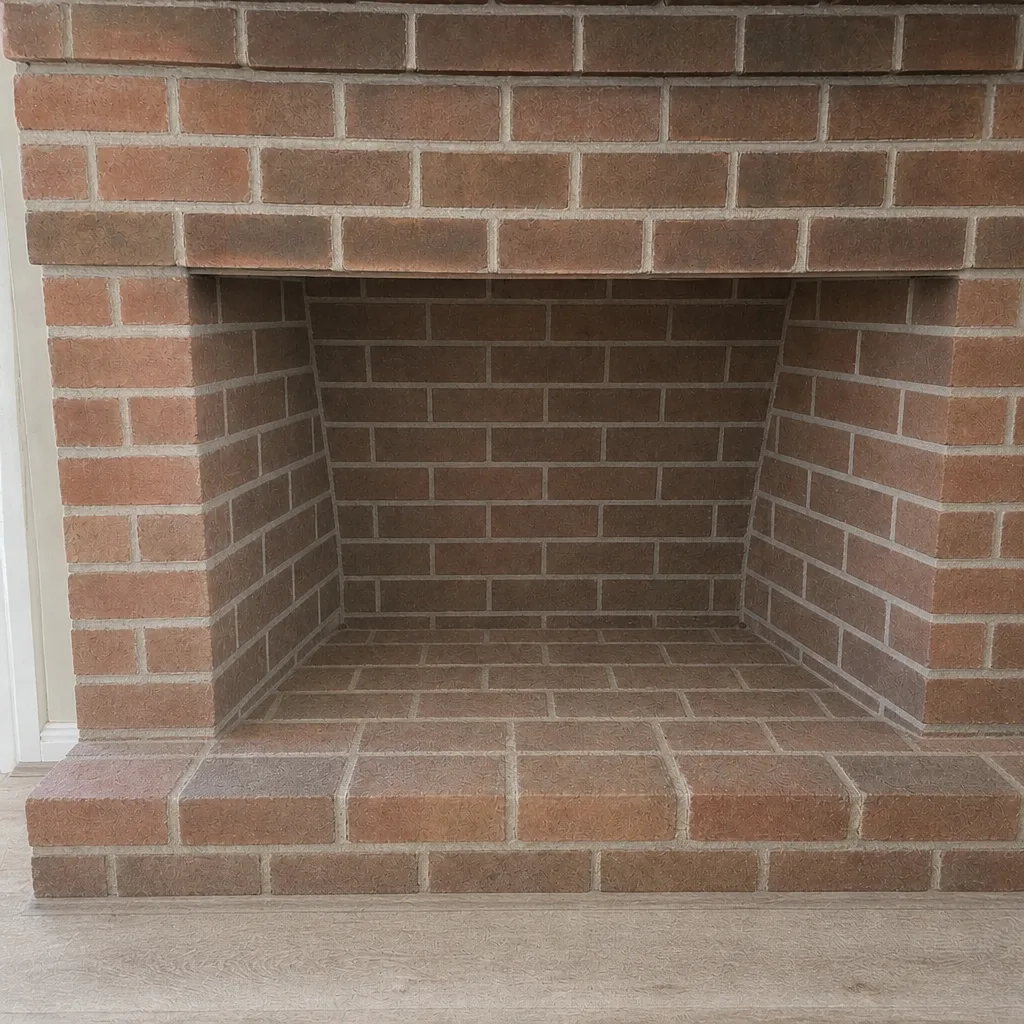
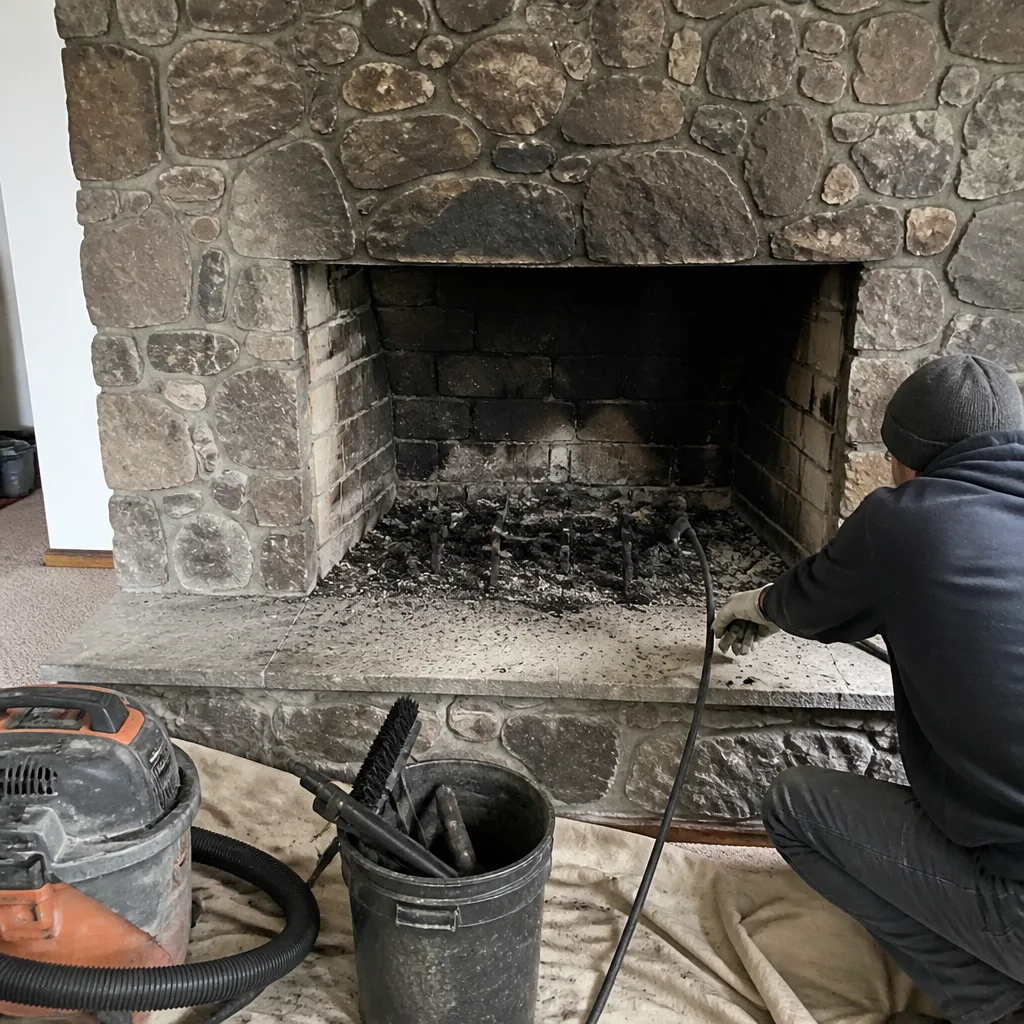
See the difference
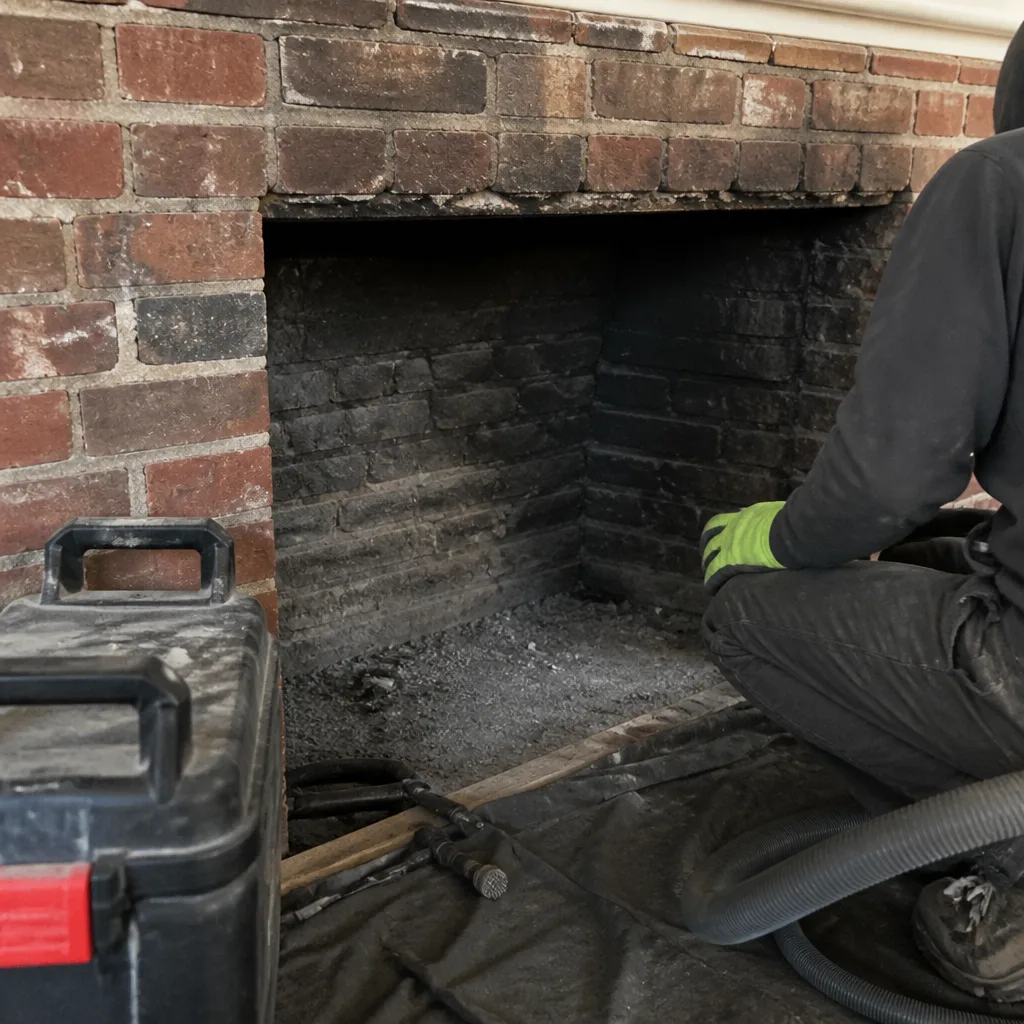 Before
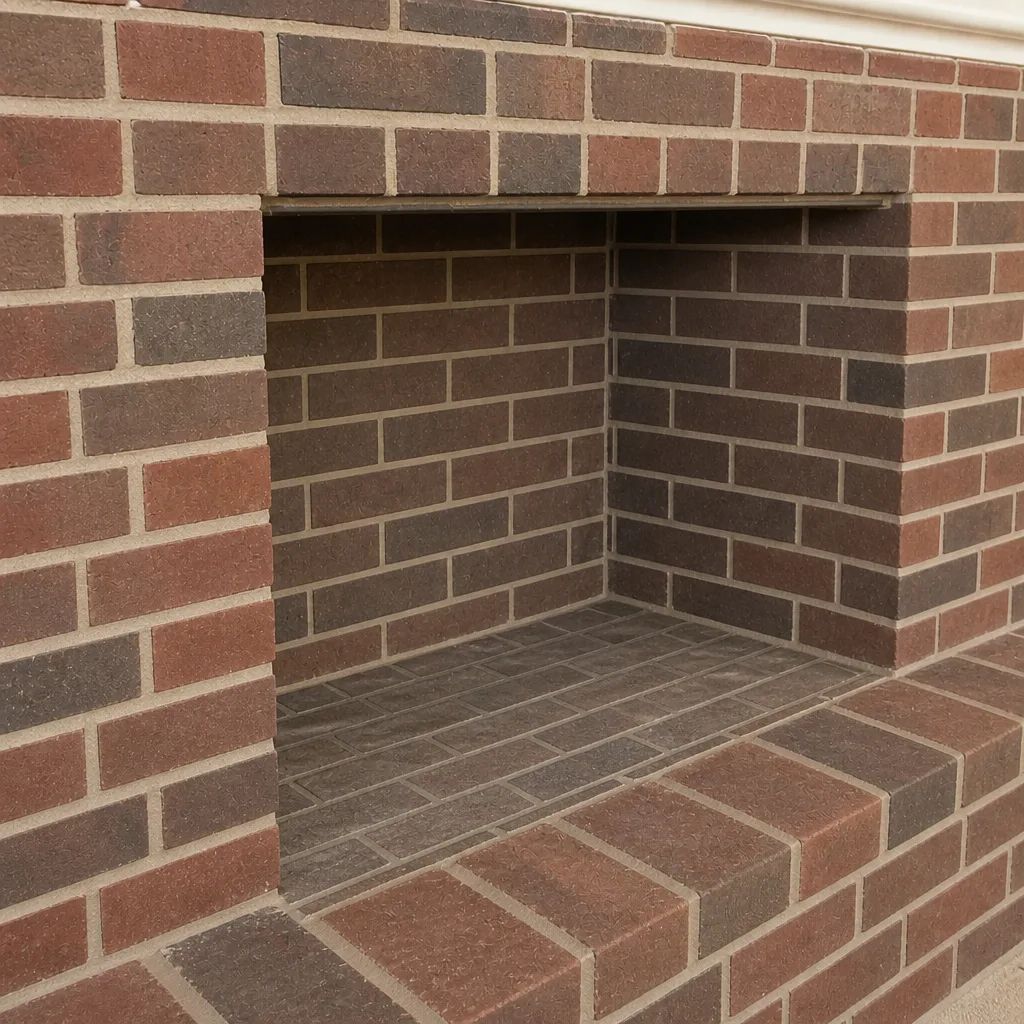 After
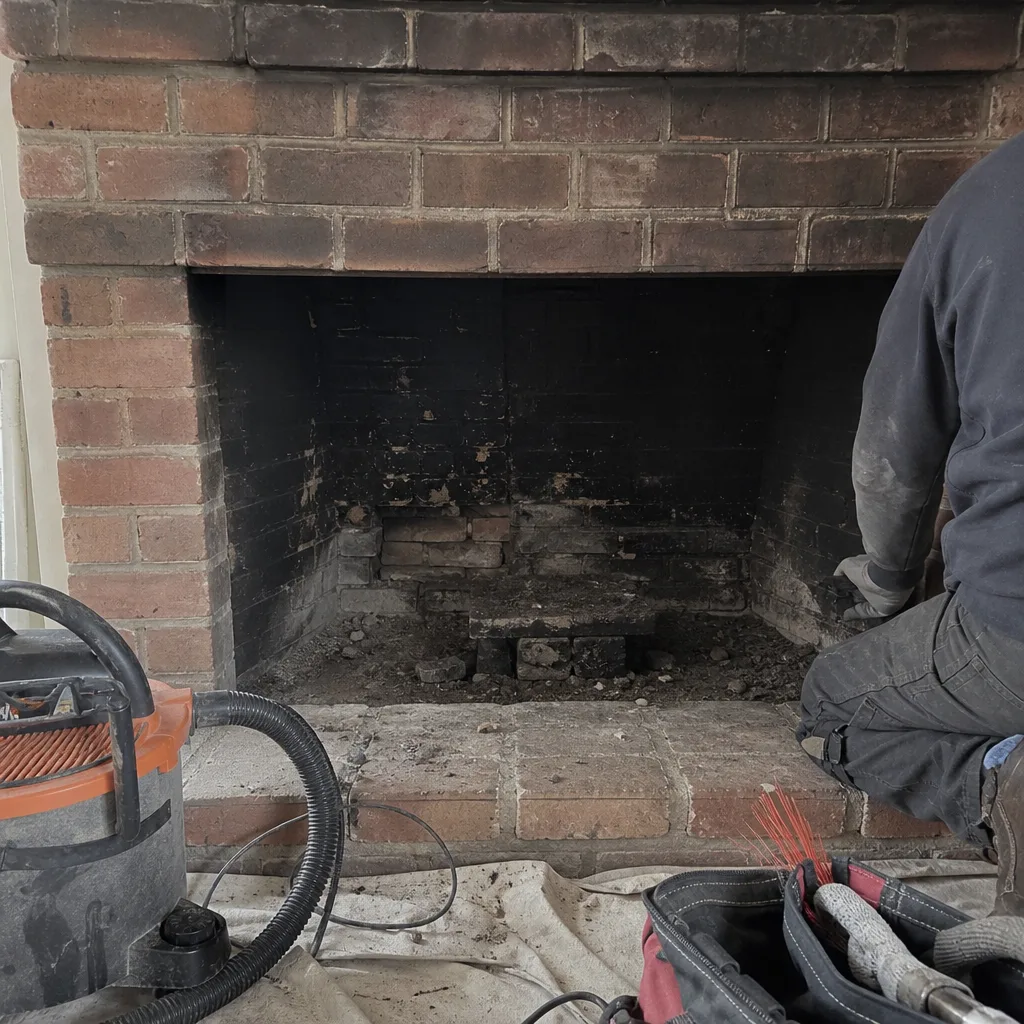 Before
 After
 Before
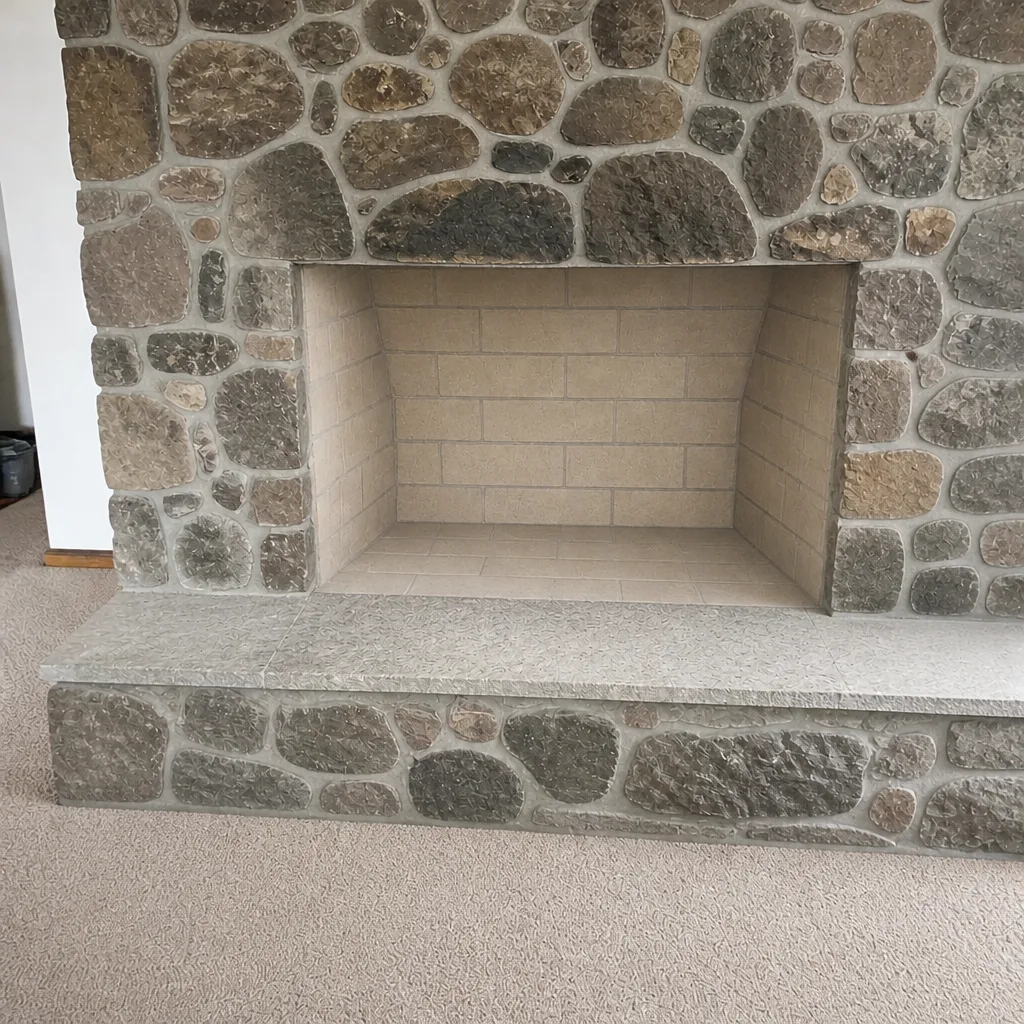 After
Does the Answer Change for Gas Fireplaces?
Gas fireplaces need different attention than wood-burning ones, and DIY cleaning is almost never the right call for them. A wood flue’s main problem is creosote. A gas flue’s main problem is corrosion, condensation, and debris from a different source, all of which need inspection, not brushing.
Gas appliances put moisture and mild acidity into the flue. That’s a mix that deteriorates metal liners quietly. A homeowner can’t see the liner interior, and the visible flame tells you nothing about what’s happening above the damper. Annual inspection is the routine that catches liner deterioration and venting issues before they affect how the fireplace operates.
We handle both wood-burning and gas fireplace assessments. If you’re not sure which category your setup falls into, that’s the conversation to have before you decide to clean it yourself. South Hill has a mix of both, and the right answer isn’t the same for each.
Common Mistakes to Avoid
- Brushing creosote you haven’t identified. If you can’t tell whether the deposit is stage one or stage three, brushing can harden the glaze and make the next professional visit harder. Identify first, brush second.
- Skipping the top inspection. Sweeping from the firebox up without looking down from the crown can push debris into a jam it didn’t have. Look from both ends.
- Using too stiff a brush on clay tiles. Older clay flues can have hairline cracks that a stiff brush can widen. Softer poly brushes are the safer choice on an unverified flue.
- Sweeping but not checking the crown. The crown is where most water damage starts. A brush never visits it, and water intrusion is the leading cause of long-term chimney damage.
- Assuming a clean-looking firebox means a clean flue. The smoke chamber and the upper flue can carry heavy deposits while the firebox looks tidy. The eye test is not a flue inspection.
- Cleaning after the chimney fire instead of before. If there’s been a fire you didn’t see, the interior is already compromised. A professional inspection is the first step, not a sweep.
- Doing roof work on a steep or icy pitch. A chimney sweep is not worth a fall. If the roof isn’t safe, that’s the end of the DIY conversation, regardless of how clean the flue looks.
When to Call a Professional
Call a professional when any of the following applies: you can’t see or reach the smoke chamber, your roof pitch or height makes access risky, you’re seeing glazed or tar-like deposits, you haven’t had the flue inspected in several seasons, or you’ve had any chimney fire recently. The same goes for gas appliance setups and for any flue with visible cracks in the tile or missing mortar at the crown.
South Hill Chimney Sweep offers free estimates in South Hill and provides a written photo report with every visit. We work with recognized brands including DuraFlex, HeatShield, Gelco, and Copperfield, and we can connect you with independent local professionals who are licensed and insured as their state requires. If the estimate is the hurdle for you, it shouldn’t be: the number is in writing before anything is booked. Call (833) 509-5329 for a free estimate. We answer 24/7. Fast dispatch from 7am to 7pm, Sunday through Friday.
Frequently Asked Questions
It’s OK when your flue is straight, accessible, and the visible creosote is stage one, which is soft and flaky. It’s not OK when you can’t see the smoke chamber or the deposits look glazed, since brushing stage-three creosote can make it harder instead of cleaner. If you’re unsure which case you’re in, that uncertainty is the answer. Call (833) 509-5329 for a free estimate and we can talk you through what you’re seeing.
Most wood-burning chimneys in South Hill benefit from annual cleaning and inspection, and chimneys with heavy use should be looked at at least once per burning season. The inspection matters as much as the sweep. It’s the record of crown, cap, and liner condition that tells you what maintenance is actually needed. Call (833) 509-5329 for a free estimate.
Skipping the annual sweep lets creosote build toward the glazed, fire-risk stage and hides liner and crown problems long enough to escalate. Carbon monoxide and fire risk both rise as deposits thicken, and the repairs that follow a preventable fire cost far more than the sweep. Nothing is recommended without camera evidence you can see for yourself. Call (833) 509-5329 for a free estimate.
A liner is a genuine repair when the flue tiles are cracked or missing and the camera shows it. It’s an upsell when there’s no evidence. Ask to see the camera footage and the stills from your own flue before committing to any relining work, and be suspicious of anyone who won’t show them. HeatShield resurfacing and DuraFlex flexible liner systems are the standard fix for specific conditions, not general add-ons. Call (833) 509-5329 for a free estimate.
It can if a fire follows DIY cleaning and the claim is investigated for maintenance. Most policies expect reasonable annual cleaning, and a written inspection record is the cleanest way to show the flue’s condition before the burning season. A brush purchase isn’t a service record. Call (833) 509-5329 for a free estimate.
Yes, if the estimate includes a photo report and a flat price agreed before booking. Our sweep includes camera inspection and a written photo report, so you see the same evidence we do. If a repair can safely wait, we tell you that too. Call (833) 509-5329 for a free estimate.
The Bottom Line
DIY chimney cleaning is honest maintenance on a straight flue with stage-one creosote, and it’s the wrong tool for everything else. The line is whether you can identify your flue and creosote stage before you start, not whether you’re capable with a brush. A professional sweep in South Hill gives you the camera inspection, the written report, and the confirmation that your flue is safe for the burning season, and it tells you honestly when work can wait. For the chimney you can’t fully see, that inspection is the whole reason to call. For the flue you maintain every year, DIY is fine and we’ll tell you so.
South Hill Chimney Sweep covers sweep, inspection, chimney repair, fireplace repair, and cap and crown work, with products from recognized brands including DuraFlex, HeatShield, Gelco, Olympia Chimney, Famco, and Copperfield. If you’re ready to book a chimney sweep or just want an honest read on whether your own routine is enough, call (833) 509-5329 for a free estimate. We answer 24/7. Fast dispatch from 7am to 7pm, Sunday through Friday. More on the full range of South Hill Chimney Sweep services is available on the main page.
Written by the team at South Hill Chimney Sweep.