
Last updated November 25, 2026
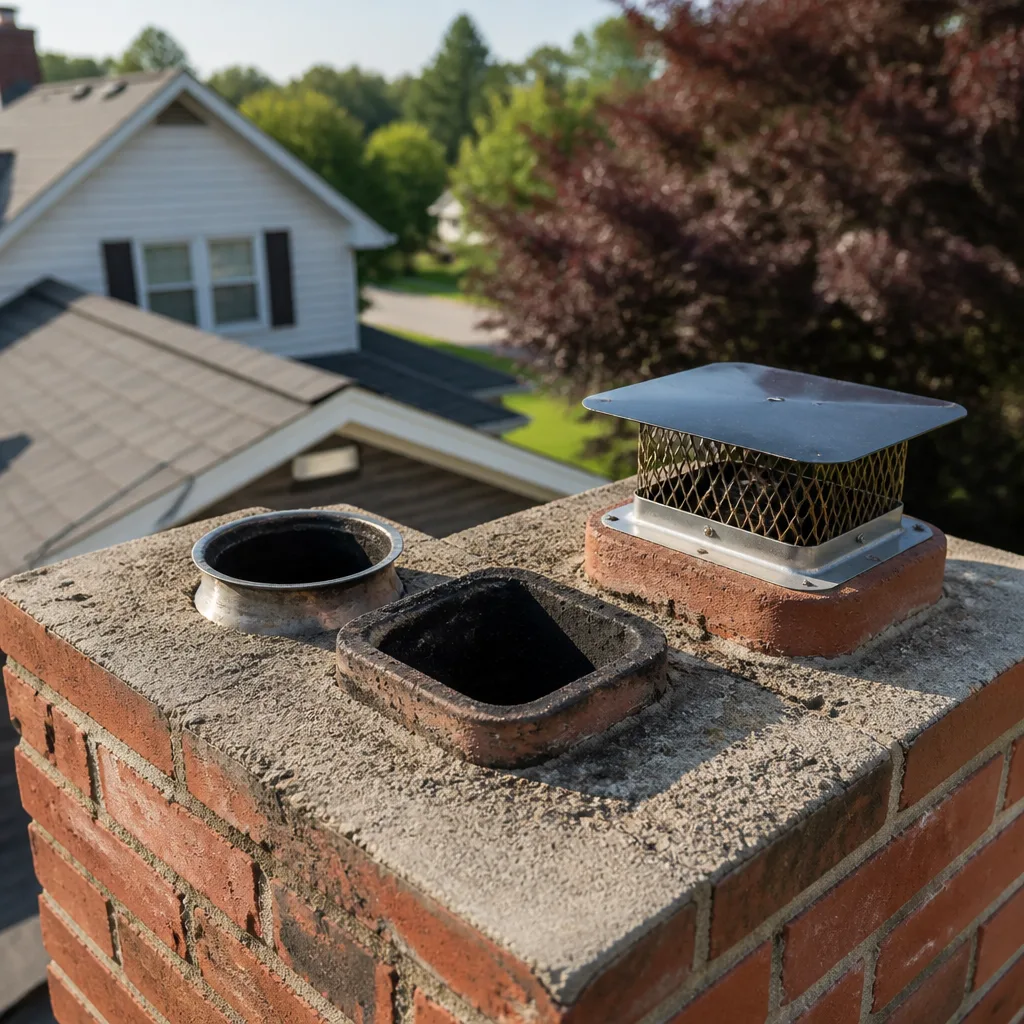 Sweep & inspection
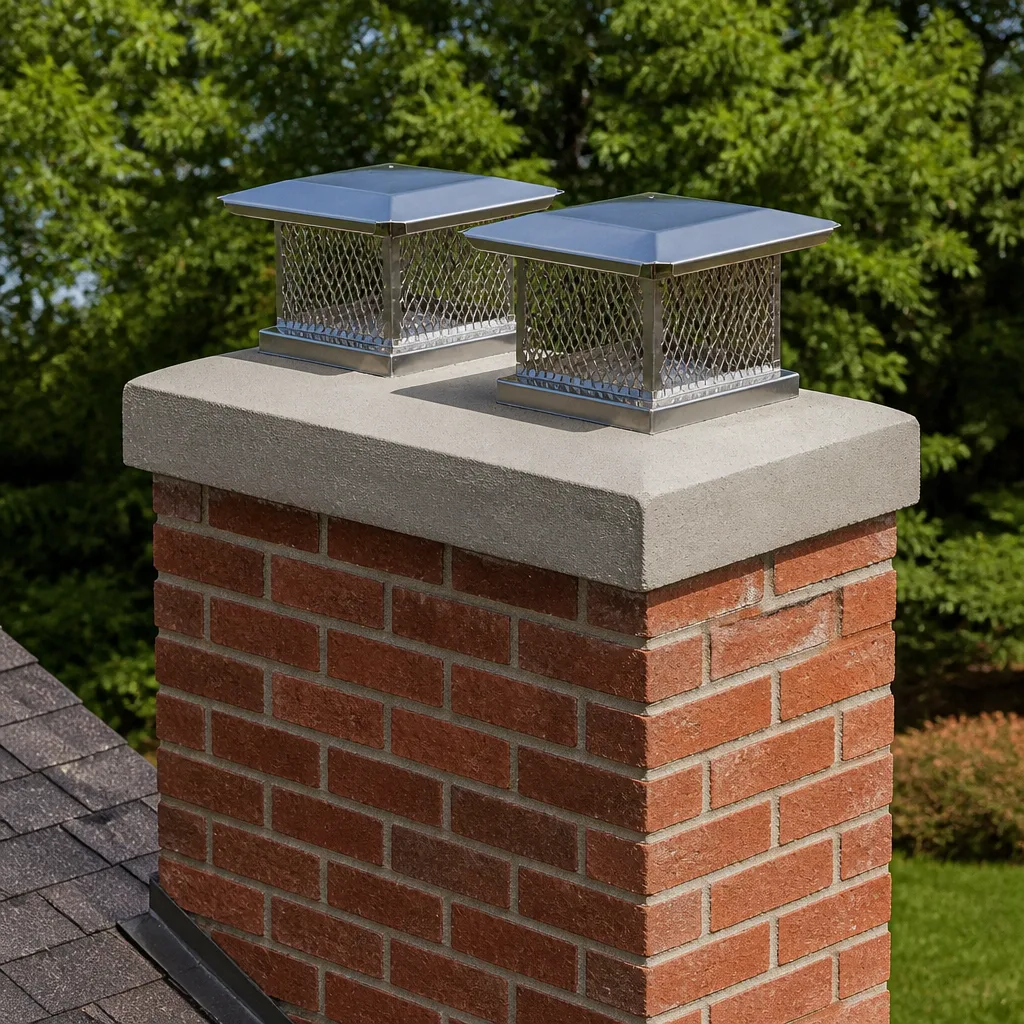 Caps & crowns
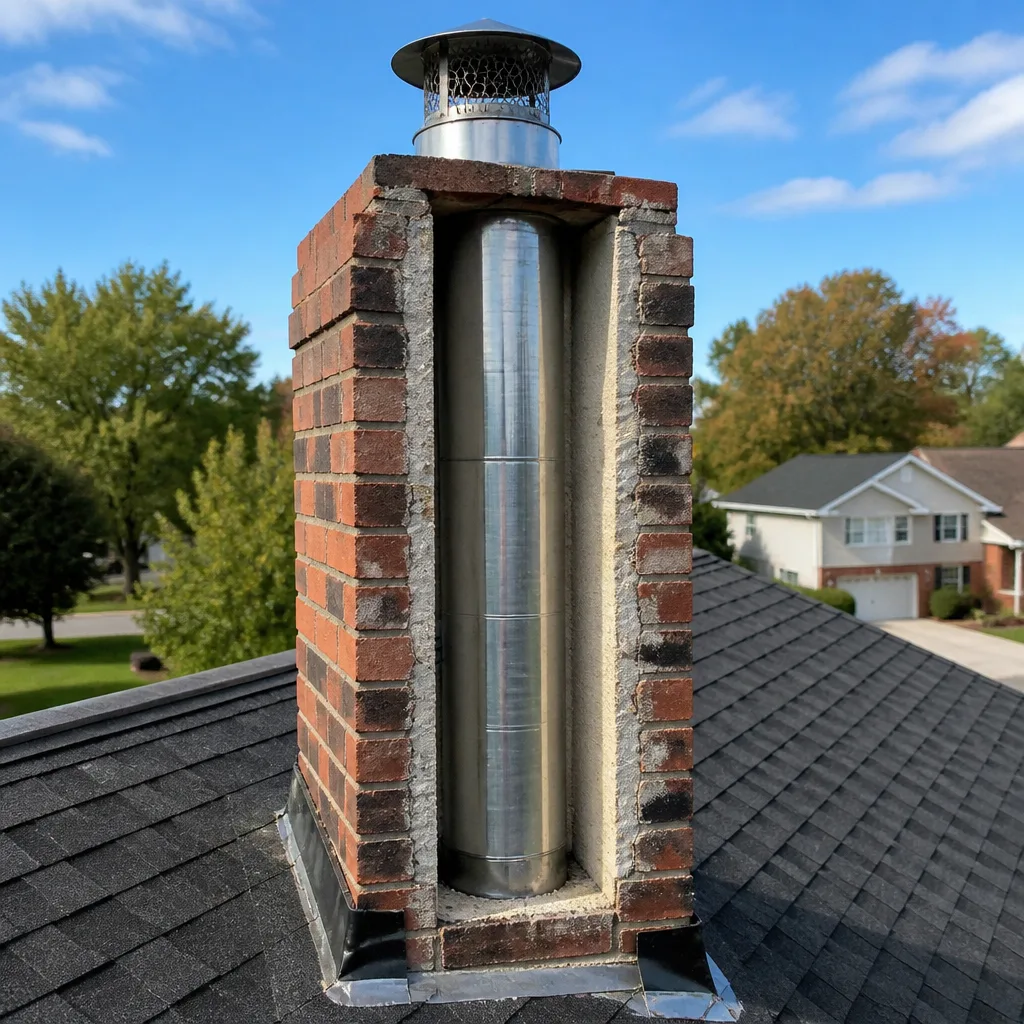 Flue relining
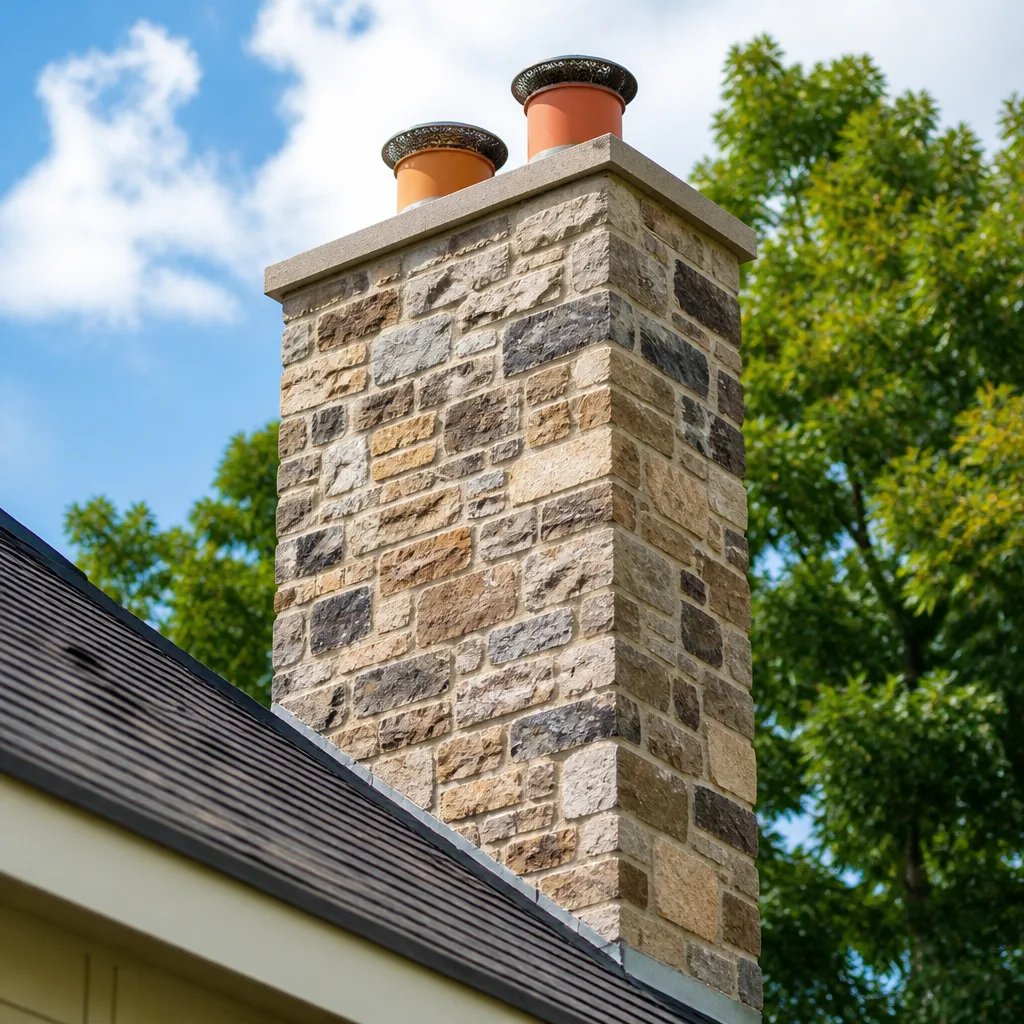 Masonry repair
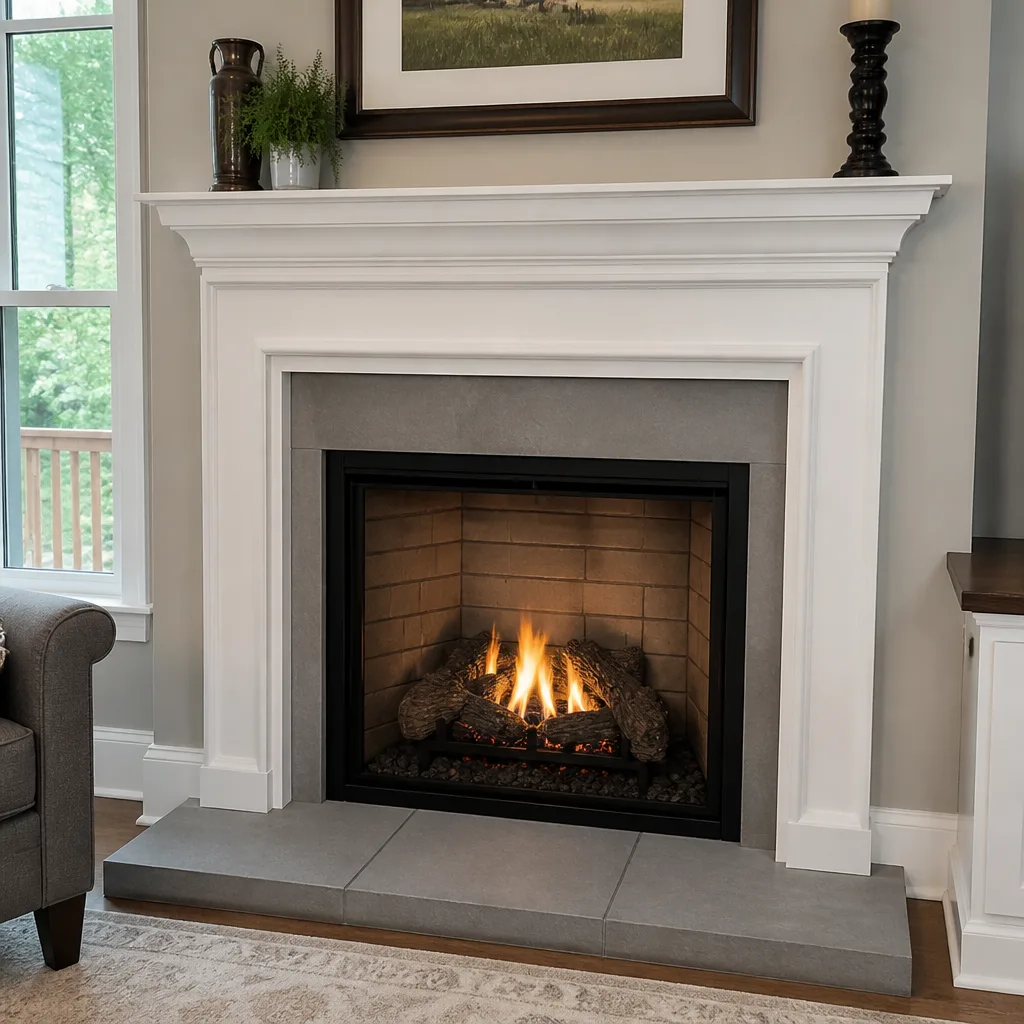 Gas fireplace service
Level 1 sweep and inspection to the NFPA 211 annual standard - flue, crown, cap, and flashing checked and photographed
Chimney sweep logs do not sweep chimneys. They loosen some creosote - which then falls where a brush and vacuum still have to collect it.
The Complete Guide to Chimney Cleaning in South Hill
Most chimney fires don’t start during a roaring December fire. They start in January, after weeks of low, smoldering burns that coat the flue with stage-two creosote nobody swept out. That’s the part national chimney guides get wrong: they describe an average American fireplace in an average American climate, and South Hill isn’t average. Our wet winters, our burn habits, and the mixed softwood-and-hardwood loads that go into local fireboxes create a creosote profile that behaves differently than what a dry-climate guide prepares you for. This guide maps the whole process to South Hill’s actual conditions. You’ll learn how cleaning works here, what a real visit includes, how to read an inspection report, and when a clean chimney still isn’t a safe one.
Quick Answer
Chimney cleaning in South Hill means removing creosote, soot, and debris from the flue and firebox, then inspecting the full system from the firebox to the crown to confirm it’s safe to burn. Most homes here need a sweep once a year, but the wet Pacific Northwest climate and mixed Douglas fir and alder burning can push creosote buildup faster than drier regions. A proper visit includes a Level 1 inspection and a report of what was found, not just a brush down the flue.
Styles & brands we work with
- Sweep & inspection
- Caps & crowns
- Flue relining
- Masonry repair
- Gas fireplace service
Table of Contents
- Why South Hill Chimneys Age Differently
- How Pacific Northwest Moisture Changes Creosote
- Douglas Fir, Alder, and What You Burn
- What a Full Cleaning Visit Actually Includes
- How to Read a Level 1 Inspection Report
- Clean vs. Safe: Why They Aren’t the Same
- How Often Should You Schedule a Sweep?
- Common Mistakes to Avoid
- When to Call a Professional
- Frequently Asked Questions
Why South Hill Chimneys Age Differently
South Hill sits in a climate that spends much of the year damp, cool, and gray, and that shapes how a chimney wears. The freeze-thaw cycle around the edges of winter works on mortar joints and crowns. Long stretches of rain test every flashing and cap. And the shoulder seasons, when it’s chilly enough to burn but not cold enough to burn hot, are exactly the conditions that build creosote slowly and quietly.
Chimneys here also tend to be part of older housing stock, where masonry flues were built to original code and have absorbed decades of weather. That doesn’t mean every South Hill chimney is failing. It means the top of the system, the crown and cap, takes more punishment here than in a dry climate, and water intrusion is the leading cause of long-term chimney structural damage. A cracked crown or a missing cap lets rain into the flue, and once masonry stays wet, it starts to spall and crumble.
That’s why we treat a South Hill cleaning visit as a full-system check. From the firebox to the crown, we handle the full system, because cleaning the flue while ignoring a failing crown just postpones the real problem. If you want the standalone service breakdown, our chimney sweep page covers what’s involved in the cleaning itself.
The local factors that matter most
- Wet winters drive water intrusion at the crown and cap, the most common structural issue we see.
- Freeze-thaw cycles open hairline cracks in mortar that widen over a few seasons.
- Long shoulder seasons encourage low, cool fires that build creosote instead of burning it off.
- Mixed fuel means flues see different residue from softwoods and hardwoods in the same season.
How Pacific Northwest Moisture Changes Creosote
Creosote forms in stages, and moisture is the accelerant. Stage one is a light, flaky soot that a brush lifts easily. Stage two is a crusty, flaky deposit that’s harder to remove and more combustible. Stage three is a glazed, tar-like coating that’s genuinely dangerous and often needs chemical treatment or mechanical removal beyond a standard brush. In a wet climate, wood that hasn’t been seasoned properly holds more moisture, and moist wood burns cooler, which pushes you toward the thicker stages faster.
This is the core reason generic national guides understate the problem here. A guide written for a dry climate assumes your firewood dries down to a low moisture content without much effort. In South Hill, wood stacked under a tarp or against a damp wall can sit at a moisture level that quietly sabotages every fire you light. Cool fires leave more unburned material behind, and that material accumulates in the flue.
How the staging works in practice
- Stage one (soot and flaky creosote): normal after a season of burning, easy to sweep, low risk.
- Stage two (crusty, flaky deposits): common after a wet season of cool burns, needs a careful sweep and a close look at the flue.
- Stage three (glazed, tar-like creosote): the dangerous stage, difficult to remove with a brush alone, and a real fire hazard that needs professional attention.
The takeaway is simple: in South Hill, the gap between a safe flue and a risky one can close faster than the calendar suggests. Burning dry, well-seasoned wood and getting an annual sweep are what keep you on the right side of that line.
Douglas Fir, Alder, and What You Burn
Talk to anyone who heats with wood around South Hill and you’ll hear two names: Douglas fir and alder. Both are common local fuels, and they behave differently in a firebox than the dense hardwoods that dry-climate guides assume. Douglas fir burns hot and fairly fast once it’s dry, but it’s a softwood and produces more creosote-forming residue than a seasoned hardwood. Alder is a hardwood, but a lighter one, and it dries reasonably well in local conditions.
Where homeowners get into trouble is mixing the two without paying attention to moisture. A load of damp fir burns cool and smolders, coating the flue. Then a hot alder fire the next week partially bakes that coating into something harder. Over a season, that pattern is exactly how a flue drifts from stage-one soot into stage-two creosote, the deposit most often behind the January fires nobody expected.
You don’t need to give up either wood. You do need to season it and store it dry. Cover the top of the stack, leave the sides open to airflow, and give split wood real drying time before it goes in the firebox. If your fire hisses, the wood is too wet.
What this means for cleaning frequency
- Fir-heavy burning tends to build residue faster, so an annual sweep is the floor, not a suggestion.
- Mixed fir and alder is common and fine, but it rewards attention to moisture content.
- Damp or unseasoned wood is the single biggest driver of faster creosote staging here.
- Occasional burning still needs a sweep, because a partly clogged flue is a risk regardless of how often you light it.
If you’re noticing a smoky firebox or a draft that’s gotten weaker, that’s often a sign the flue is restricted, and it’s worth having someone look at it before the season gets going.
What a Full Cleaning Visit Actually Includes
A brush-only discount sweep and a full cleaning visit are two different things, and the price gap usually tells you which one you’re getting. A brush-only sweep runs a brush down the flue and leaves. A full visit works the whole system and tells you what it found. Here’s what a proper South Hill cleaning should walk you through.
What a full visit covers, step by step
- Protect the room. Drop cloths and containment so soot and dust don’t migrate into your living space.
- Clear the firebox and flue. Remove ash, soot, and creosote with the right tools for the deposit stage we find.
- Inspect the full system. Firebox, damper, smoke chamber, flue, cap, and crown, with photos of anything that matters.
- Confirm draft and function. Make sure the flue is clear and the system draws the way it should.
- Report what we found. You get a plain-language explanation and a written estimate before any repair is discussed.
That fourth and fifth step are where a full visit earns its keep. A clean flue that drafts poorly, or a flue with a hairline crack in the smoke chamber, won’t show up in a brush-only sweep. We’ll tell you exactly what we found and what it means before we quote a single repair, and nothing gets recommended that you can’t see in the photos.
If your visit turns up a problem in the firebox itself, that’s where fireplace repair picks up. If it’s the flue or masonry, that’s chimney repair. Having one company cover the whole system means you’re not bounced between specialists.
How to Read a Level 1 Inspection Report
A Level 1 inspection is the standard check that comes with a routine cleaning. It covers the readily accessible parts of the system: the firebox, damper, smoke chamber, flue, and the top components you can see without special access. It doesn’t require a camera up the flue or opening up walls. Knowing what the technician is actually looking for helps you read the report like an adult, not a customer being sold something.
In our experience, three findings show up again and again in South Hill homes, and each means something different.
The three findings that matter most
- Creosote stage. The report should tell you what stage the deposit is at, because that determines whether a brush is enough or whether you need treatment. Stage three is the one to take seriously.
- Masonry and mortar condition. Crumbling mortar joints and cracks in the smoke chamber are common here because of the wet climate. The report should show you what’s cracked and how bad.
- Crown and cap condition. A cracked crown or missing cap lets water in, and water is the leading cause of structural damage. This is the top-of-system check that cleaning-only providers tend to skip.
A good report is specific. It tells you what was found, what it means, and whether it can wait. If a technician hands you a report that says “your liner needs replacement” with no photos and no explanation of what they saw, ask for both. You deserve to see the evidence before you spend money.
What the technician is looking for
Beyond the obvious cracks and buildup, a thorough inspection is checking for the things that don’t announce themselves: a liner that’s deteriorated but still standing, a smoke chamber with rough edges that catch creosote, a damper that no longer seals, and a flue sized wrong for the appliance. These are the conditions that make a chimney work less well than it should, and they’re worth knowing about early.
Clean vs. Safe: Why They Aren’t the Same
Here’s the distinction that separates a real chimney specialist from a generalist with a brush. A clean chimney has no creosote buildup. A safe chimney is one whose whole system is intact and working: sound liner, sealed crown, proper cap, functional damper, correct draft. You can have one without the other, and that gap is where problems hide.
A flue can be swept clean and still have a deteriorated liner that puts heat and gases where they don’t belong. A flue can look fine from the firebox and have a crown that’s been letting water in for two seasons, quietly spalling the masonry behind it. Cleaning addresses the creosote. Safety addresses the structure around it. That’s why we treat the two as one job rather than two services.
This is also where specialized repair capability matters. When we find a deteriorating flue interior, resurfacing with HeatShield can restore a liner without tearing out the chimney, and DuraFlex flexible liner systems allow code-compliant relining of older or damaged flues without full demolition. We use brands like these because they’re the professional standard, not the cheapest option, and because they let us solve the problem correctly the first time instead of patching it.
Where the risk hides
- A clean flue with a cracked liner can still let heat and gases reach combustible framing.
- A clean flue under a failing crown keeps taking on water every rain.
- A clean flue with a bad damper won’t draft or hold heat properly.
- A clean flue with the wrong cap invites animals, rain, and debris back in.
Chimney work done right the first time saves the cost of doing it twice. A sweep that ignores the structure is a sweep that leaves you guessing.
How Often Should You Schedule a Sweep?
Once a year is the standard answer, and it holds for most South Hill homes that burn regularly through the season. But the honest answer is that frequency depends on how you burn. Heavy fir burning, damp wood, and long shoulder-season smoldering all push you toward more frequent cleaning. Light, occasional burning of dry, seasoned wood can stretch it, but not indefinitely.
The timing matters as much as the frequency. A sweep before the season starts catches problems before you light the first fire and gives you time to fix what’s found. A sweep mid-season, after a couple months of steady burning, catches the stage-two buildup that the January fires tend to expose. If you’ve never had your chimney inspected, an inspection is the right place to start, and a cleaning can follow if it’s due.
A simple schedule that works for most homes
- Before the season: annual sweep and Level 1 inspection, with photos of anything flagged.
- Mid-season: a look at the flue if you’ve been burning heavily or burning damp wood.
- After the season: check the cap and crown for winter damage, and get repairs done in mild weather.
If you’ve moved into a South Hill home and don’t know the last time the chimney was swept, start with an inspection. It’s the liability check before you light your first fire of the season, and it tells you whether you’re starting from a clean slate or from someone else’s deferred maintenance.
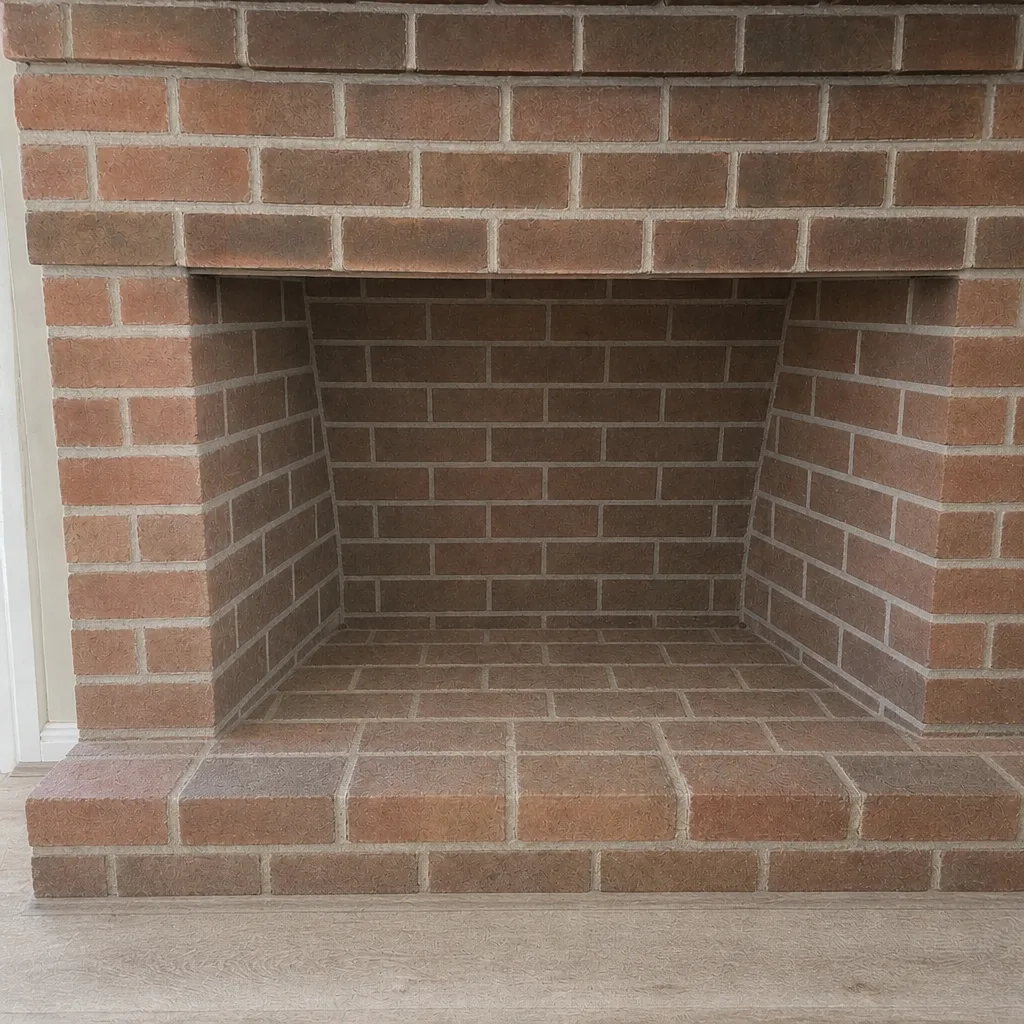
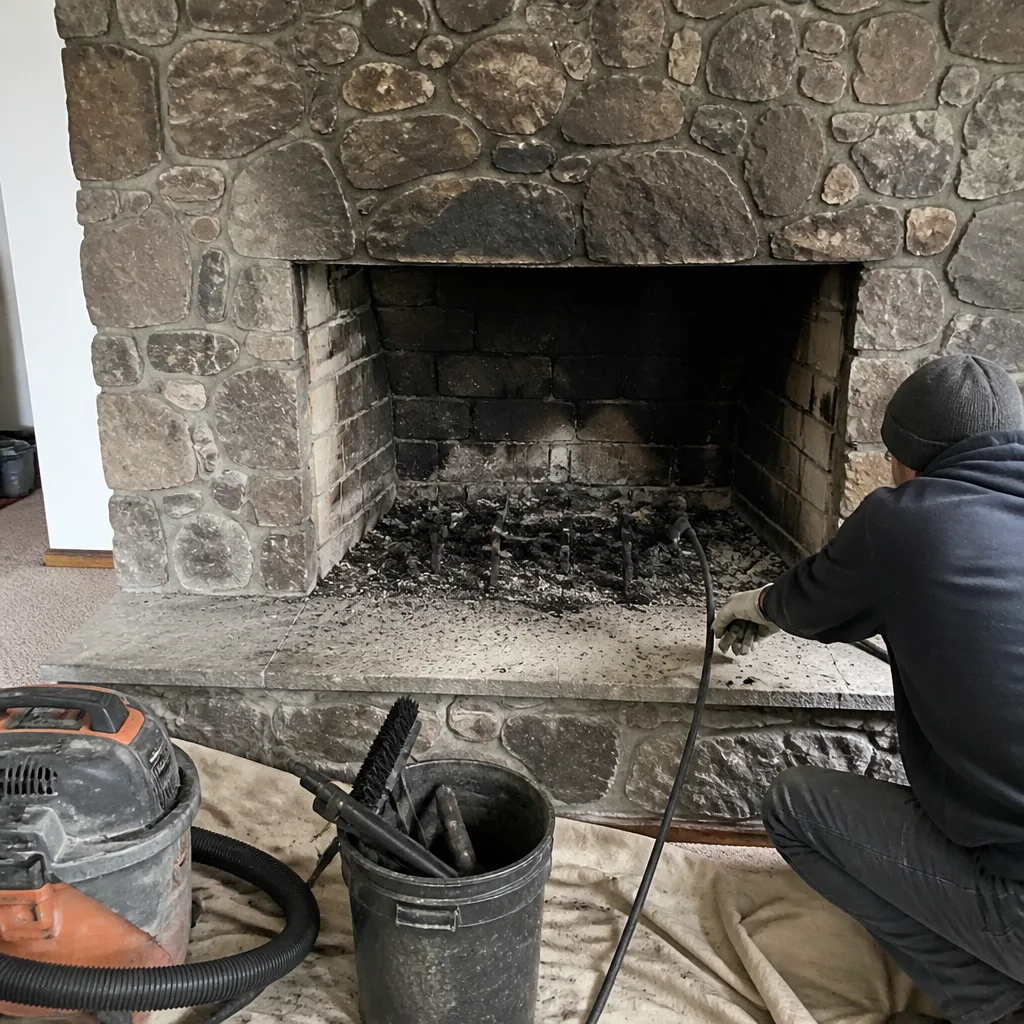
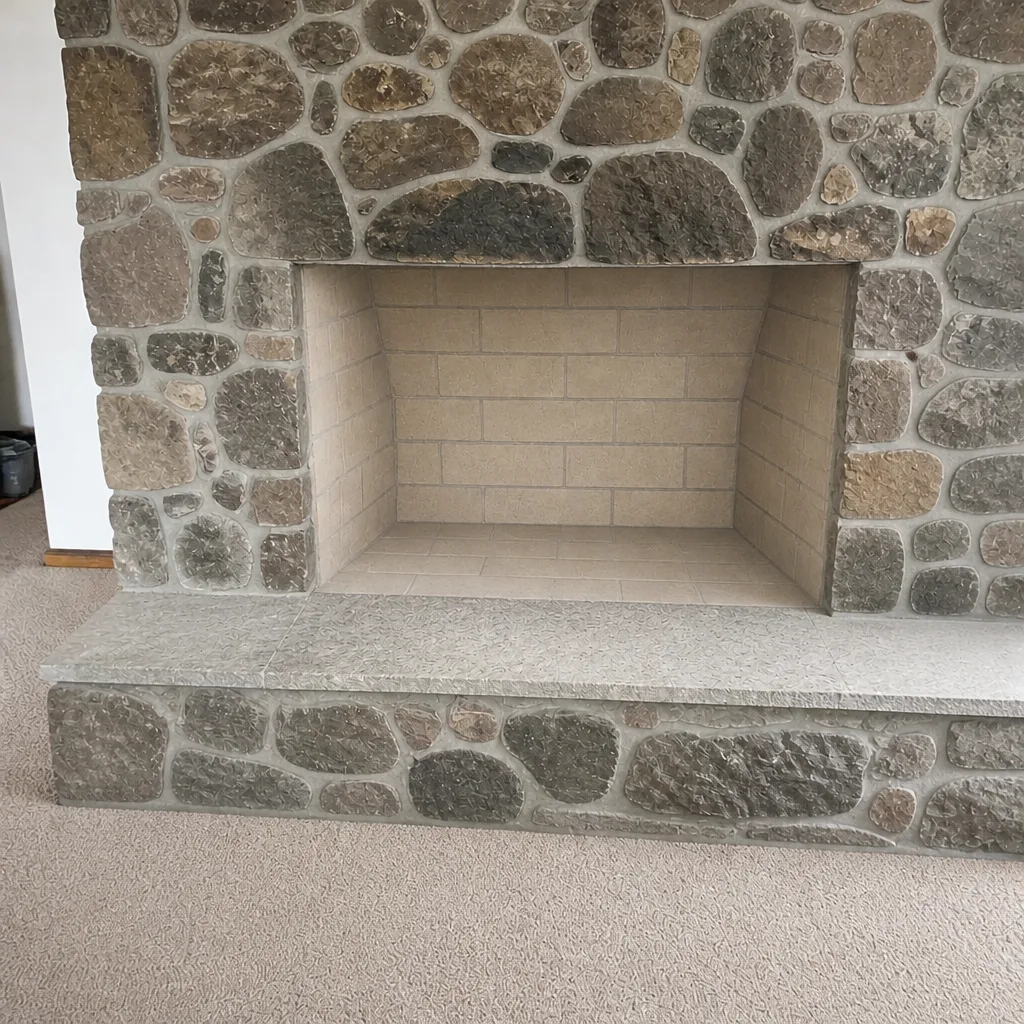
See the difference
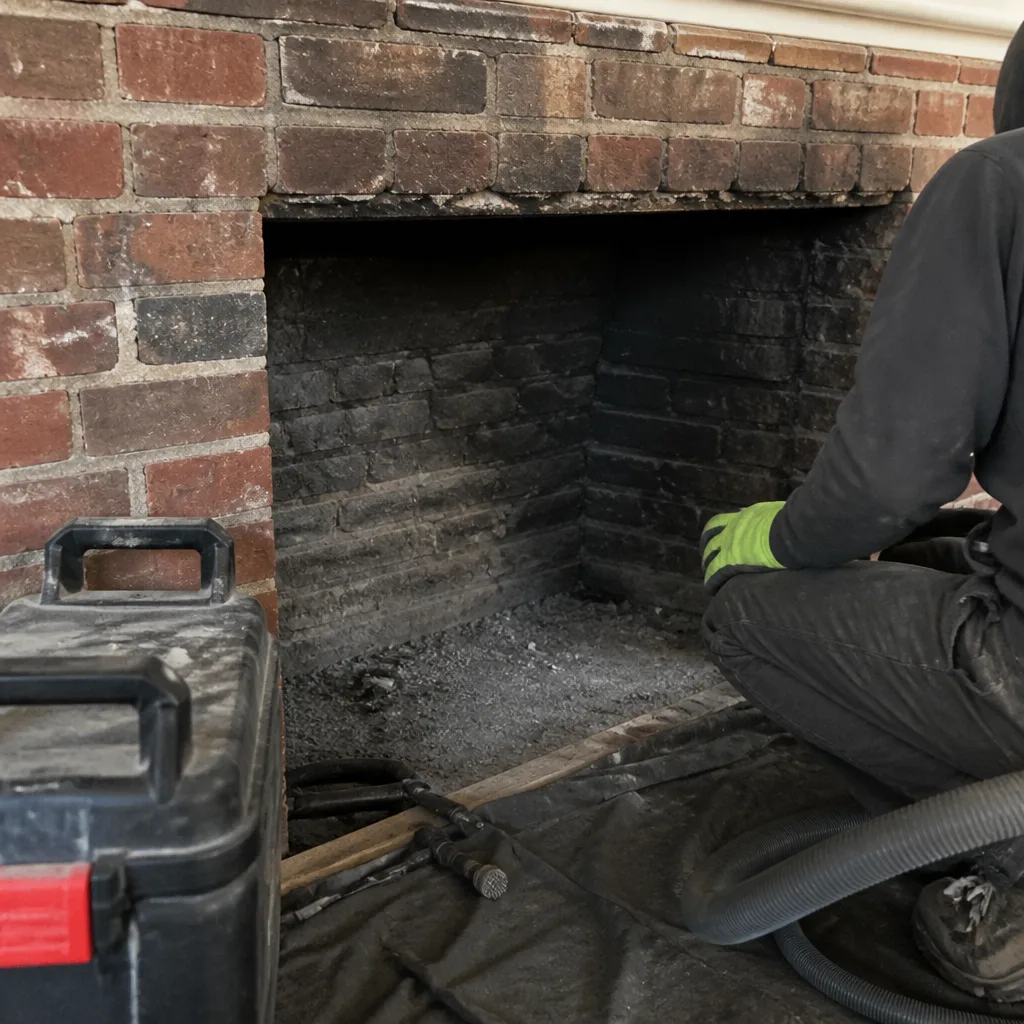 Before
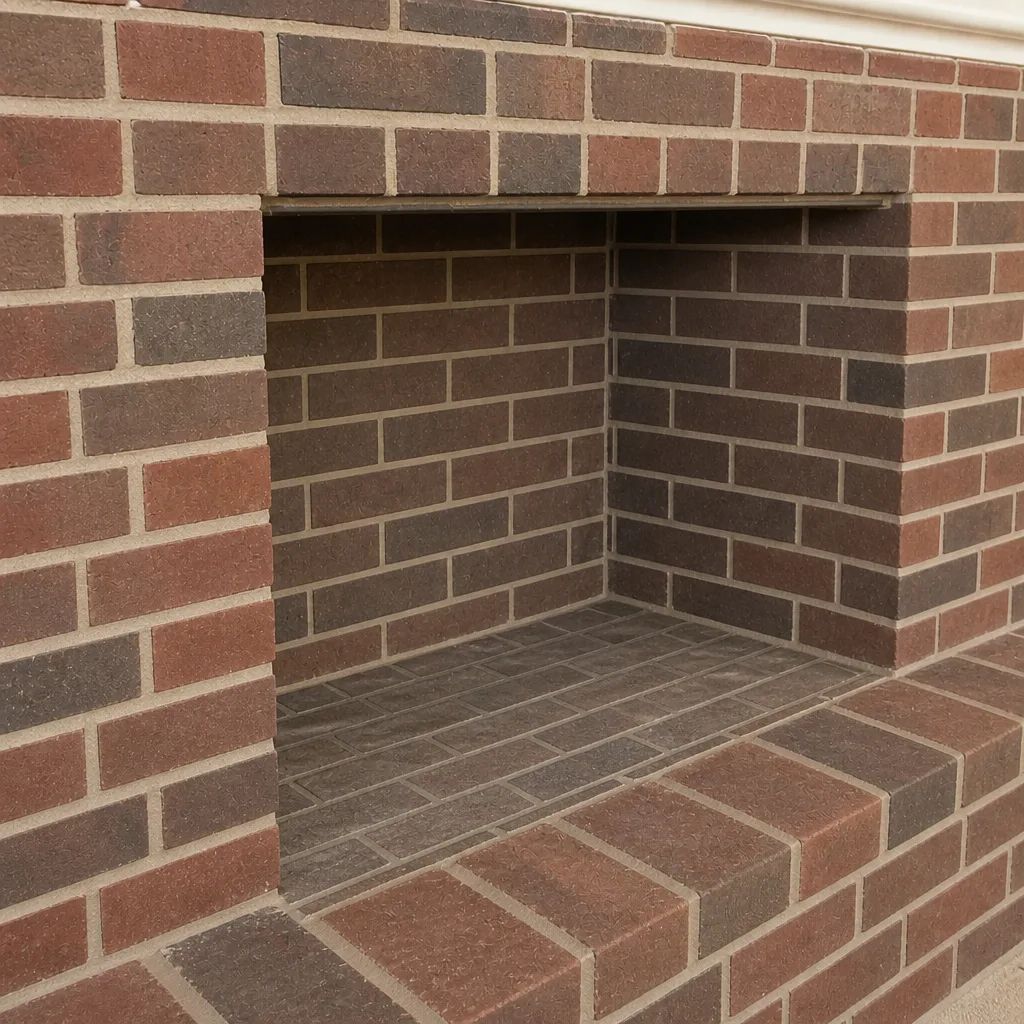 After
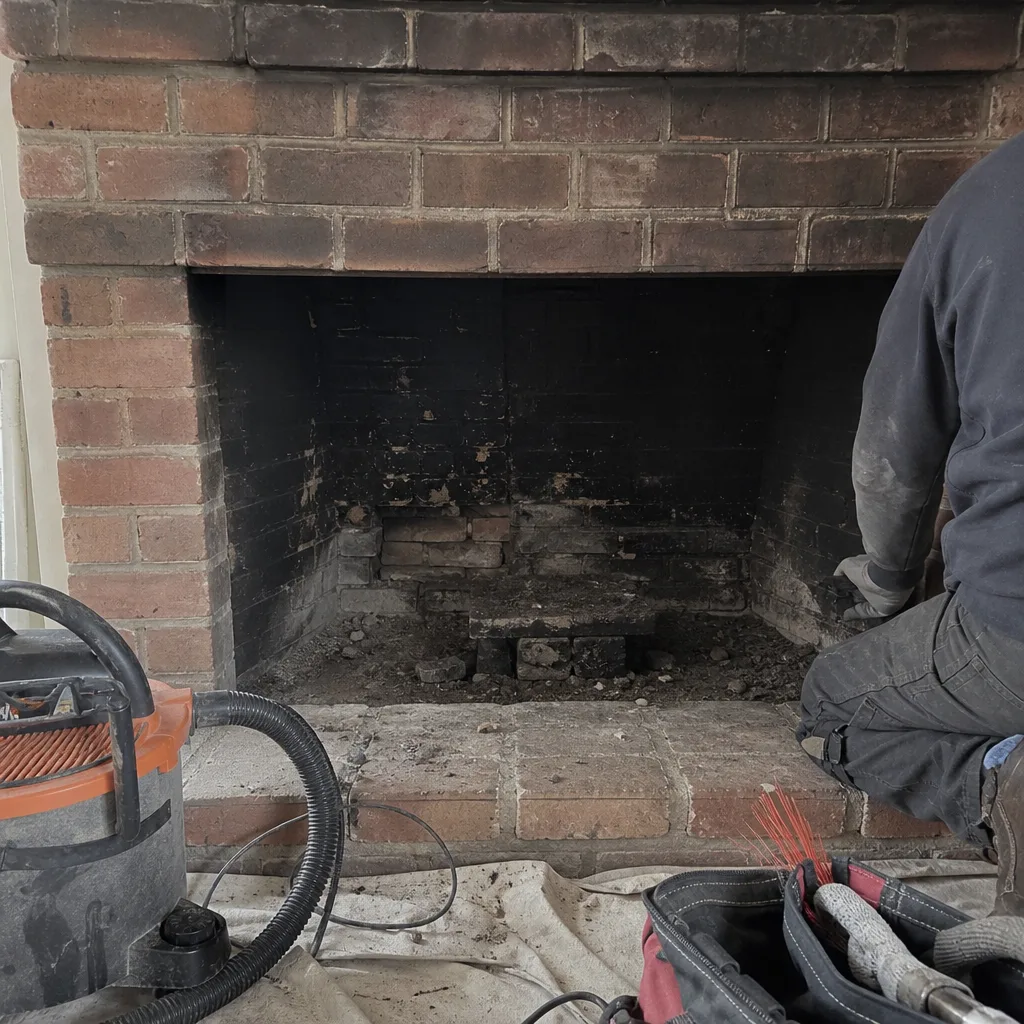 Before
 After
 Before
 After
Common Mistakes to Avoid
- Burning unseasoned wood. Damp fir and alder burn cool and push creosote toward the thicker stages faster. Season it and store it dry before it goes in the firebox.
- Treating a brush-only sweep as a full cleaning. A brush down the flue without an inspection leaves structural problems unseen. Insist on a full-system check.
- Ignoring the crown and cap. In South Hill’s wet climate, water intrusion is the leading cause of long-term structural damage. A cracked crown is a bigger problem than a dirty flue.
- Relighting after a chimney fire without an inspection. A fire can crack a liner or warp a damper without obvious outside signs. Get it looked at before you burn again.
- Skipping the annual sweep because the fire “looks fine.” A flue can be partially restricted and still draw. You won’t see the buildup until it’s a problem.
- Letting a generalist handle specialist repair. Liner resurfacing and relining are specialist work. A handyman brush isn’t the right tool for a structural fix.
- Ignoring a smoky firebox. A fire that smokes into the room is often a draft or restriction problem, not a wood problem. Have it checked.
When to Call a Professional
Call a professional when you’ve had a chimney fire, when you notice crumbling mortar or a stained crown, when your fire smokes into the room, or when it’s simply been a year or more since the last sweep. Call sooner if you smell a strong creosote odor on warm days, which often signals heavy buildup. High-tension work like liner repair and structural crown repair is not a DIY job; a trained professional should handle anything beyond the cleaning itself.
South Hill Chimney Sweep offers free estimates in South Hill. Call (833) 509-5329. We answer 24/7. Fast dispatch from 7am to 7pm, Sunday through Friday. You’ll get a flat price and a written estimate before any work begins, and nothing gets recommended that you can’t see in the inspection photos.
Frequently Asked Questions
A chimney cleaning in South Hill typically runs in the low-to-mid hundreds for a standard sweep with a Level 1 inspection, and more if the flue needs treatment for heavy creosote or if repairs are found. The written estimate sets the final price, and the estimate itself is free. Call (833) 509-5329 for an exact quote.
Once a year for most homes that burn regularly, and more often if you burn heavy fir or damp wood. The wet climate and mixed softwood burning here can push creosote staging faster than drier regions. A pre-season sweep and inspection is the safest baseline. Call (833) 509-5329 to book yours.
Only if the inspection shows the existing liner is deteriorated or unsafe. Sometimes resurfacing with HeatShield restores a flue without a full replacement, and sometimes a DuraFlex flexible liner is the right fix for an older flue. You shouldn’t accept a liner recommendation without photos of the actual condition. Call (833) 509-5329 and we’ll show you what we found first.
Creosote keeps building, and stage-two or stage-three deposits are the fuel behind most chimney fires. A restricted flue can also cause carbon monoxide to back up into the home, because the system stops venting the way it should. Skipping a sweep isn’t a money saver; it’s deferred risk. Call (833) 509-5329 for a free estimate.
A cleaning removes creosote and debris from the flue and firebox. An inspection assesses the structural and safety condition of the whole system, from firebox to crown. You need both, and a full visit does both together so nothing gets missed. Call (833) 509-5329 to schedule a full visit.
Yes. Crown and cap work protects the top of the chimney system from water intrusion, the leading cause of long-term structural damage. A cracked crown or missing cap is a repair, not a cleaning issue, and it’s worth fixing before the next wet season. Call (833) 509-5329 for a free estimate.
The Bottom Line
Chimney cleaning in South Hill isn’t a generic annual chore. The wet climate, the fir-and-alder burn habits, and the age of local masonry all shape how fast creosote stages and how quickly a small crown crack becomes a structural problem. A full-system visit, with a sweep and a Level 1 inspection and photos of what was found, is what keeps a clean chimney a safe one. If it’s been a year or longer, or you’ve noticed anything that worries you, get it looked at before the season. South Hill Chimney Sweep covers the full system in one company, with a flat price agreed before booking, and a satisfaction guarantee behind the work.
Call South Hill Chimney Sweep at (833) 509-5329 for a free estimate. We answer 24/7. Fast dispatch from 7am to 7pm, Sunday through Friday.
Written by the team at South Hill Chimney Sweep.