
Last updated November 25, 2026
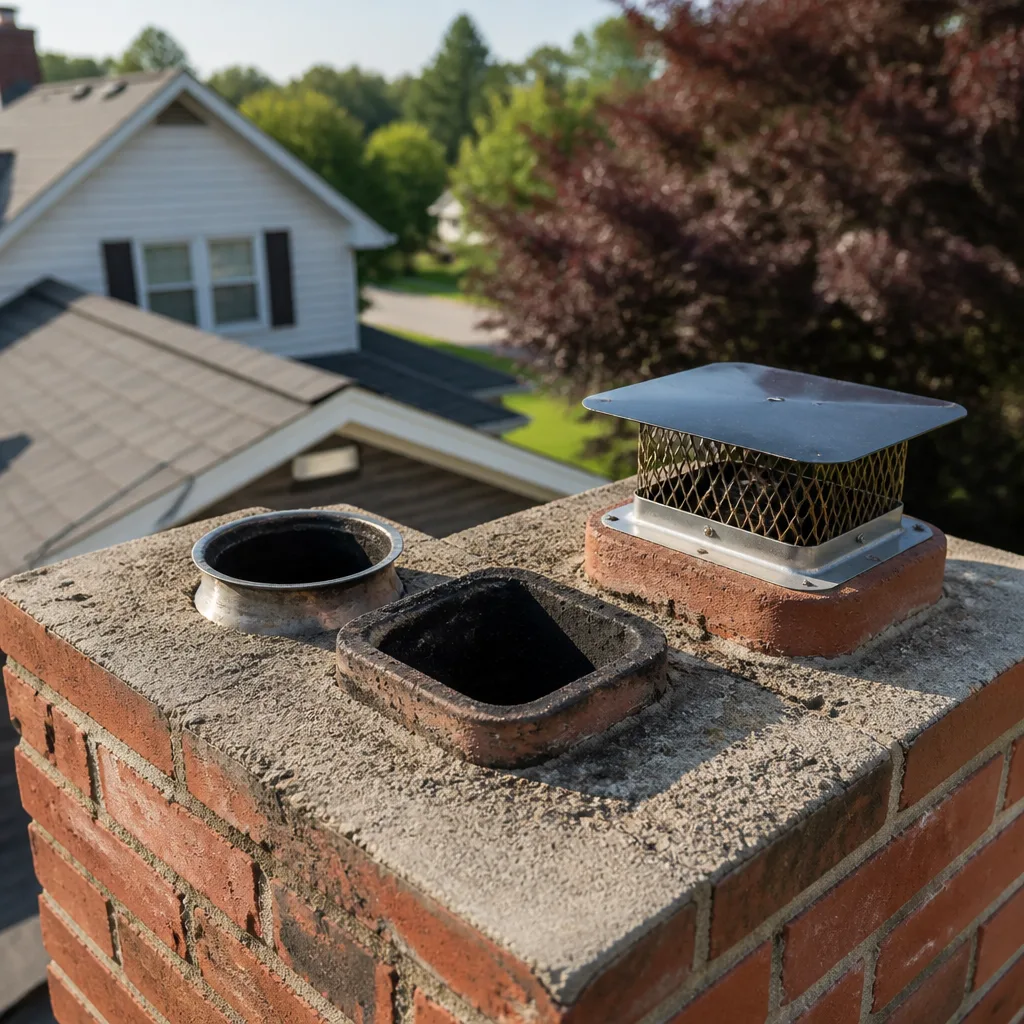 Sweep & inspection
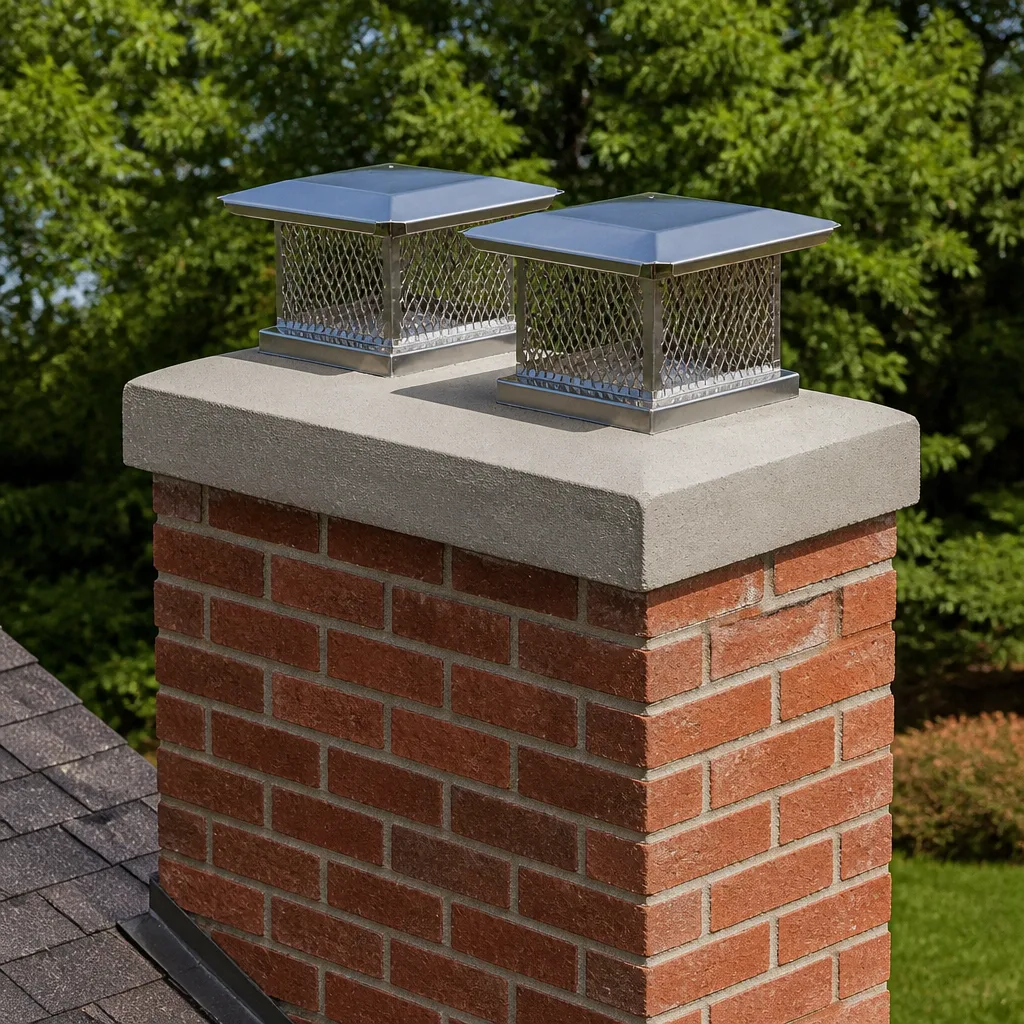 Caps & crowns
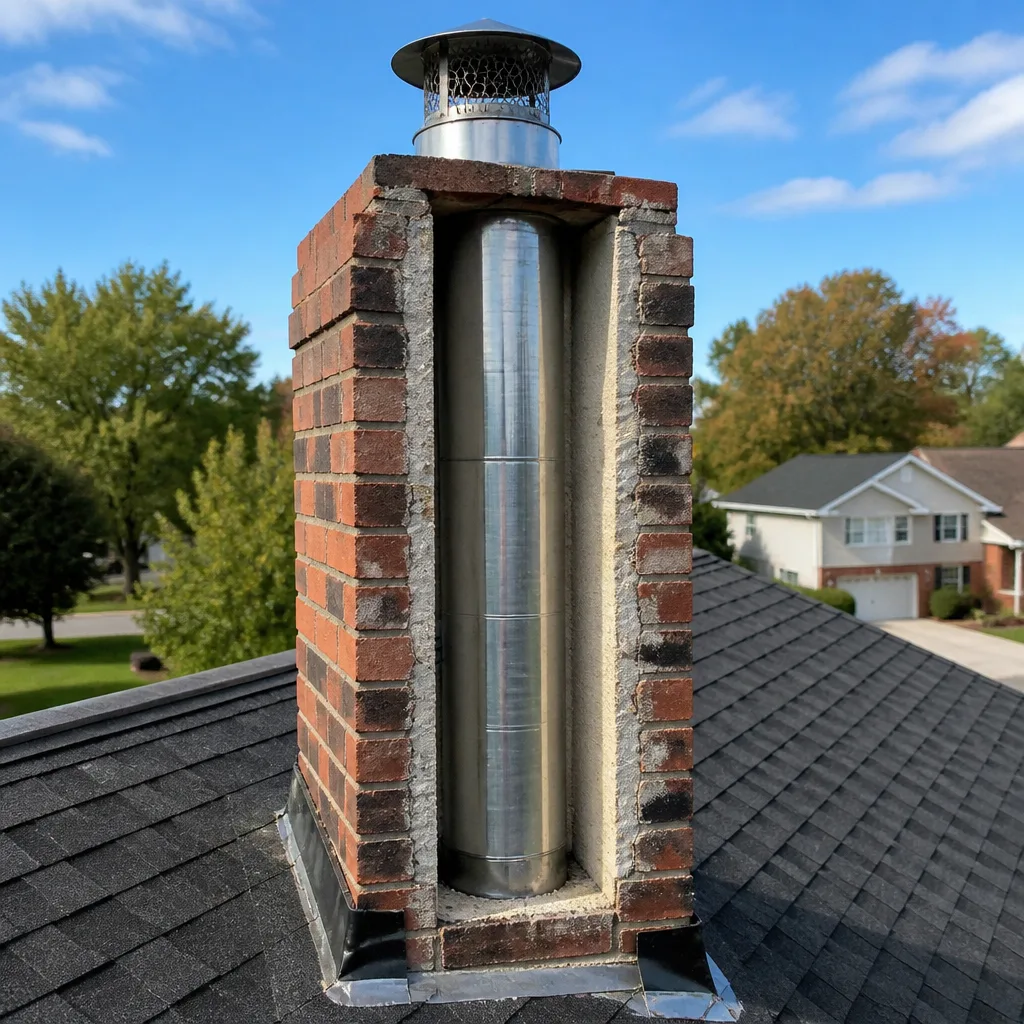 Flue relining
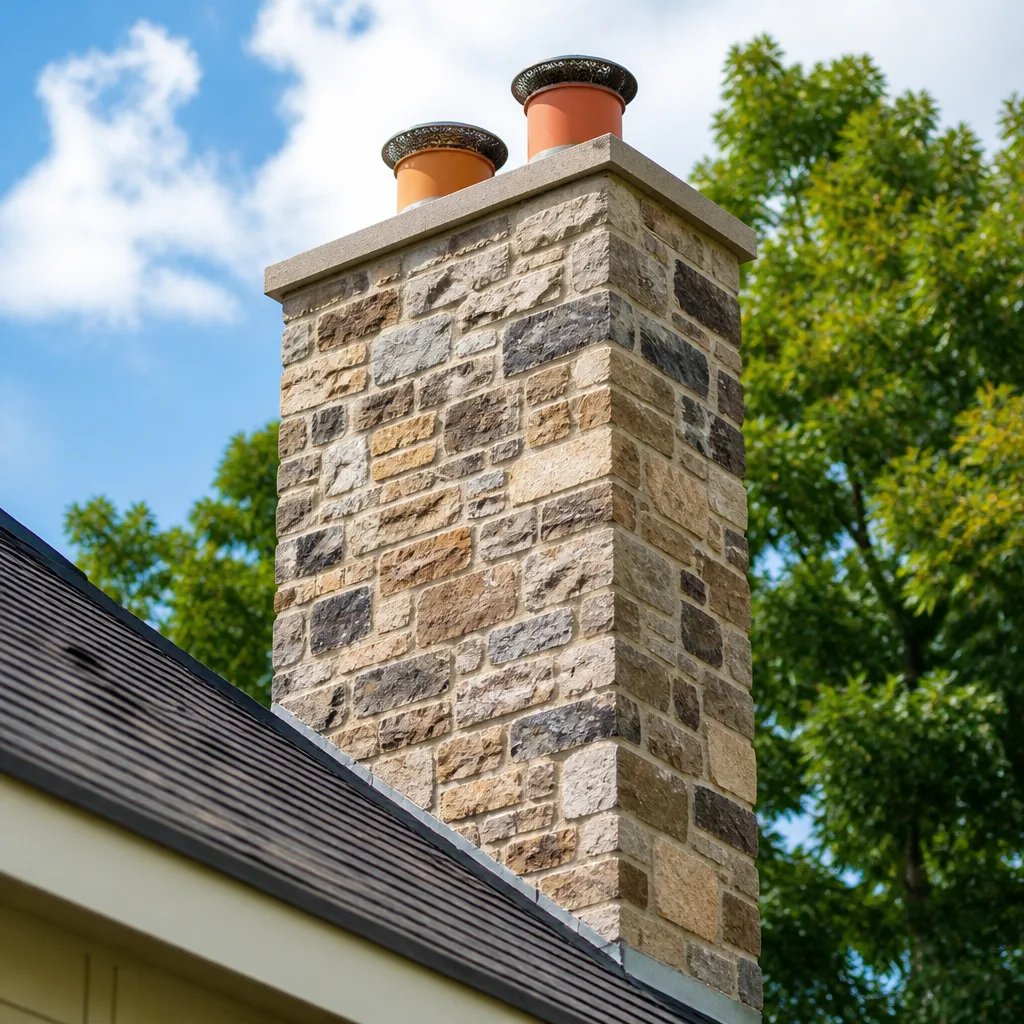 Masonry repair
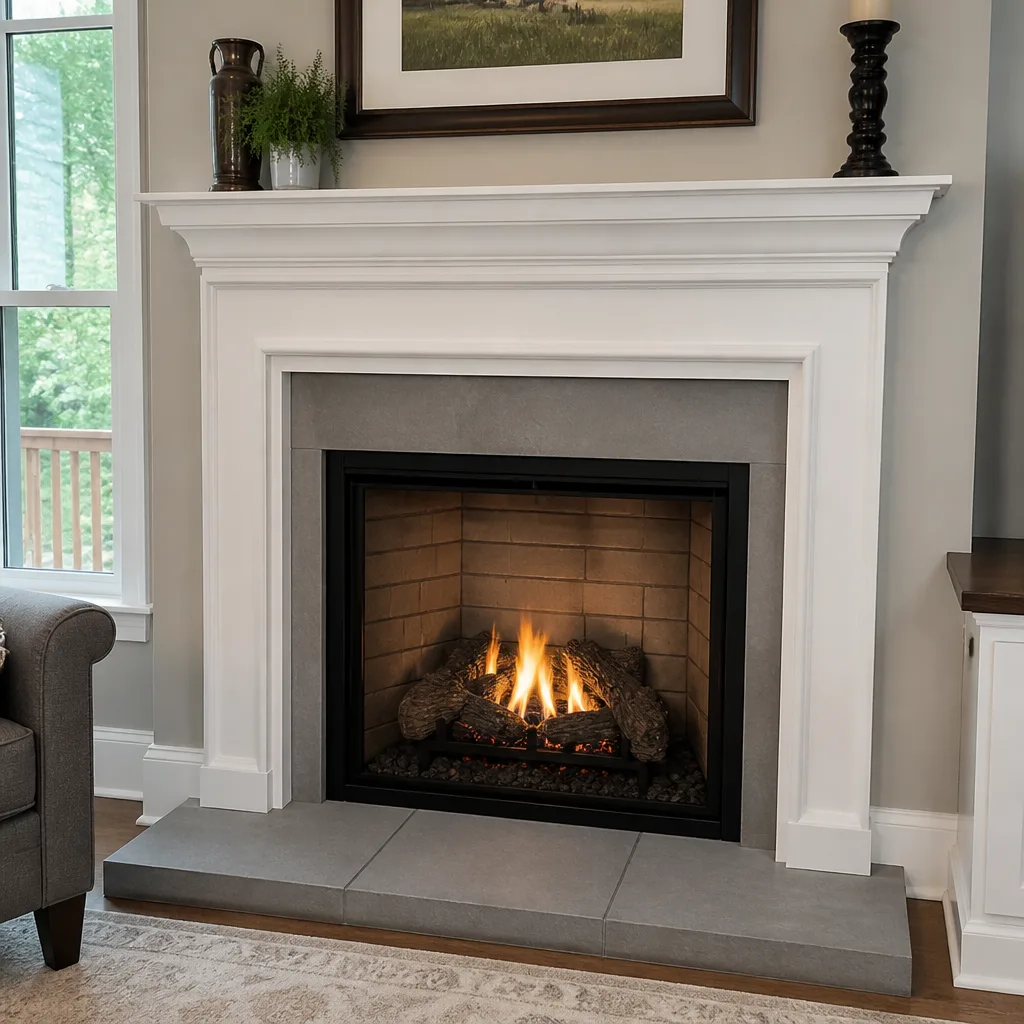 Gas fireplace service
Level 1 sweep and inspection to the NFPA 211 annual standard - flue, crown, cap, and flashing checked and photographed
Chimney sweep logs do not sweep chimneys. They loosen some creosote - which then falls where a brush and vacuum still have to collect it.
Chimney Cleaning Emergency Preparedness Guide for South Hill Homes
A chimney fire doesn’t announce itself with flames shooting out of the top. It usually sounds like a low roar or a freight train rumbling inside the wall, and most homeowners who’ve lived through one say the same thing afterward: they didn’t recognize it right away. That delay is what makes a chimney emergency dangerous. Not the fire itself, necessarily, but the minutes lost deciding whether this is real and what to do next. We wrote this guide for South Hill homeowners because response protocol matters more than prevention advice when something is already happening. You’ll learn what to do in the first 60 seconds of a suspected chimney fire, how to spot a blockage before it turns into a carbon monoxide event, why closing the damper can backfire, and what the fire department needs from you when they arrive.
Quick Answer
If you suspect a chimney fire in South Hill, call 911 first, get everyone out of the house, and don’t close the damper. Once the fire department clears the scene, the chimney cannot be used again until a Level 2 inspection confirms the flue is intact, per NFPA 211. For a suspected blockage or a carbon monoxide alarm, open a window, leave the house, and call 911 before calling anyone else.
Styles & brands we work with
- Sweep & inspection
- Caps & crowns
- Flue relining
- Masonry repair
- Gas fireplace service
Table of Contents
- The First 60 Seconds of a Suspected Chimney Fire
- Why You Should Not Close the Damper During a Chimney Fire
- Blockage or Carbon Monoxide? How to Tell From Inside the House
- What to Tell the Fire Department When They Arrive
- Post-Fire Protocol: Why a Chimney That Survived Cannot Be Used
- The Patterns That Precede Most Chimney Emergencies in South Hill
- Your Pre-Season Emergency Preparedness Checklist
- When to Call a Professional
The First 60 Seconds of a Suspected Chimney Fire
The first minute of a chimney fire is not the time to diagnose. It’s the time to act on a clear sequence you’ve already thought through. We’ve talked with plenty of South Hill homeowners who spent those first seconds standing in the living room trying to decide if the sound was serious. Don’t do that. Treat every suspected chimney fire as real until a professional tells you otherwise.
Here’s the protocol to follow, in order:
- Call 911 immediately. Tell the dispatcher you have a suspected chimney fire at your address. Don’t wait to confirm it first. A false alarm costs you nothing; a delayed response can cost you the house.
- Get everyone outside. Adults, kids, pets. Walk out and stay out. Don’t stop to gather belongings.
- Close the fireplace doors or glass screen if you have one. This is not the same as closing the damper. It keeps embers from popping out into the room.
- Leave the damper open. More on why below, but the short version is that closing it traps heat and pressure inside the flue, and that’s the opposite of what you want.
- Note what you saw and heard. Roaring sound, popping noise, smoke smell, visible smoke from the top of the chimney, discolored creosote flakes on the roof. The fire department will ask, and your answers help them assess the situation before they even get out of the truck.
One thing to leave alone: don’t spray water into the firebox. Water on a hot firebrick or metal firebox can crack it, and the sudden steam can drive smoke and heat back into the room. That’s a job for the fire department, not the homeowner.
Why You Should Not Close the Damper During a Chimney Fire
It seems intuitive: fire needs air, so smother the fire by shutting off the air supply. That logic works for a grease fire in a pan. It doesn’t work in a chimney, and here’s why.
A chimney fire is burning inside the flue, not inside the firebox. The flue is a vertical column of hot gas and burning creosote. When you close the damper, you cut off the draft that’s pulling combustion gases up and out. What’s left is a sealed column of superheated air with nowhere to go. The pressure has to escape somewhere else, and that somewhere is often a cracked flue tile, a failed mortar joint, or a gap between the flue and the chimney structure. That’s how a contained chimney fire becomes a house fire.
An open damper lets the hot gases vent upward, which is where the chimney is designed to send them. The fire may burn hotter in the short term, but it burns inside the flue instead of forcing its way into your attic or wall cavity. The fire department is trained to handle the rest, and they need the damper open to do it safely and to check the flue afterward.
- Do not close the damper. Leave it open until the fire department tells you otherwise.
- Do not throw water down the chimney. The thermal shock can crack flue tiles and firebox components.
- Do not use a fire extinguisher inside the firebox. Dry chemical can damage the firebox, and the extinguisher doesn’t reach the flue where the fire is actually burning.
- Do not re-light the fireplace after the fire is out, no matter how intact everything looks from the outside.
What you can do, while you’re waiting, is keep an eye on the outside of the chimney from a safe distance. Watch for visible flame or heavy smoke from the top, and for sparks hitting the roof. If you see those, tell the dispatcher so the fire department knows what they’re arriving to.
Blockage or Carbon Monoxide? How to Tell From Inside the House
A blockage and a carbon monoxide event often start the same way: smoke backing into the room when you light a fire, a fire that won’t draft, a faint smell you can’t place. The difference is what’s causing it and how fast it becomes dangerous. Here’s what to watch for from inside the house, before anything goes wrong.
- Smoke rolling back into the room when you light a fire. This is the classic blockage symptom. A bird nest, a squirrel nest, a fallen flue tile, or a heavy creosote shelf can all narrow the flue enough that smoke can’t escape upward.
- A downdraft that’s worse than usual. Some smoke on a cold start is normal in South Hill and everywhere else. A downdraft that gets worse over the season or doesn’t clear is not.
- Animal noises from the chimney. Scratching, chirping, or flapping sounds from the chimney is a sign of a nest. If you hear it in the chimney, there’s a blockage.
- Soot flakes falling into the firebox. That’s often a sign of a flue liner degrading or heavy creosote loosening from the flue walls.
- Headaches, dizziness, or nausea that clear when you leave the room. Carbon monoxide is odorless, and this is the most dangerous symptom. If a CO alarm goes off, get out of the house and call 911.
The one that matters most: install a carbon monoxide alarm on every level of the home and near the sleeping areas. It’s the only reliable way to know a CO event is happening before you feel it. Older homes around South Hill with gas appliances and a chimney that shares a flue with a furnace are especially worth checking. If a CO alarm sounds, treat it exactly like a suspected chimney fire: get out, call 911, don’t try to diagnose it from inside.
What to Tell the Fire Department When They Arrive
When the fire department pulls up, your job shifts from acting to informing. The more clearly you can describe what happened and what you know about the chimney, the faster they can figure out where the problem is and whether the fire is still burning inside the flue.
Have these details ready:
- What you heard and saw. Roaring, popping, smoke color, smoke volume from the top, visible flames from the top, sparks on the roof.
- Where you were when it started. Standing in the living room, walking past the chimney outside, or already in bed. This helps them assess whether you inhaled smoke.
- What you did. “I called 911, I closed the glass doors, I left the damper open.” Tell them exactly what you did and what you didn’t.
- Where the chimney runs. Interior chimney or exterior chimney on the side of the house. Interior chimneys run through the attic and roof; exterior chimneys run up the outside wall. The fire department’s access and how they check the flue depend on this.
- What’s attached to the chimney. A wood stove on a flue that’s venting a furnace or boiler, or a shared configuration, changes the assessment. Tell them.
- Whether you’ve had any recent chimney work. If the chimney was swept or inspected recently, that’s useful context for how much creosote was in the flue and how the fire likely started.
The fire department will check the flue for heat and visible damage, and they may do a camera check or thermal scan depending on the department’s equipment. What they won’t do is tell you the chimney is safe to use again. That’s not their job, and a fire crew clearing the scene is not the same as an inspection. Wait for a professional chimney inspection before you light another fire, even if the fire department gave you the all-clear.
Post-Fire Protocol: Why a Chimney That Survived Cannot Be Used
A chimney fire can leave the outside of the chimney looking completely normal. The brick is intact, the crown is in place, the cap is still on. What you can’t see from the ground is what the heat did to the inside of the flue.
The heat from a chimney fire can crack clay flue tiles, open up mortar joints, warp a metal liner, and damage the firebox and damper assembly. A crack in a flue tile is a path for combustion gases and carbon monoxide to escape into the framing of the house. A warped metal liner may hold its shape but no longer seal. Some of this damage is invisible to the naked eye, and that’s exactly why NFPA 211 requires a Level 2 inspection after any chimney fire or other event likely to have caused damage.
A Level 2 inspection includes a camera inspection of the flue, a check of the accessible portions of the chimney exterior and interior, and a look at the connections to appliances. The results are documented with photos. If the flue is found to be damaged, the repair path depends on what’s wrong:
- Minor cracks in clay tile: often addressed with a resurfacing system applied to the inside of the flue. HeatShield is one of the products we use for this, and it’s a professional-grade rehab solution rather than a coating.
- Failed flue tiles or an obsolete flue: relining with a flexible stainless liner is the standard repair. We use DuraFlex liners for this because they meet code requirements and restore draft performance in aging chimneys without full demolition.
- Damaged firebox or damper: addressed through fireplace repair before the chimney is returned to service.
- Compromised crown or cap: a damaged crown lets water into the chimney structure, which is the leading cause of long-term chimney damage. Cap and crown work is often necessary after a fire, not just as routine prevention.
Don’t skip the inspection because the fire department gave you the all-clear. That was a check for active fire, not a structural inspection. A chimney that survived a fire without visible damage is still a chimney that needs to be checked before it’s used again.
The Patterns That Precede Most Chimney Emergencies in South Hill
Chimney emergencies don’t come out of nowhere. They follow predictable patterns, and South Hill has some local factors that shape them.
The seasonal pattern. Most chimney fires happen in the first cold snap of the season, after a summer of the fireplace sitting unused. Homeowners light the first fire of the year without checking the flue, and the creosote from last season is still sitting on the walls. The first fire of the year is not the fire to skip a sweep on.
The creosote pattern. Creosote builds up faster with certain burning habits: green or unseasoned wood, restricted air supply, cool flue temperatures, and burning paper or cardboard in the firebox. A homeowner who burns seasoned hardwood in a hot fire accumulates creosote far more slowly than one who burns whatever’s in the woodpile. The difference between a sweep every year and a sweep every two years is usually the wood, not the fireplace.
The blockage pattern. South Hill sits in a mix of mature trees and open lots, and the top of the chimney is a favorite spot for birds and squirrels to build nests. A cap on the chimney is the single most effective prevention against a bird nest blockage. If your chimney has no cap, a nest in the flue is not a matter of if.
The appliance-sharing pattern. Older South Hill homes with gas furnaces and fireplaces sometimes share a flue or have close connections. A blockage or a damaged flue tile in that configuration can back carbon monoxide into the house from an appliance you weren’t even thinking about. This is the scenario where a carbon monoxide alarm genuinely saves lives.
The deferred-maintenance pattern. A chimney that hasn’t been inspected in several years usually has at least one issue that wasn’t there the last time: a cracked crown, a loose cap, mortar joint erosion on the exterior. Left long enough, water gets in, the structure degrades, and what would have been a simple repair becomes a larger chimney repair job.
If any of these patterns describes your house, an inspection before the season starts is the cheapest form of emergency preparedness. It’s not about being alarmist. It’s about knowing what’s actually in your flue before the first cold night forces the question.
Your Pre-Season Emergency Preparedness Checklist
Preparedness for a chimney emergency is mostly about doing a few things in advance so you’re not making decisions in the moment. Here’s what we recommend for South Hill homeowners, in order of importance.
- Install carbon monoxide alarms on every level. Test them before the heating season starts. Replace batteries on a schedule you won’t forget.
- Get the chimney swept and inspected before the first fire of the season. A routine chimney sweep removes the creosote that fuels chimney fires. An inspection finds the structural issues you can’t see.
- Confirm the chimney has a cap. Caps keep birds, squirrels, and rain out of the flue. If you don’t have one, cap and crown work is a straightforward fix.
- Check the crown from the ground. Look for cracks, spalling, or a crown that’s pulling away from the chimney. A failing crown lets water into the structure.
- Know your damper’s position and how it operates. In an emergency, you want to know exactly how to leave it open without fumbling.
- Write down the fire department’s non-emergency number next to the emergency number, so you’re reaching the right line for a non-urgent question.
- Keep a clear path to the fireplace and to the chimney exterior so the fire department can access both if they need to.
- Book the sweep before the season. Chimney schedules fill up quickly as the first cold snap approaches, and a sweep is better done in the mild weeks than in the first cold one.
The other thing to do in advance is to know who to call for the inspection and any repairs afterward. When a chimney emergency has just happened, you don’t want to be calling a series of contractors to figure out who can handle the inspection, the relining, and the cap work. That’s the moment a single company that covers the full system is worth having.
Common Mistakes to Avoid
- Closing the damper during a chimney fire. It traps heat and pressure in the flue, which is exactly how a chimney fire becomes a house fire. Leave it open and get everyone out.
- Waiting to confirm the fire before calling 911. The roar of a chimney fire sounds like a freight train in the wall, and by the time you’re certain, the fire has had minutes to spread. Call first.
- Re-lighting the fireplace after a fire because everything “looks fine.” Fire damage to flue tiles and liners is usually invisible from the ground. The chimney needs a Level 2 inspection before it’s used again.
- Burning green or unseasoned wood to stretch the woodpile. In South Hill, where damp winters make it hard to dry wood outdoors, unseasoned wood is a common cause of rapid creosote buildup. Burn dry wood or burn less.
- Skipping the annual sweep because the fireplace “doesn’t get used that much.” Creosote accumulates whether the fireplace is used every night or a few times a month, and a thin layer of glazed creosote is still fuel.
- Hiring a general handyman for a chimney repair. Chimney work requires specific tools, materials, and knowledge of how the flue, firebox, and crown interact. A generalist learning on your chimney is expensive the second time around.
- Ignoring a damaged crown because the chimney “still drafts fine.” A cracked crown lets water in year after year, and the structural damage underneath the surface is usually far more expensive than the cap and crown work that would have prevented it.
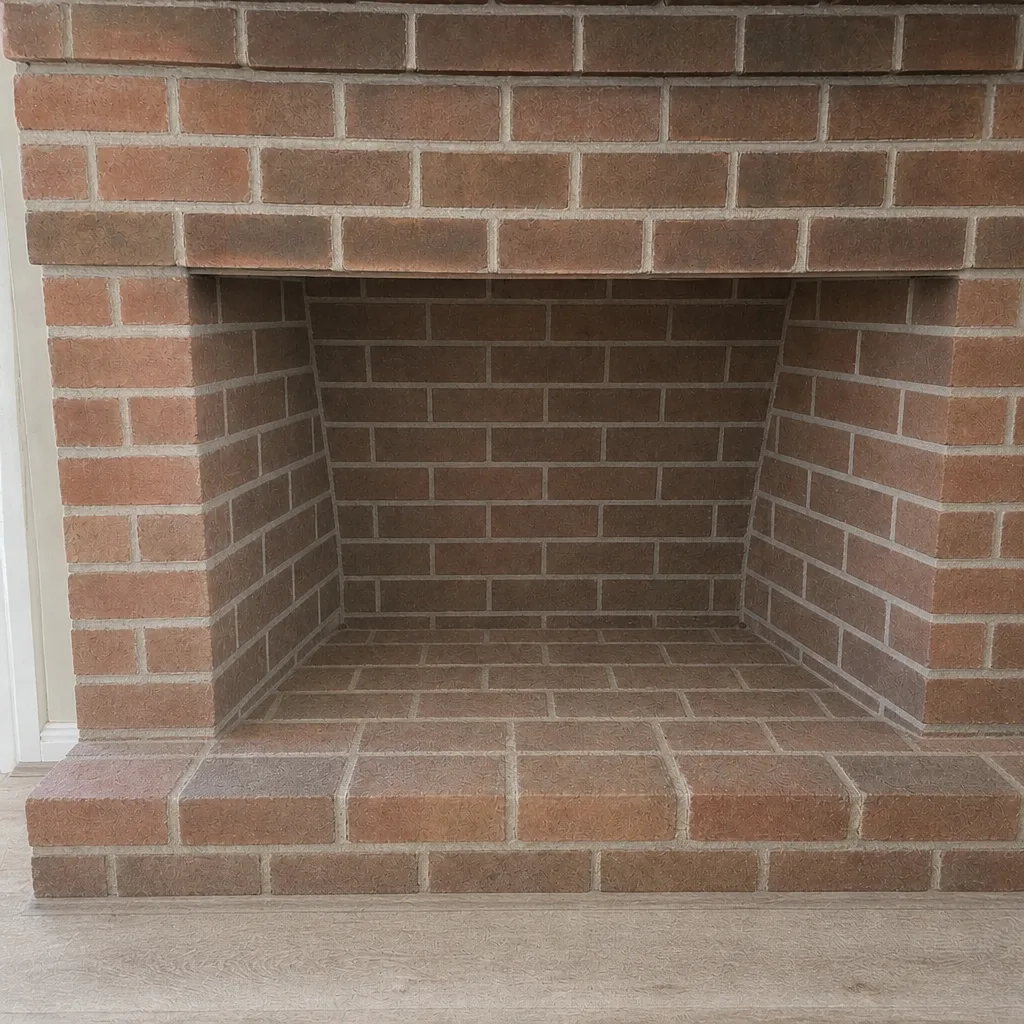
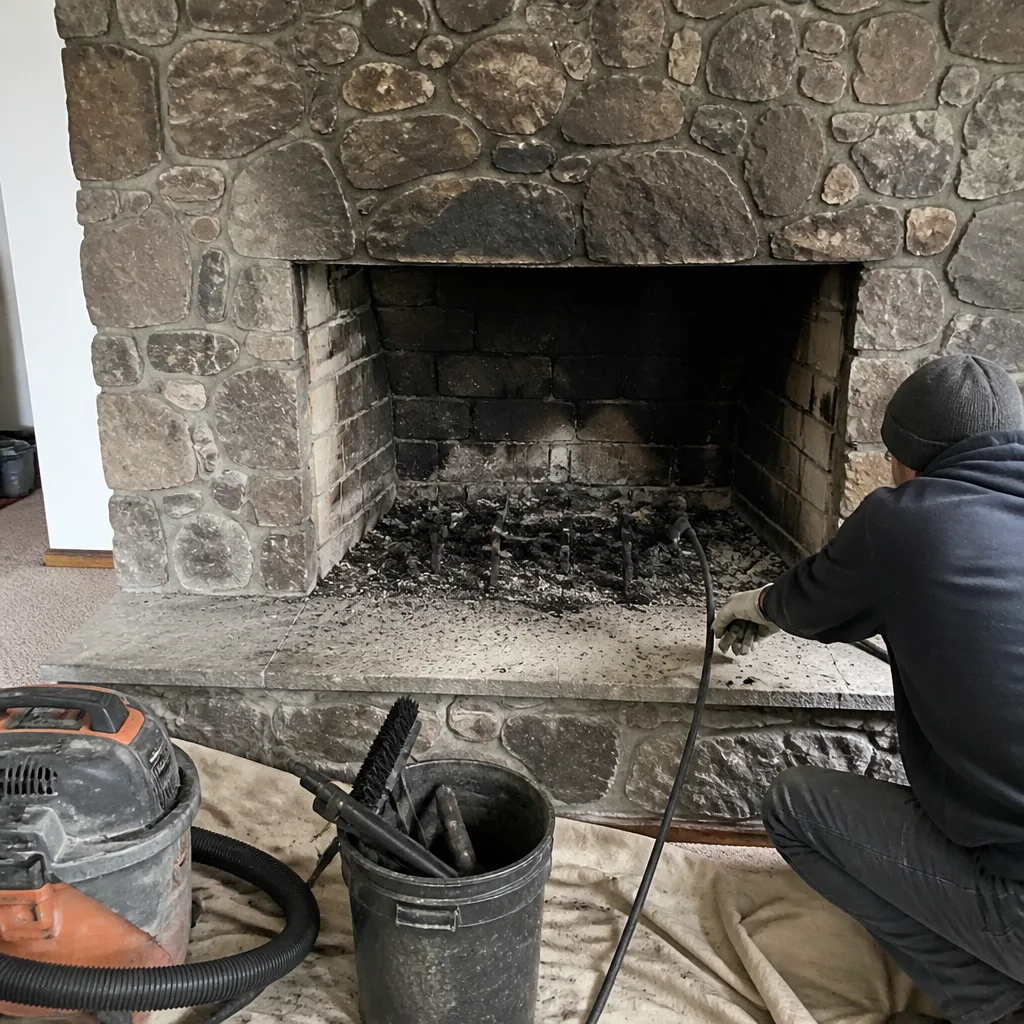
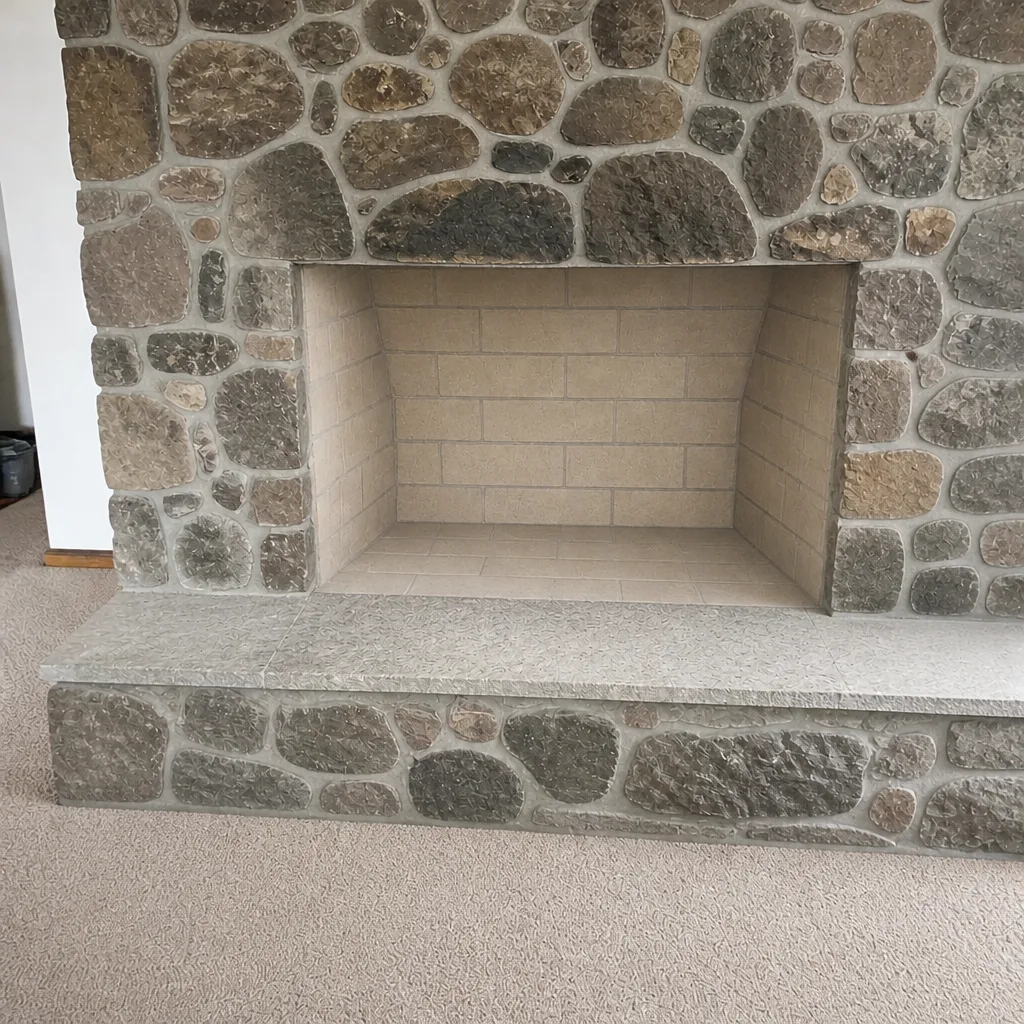
See the difference
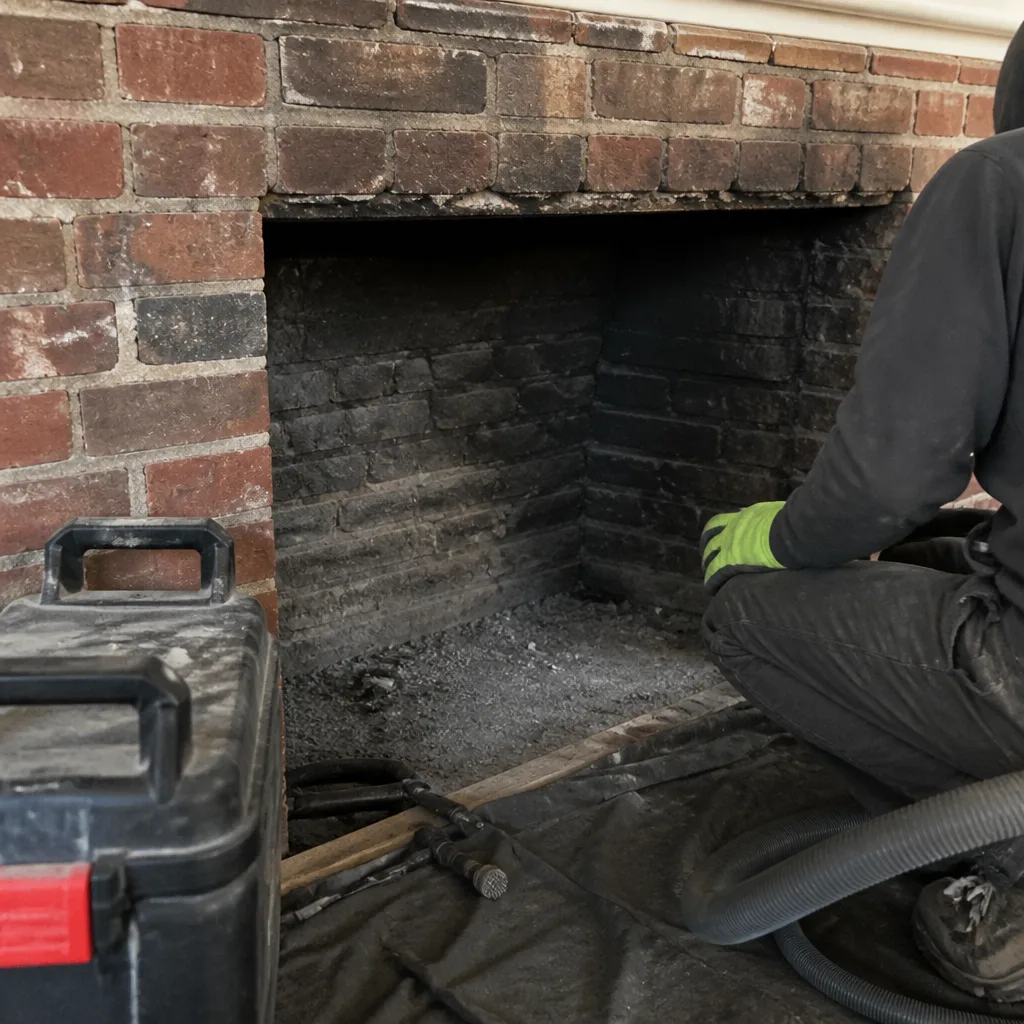 Before
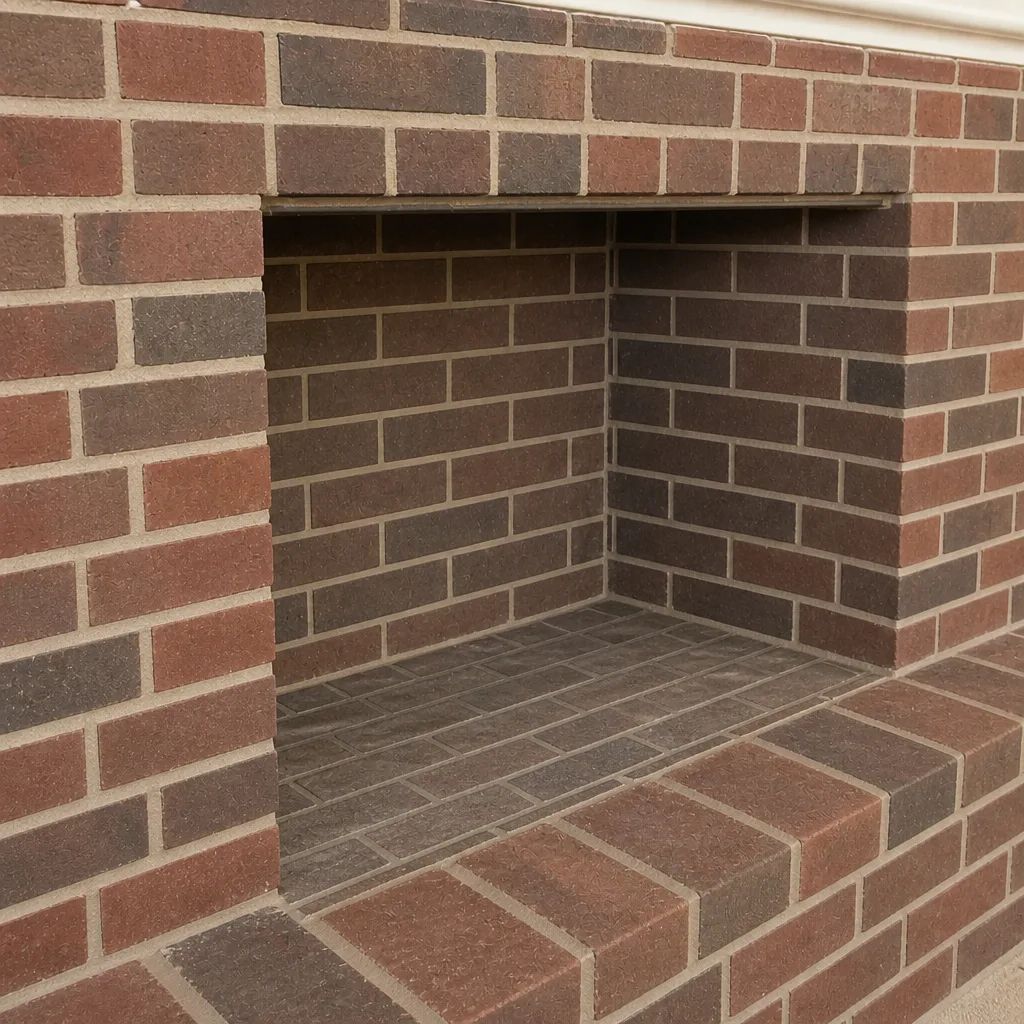 After
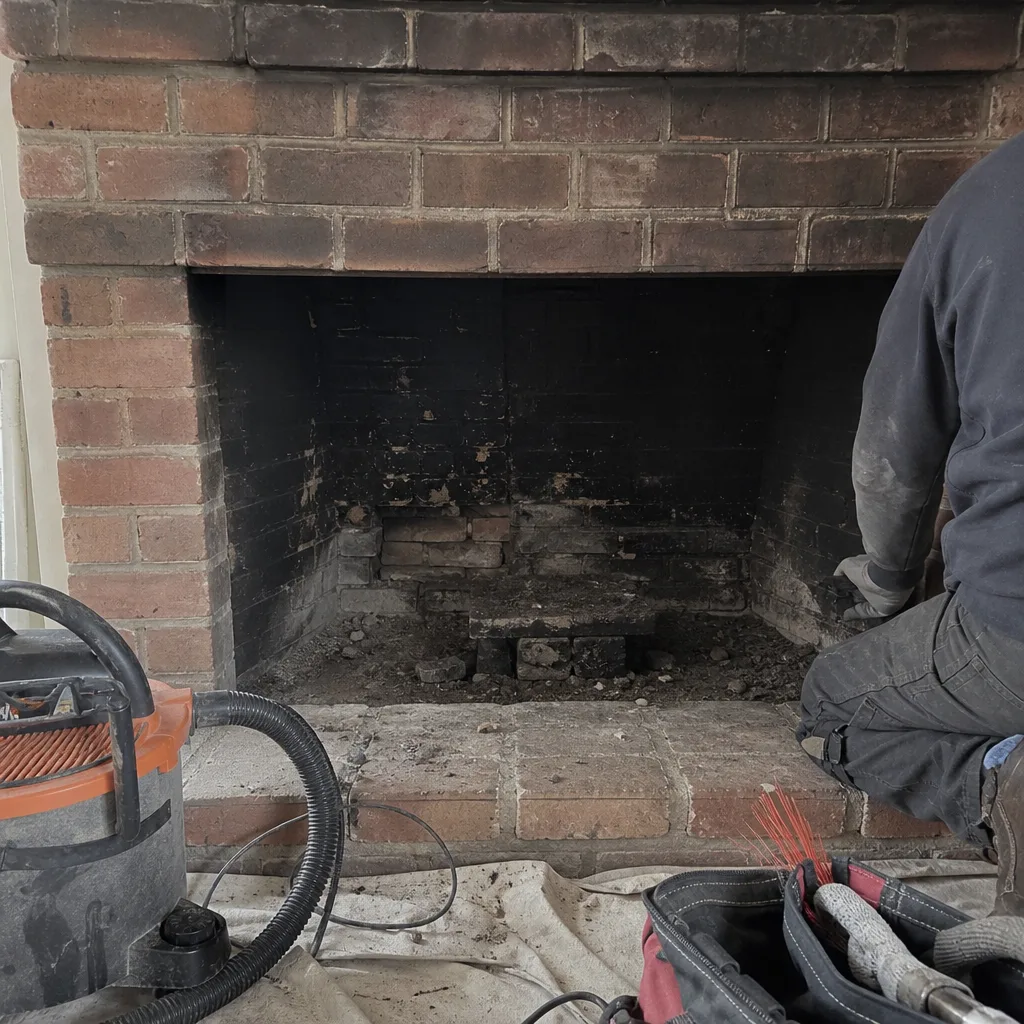 Before
 After
 Before
 After
When to Call a Professional
Some chimney situations need a professional on-site before you use the fireplace again. Call us if you’ve had a chimney fire, even a small one, or if the fire department responded to a suspected fire at your home. Call if a carbon monoxide alarm has gone off, even if it reset. Call if you see smoke backing into the room on a cold start, if you hear animals in the chimney, if the crown is cracked or the chimney cap is missing, or if it’s been more than a year since your last sweep.
South Hill Chimney Sweep offers free estimates in South Hill. We’ll tell you exactly what we found and what it means before we quote a single repair, and every recommendation comes with photos you can see for yourself. Call (833) 509-5329. We answer 24/7. Fast dispatch from 7am to 7pm, Sunday through Friday.
Frequently Asked Questions
Call 911 first, get everyone out of the house, and leave the damper open. Don’t wait to confirm it’s a real fire before calling. The roar of a chimney fire is often the loudest clue, and the minutes spent deciding whether it’s serious are the minutes that matter most. After the fire department clears the scene, call (833) 509-5329 to book a Level 2 inspection before the chimney is used again.
A routine chimney sweep in South Hill is typically estimated per job by the written estimate, and we confirm the price before we book. The estimate is free, and there’s no service-call fee or trip charge. A sweep that turns into an inspection or a repair is quoted separately before any work begins. Call (833) 509-5329 for an exact quote – estimates are free.
Creosote keeps building up on the flue walls, and glazed creosote is the fuel that turns a small fire into a chimney fire. You also lose the annual inspection, which is how structural problems get caught while they’re still small repairs instead of larger chimney repair jobs. In South Hill, where the burning season is long, a skipped sweep is a skipped opportunity to catch the problem early. Call (833) 509-5329 to book a sweep before the season starts.
Not always, but you need a Level 2 inspection before anyone can say. NFPA 211 requires an inspection after a chimney fire because damage to the flue tiles or liner is usually invisible from the ground. If the inspection finds cracks in the tiles, a resurfacing system like HeatShield may address it. If the liner is failed or the flue is obsolete, a DuraFlex flexible liner restores code compliance without full demolition. Nothing gets recommended without photos you can see. Call (833) 509-5329 for a free estimate.
Most wood-burning chimneys need a sweep once a year, and a gas fireplace needs an annual inspection even though there’s less creosote to remove. If you burn frequently, burn unseasoned wood, or notice smoke backing into the room, a sweep sooner than a year is worth it. In South Hill, the practical rule is to sweep before the first fire of the season, so the check happens before you actually need it. Call (833) 509-5329. We answer 24/7. Fast dispatch from 7am to 7pm, Sunday through Friday.
Yes. A bird or squirrel nest, or debris falling into the flue, can narrow the chimney enough that combustion gases can’t vent properly. If the flue also vents a gas appliance, that blockage can back carbon monoxide into the house. If you hear scratching or chirping in the chimney, don’t light a fire until the flue has been cleared and inspected. Call (833) 509-5329 to book a chimney repair visit and a camera inspection.
The Bottom Line
Chimney emergencies follow patterns, and South Hill homeowners who understand those patterns act faster when it matters. Call 911 first for a suspected chimney fire, leave the damper open, and get everyone out. For a suspected blockage or a CO alarm, treat it the same way. After any chimney fire, the chimney cannot be used again until a Level 2 inspection confirms the flue is intact. The prevention side is just as simple: a sweep and inspection before the first fire of the season, a carbon monoxide alarm on every level, and a chimney cap that keeps animals and water out. From the firebox to the crown, we handle the full system so you’re not calling three contractors after an emergency.
Related Services
If you’re catching up on preventive maintenance alongside your emergency planning, start with the South Hill Chimney Sweep page or book a fireplace repair visit if the firebox or damper needs attention. For structural work on the flue or the crown, see our chimney repair service. An annual sweep is the cheapest form of emergency preparedness there is.
Call (833) 509-5329 for a free estimate. We answer 24/7. Fast dispatch from 7am to 7pm, Sunday through Friday. Every recommendation comes with camera inspection and a photo report you can review before any work is quoted. Our technicians have up to 15 years of experience, and the local pros we connect you with are licensed and insured as their state requires.
Written by the team at South Hill Chimney Sweep.
What happens when you call
- 1
A real person answersNo phone trees – you reach a local pro.
- 2
You get an upfront price rangeHonest numbers before anyone is dispatched.
- 3
A background-checked tech heads outLicensed & insured, dispatched right away.
- 4
You approve before work beginsNothing starts until you say go.