
Last updated November 25, 2026
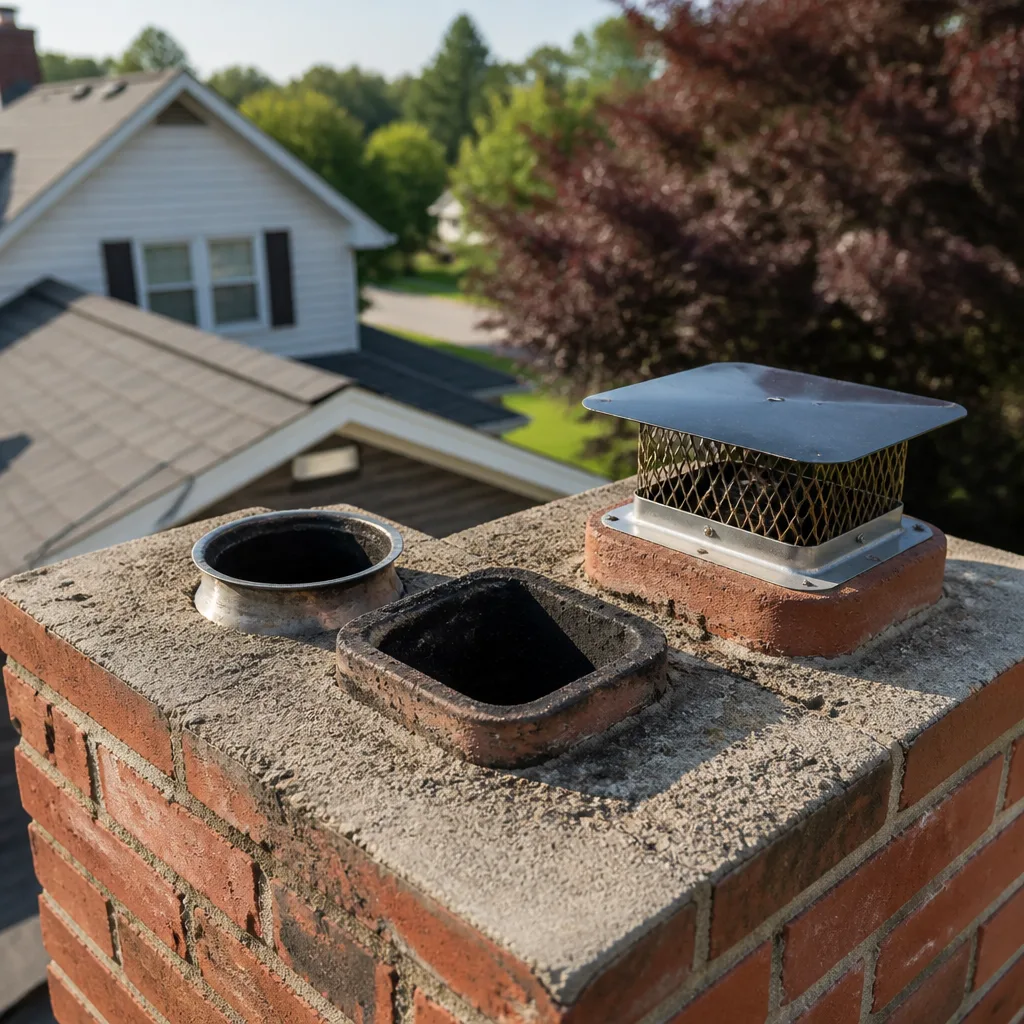 Sweep & inspection
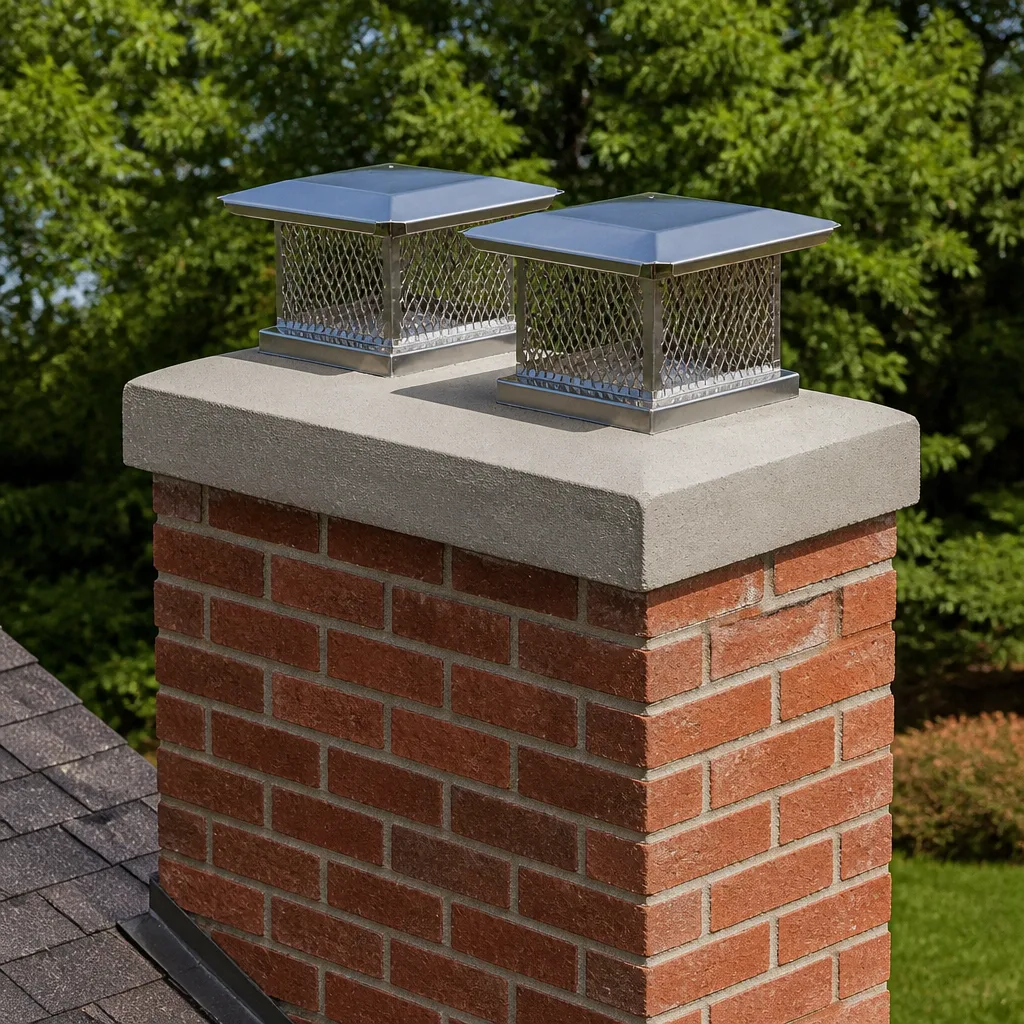 Caps & crowns
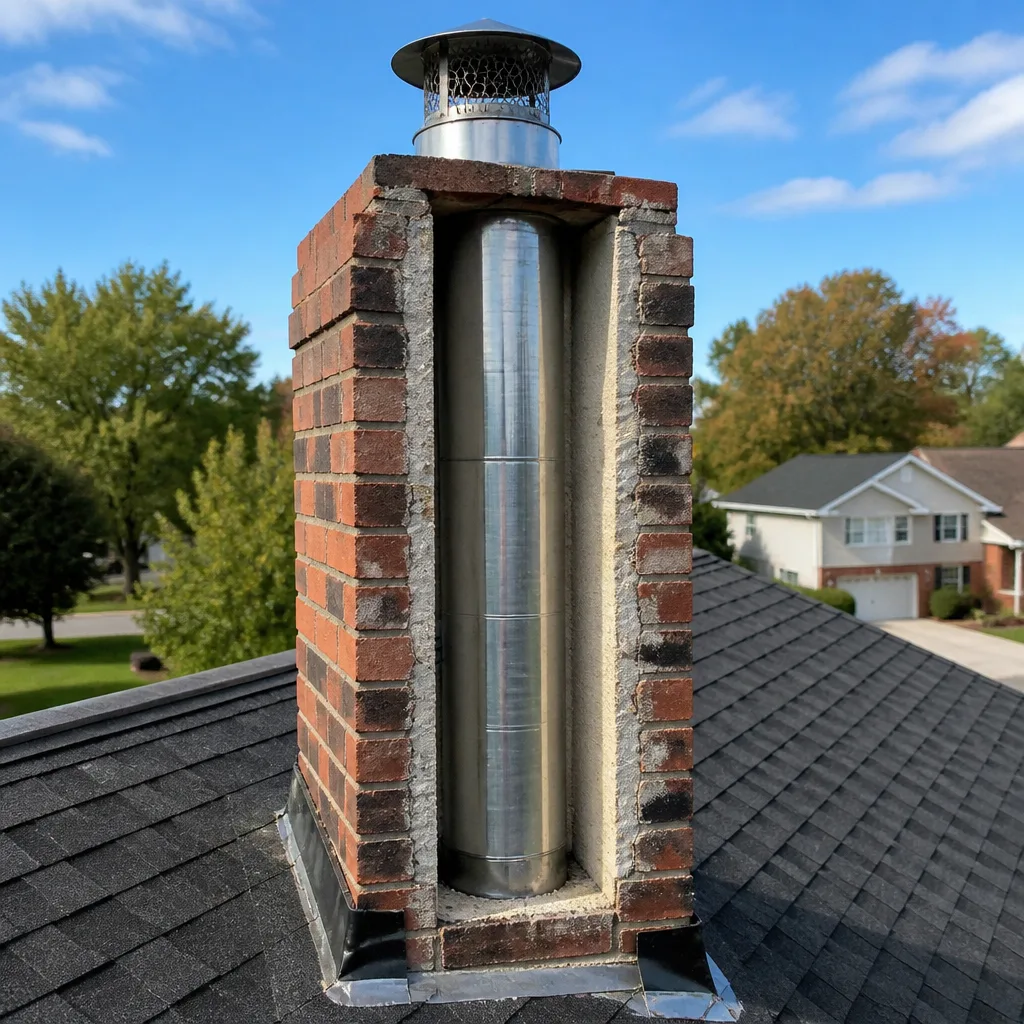 Flue relining
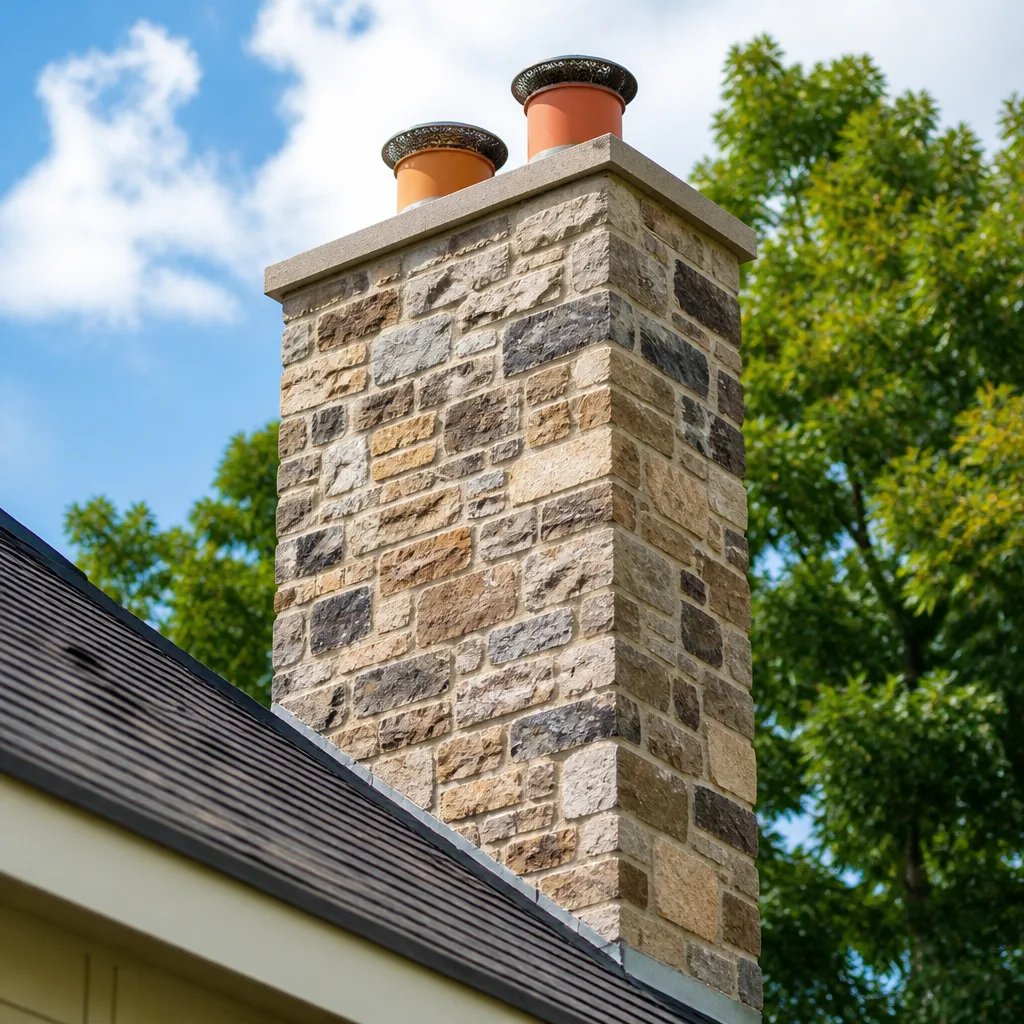 Masonry repair
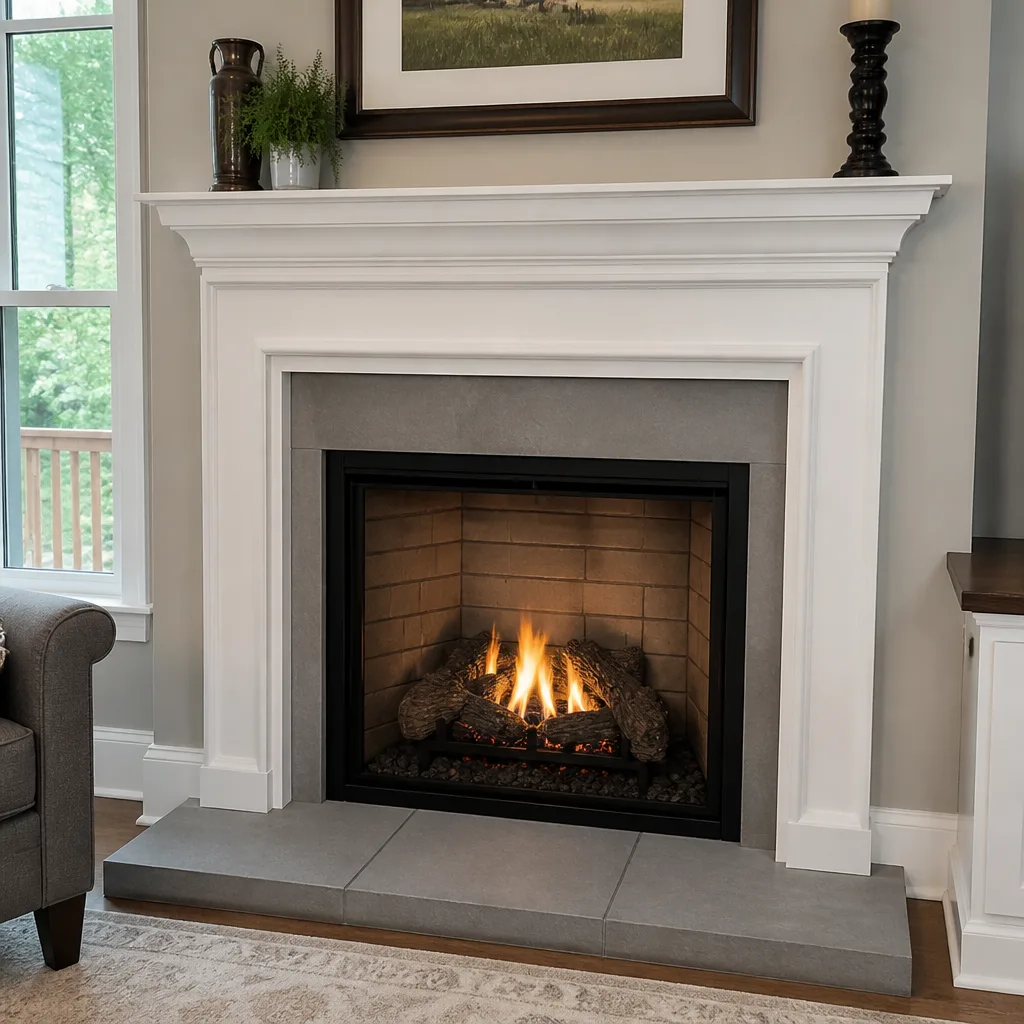 Gas fireplace service
Level 1 sweep and inspection to the NFPA 211 annual standard - flue, crown, cap, and flashing checked and photographed
Chimney sweep logs do not sweep chimneys. They loosen some creosote - which then falls where a brush and vacuum still have to collect it.
Chimney Cleaning Permits, Codes & Inspections in South Hill, WA: What You Need to Know
Here’s the counterintuitive part: the thing most likely to cost you money on a chimney isn’t the cleaning you put off. It’s the repair you had done without a permit. A liner replacement that looks fine on the day it’s finished can surface years later during a home sale inspection – the work is visibly there, the permit isn’t, and the current owner inherits the problem. In South Hill, where a lot of homes have had chimneys serviced more than once, that gap between “done” and “documented” shows up often. This guide walks through where Washington’s rules actually draw the line, what NFPA 211 requires, and how to collect the paperwork that protects you.
Quick Answer
Routine chimney cleaning in South Hill, WA doesn’t require a permit. Structural work – replacing a liner, rebuilding a crown, altering the firebox opening, or changing the flue – generally does require a permit through Pierce County, and the work must meet Washington State building code. An NFPA 211 Level 2 inspection is legally required at a property transfer, after a chimney fire or earthquake, and after any change in fuel type or appliance.
Styles & brands we work with
- Sweep & inspection
- Caps & crowns
- Flue relining
- Masonry repair
- Gas fireplace service
Table of Contents
- Where Maintenance Ends and a Permit Begins
- How Pierce County Handles Chimney Repair Permits
- What NFPA 211 Actually Requires for Inspections
- When a Level 2 Inspection Is Legally Required
- The Documentation That Protects You at Sale
- Questions to Ask Before You Book a Contractor
- South Hill Housing and Weather: Why This Comes Up
- Common Mistakes to Avoid
Where Maintenance Ends and a Permit Begins
The threshold is simpler than most homeowners expect. Cleaning, sweeping, and visual inspection are maintenance. They remove creosote and debris, check that components work, and don’t alter the structure of the chimney. No permit is required for any of that.
A permit becomes part of the job the moment the work changes the structure of the venting system or the firebox. That includes liner replacement, crown rebuilds, flue resizing, firebox opening changes, and any repair to the chimney structure itself. When a contractor installs a flexible liner system like DuraFlex, the flue interior is being altered to a new specification, and that new specification has to meet code. That’s a permitted scope of work.
Here’s how the categories break down:
- No permit required: Chimney sweeping, creosote removal, visual inspection (Level 1), cap replacement of the same dimensions, minor mortar pointing on exterior joints.
- Permit generally required: Liner installation or replacement, flue resizing, crown reconstruction, firebox dimensional changes, structural masonry repair, damper replacement involving masonry work.
- Ask the building department directly: HeatShield flue resurfacing, replacing a cap with a different style or larger footprint, repairing a chase cover, and any repair where you’re unsure whether the work counts as structural.
When in doubt, call Pierce County before agreeing to the work. A five-minute phone call tells you whether a permit applies. Once you’re searching that question for a South Hill home, the answer is usually available in a day.
We’ve been on both sides of this. A chimney repair that could have been permitted and wasn’t is harder to resolve later than one that was permitted correctly the first time.
How Pierce County Handles Chimney Repair Permits
Pierce County treats chimney repairs the same way it treats most residential structural permits. A single permit application covers the repair scope, an inspection happens after the work, and the permit is closed once it passes. The office doesn’t issue a separate “chimney permit” – it’s filed as a residential mechanical or structural permit depending on what’s being altered.
The practical detail homeowners miss: the permit is pulled by the contractor performing the work, not by the homeowner. If a company shows up, replaces your liner in an afternoon, and hands you an invoice, there was no permit. That’s not a paperwork technicality – it means the work was done without inspection.
The sequence for a permitted repair in South Hill typically runs like this:
- Contractor assesses the chimney and writes the scope of work.
- Contractor files the permit application with Pierce County, naming the property address and describing the work.
- County reviews and issues the permit.
- Contractor completes the work per code requirements.
- County inspector reviews the completed work on site.
- Permit is closed; the record stays with the property address.
New construction is a separate track. When a chimney is part of new construction, it’s covered under the general building permit for the home. Repairs to an existing chimney are their own permit scope. That distinction matters because a homeowner sometimes hears “the chimney was permitted” and assumes the repair history is covered – when it only means the original build was.
Ask your contractor, before booking, whether the repair requires a permit and who pulls it. If the answer is vague, that’s a sign to get a second opinion. Our team can walk you through what a typical permitted scope involves when we’re writing the estimate.
What NFPA 211 Actually Requires for Inspections
NFPA 211 sets three inspection levels, and they map to distinct real-world situations. Most homeowners have heard of “a chimney inspection” as a single thing. It isn’t.
- Level 1: A visual inspection of the readily accessible portions of the chimney and connected appliance – from the firebox up to the damper, and outside at grade and the top of the stack. This is the standard annual inspection paired with a sweep.
- Level 2: A more thorough inspection that includes accessible attic and crawl space areas, plus a video scan of the flue interior using a camera. This is the level that reads actual interior condition.
- Level 3: A diagnostic inspection where access is created by removing parts of the chimney structure. This happens when a Level 2 shows a problem that can’t be evaluated otherwise.
The gap most South Hill homeowners encounter is at Level 2. A Level 1 tells you the chimney looks fine from what the inspector can see. A Level 2 tells you whether the liner interior is intact, whether joints have failed, and whether the flue meets the venting requirements for the connected appliance. When a camera scan isn’t part of the inspection, the inspection hasn’t actually looked inside the flue.
In our experience, the most valuable service call for an older South Hill home isn’t the sweep – it’s the camera. A flue that’s clean but internally damaged is more of a hazard than a flue that’s dirty and structurally sound. The camera is how the difference becomes visible. That’s why we include a camera scan and a photo report where a Level 2 is appropriate, not as an upsell but as the actual evidence you’re working from.
If your chimney hasn’t had a Level 2 in years – or ever – it’s the logical starting point. South Hill Chimney Sweep handles inspection and cleaning as a combined visit when the scope calls for it.
When a Level 2 Inspection Is Legally Required
NFPA 211 doesn’t just recommend a Level 2 inspection – it requires one in specific circumstances. When one of these applies, an inspection is not optional and not a matter of preference.
- At a property transfer. When a home is sold, the chimney has to be inspected at Level 2. This is why a buyer will ask for chimney documentation and why a seller can get caught short.
- After a chimney fire or earthquake. Both events can crack tiles, damage liners, and move masonry. The damage may be invisible from a Level 1 inspection.
- After any change in fuel type or appliance. Switching from wood to gas or adding a new insert changes the venting requirements for the flue. The chimney has to be evaluated against those new requirements.
- After an operational malfunction. If the chimney has backed up, smoked into the room, or behaved unpredictably, the cause is inside the flue.
- When a Level 3 inspection would otherwise be needed without evidence. A Level 2 camera scan is required before escalating to Level 3.
For any South Hill homeowner planning to sell in the next couple of years, the smart move is to have the Level 2 done now rather than during the closing process. A camera scan performed while you still have time to schedule and budget for a repair is far less stressful than one performed under contract deadlines.
If your chimney hasn’t been inspected at Level 2 and you’re not sure of the condition of the liner, that’s the visit to book. It’s also the visit that shows you what’s there instead of telling you what should be replaced.
The Documentation That Protects You at Sale
The paperwork package that protects a homeowner at sale usually has three documents in it. Not all contractors provide them automatically, so it’s worth asking for them before the work starts.
- Written scope of work. The written description of what was done – not an invoice that says “chimney repair.” A scope names the specific components, the materials used, and the finished condition.
- Inspection report for the completed work. A report showing the condition at completion, ideally with the same kind of camera evidence as the pre-work inspection. This is the document that shows the work passed a documented standard.
- Permit and inspection record. If a permit was required, the permit number and closure. This is the record that a county inspector confirmed the work.
For a non-permitted repair, ask for a written scope and a completion inspection report. Both are within the contractor’s ability to provide and both make the work visible to a future buyer. Absence of documentation isn’t fatal at sale – but absence of documentation for a major repair invites a buyer’s inspector to question the work. Frequently the resolution is a Level 2 inspection paid for by the seller during the contract period.
Disclose any known chimney condition issues in the seller’s disclosure. A chimney that was repaired cleanly with documentation is a much easier story for a buyer than one that was repaired with no paper trail. If the work was done right, the documentation does the talking.
Brands like HeatShield, DuraFlex, Olympia Chimney, and Copperfield are used by professional contractors across the trade specifically because the products are specifiable – the manufacturer documents what the installation requires, which is the basis for a defensible scope of work. Our team works with these brands because that documentation chain matters.
Questions to Ask Before You Book a Contractor
Most of the friction between homeowners and chimney contractors is avoidable with the right questions asked in advance. The wrong questions are about price. The right questions are about scope, documentation, and whether the work is permit-eligible.
Before booking any repair beyond a sweep, ask:
- Does this work require a permit under Washington code? The answer should be direct: yes, no, or “let me confirm with Pierce County.” A contractor who knows the answer doesn’t need to guess.
- Will you show me the scope of work in writing before I agree? The written estimate should describe the actual components being altered, not just the category.
- Is a camera scan part of this visit? If the answer is no for a repair decision, ask why not.
- What inspection level applies to my situation? For a sale, a fire, or a fuel change, the answer should be Level 2.
- What documentation will I receive at completion? Written scope, inspection report, and permit record where applicable.
- If you find a problem, will you show me the evidence before recommending the repair? Ask for photos. Any contractor with a camera has nothing to hide.
- What can safely wait? Some findings don’t need repair this season. A contractor who can say “we can address this next year” is telling you where the real urgency is.
The pattern here is specificity. Our team will tell you exactly what we found and what it means before we quote a single repair, and we’ll say plainly when a finding can wait. A chimney sweep in South Hill is a routine visit – the sweep isn’t the conversation. The findings are.
Once you have the answers, the follow-up is easier. For routine visits, that’s the chimney sweep visit. For repair work, the scope of the repair is what sets the conversation.
South Hill Housing and Weather: Why This Comes Up
Two local factors make this guide more relevant in South Hill than in many parts of the state. The first is housing stock. South Hill has a mix of homes built across several decades, and the chimney systems in those homes vary widely in style, liner type, and original code compliance. A chimney built before a code change meets that code, not the current one. A permitted repair brings the changed components up to today’s requirements. This distinction is often lost on homeowners who assume a clean sweep means the chimney meets code.
The second is weather. Western Washington winters drive long, frequent wood-burning seasons, and the shoulder seasons are wet. That’s a lot of cycles of heating and cooling, moisture exposure at the top of the stack, and freeze-thaw on crowns and masonry. Chimney caps and crowns take the worst of this because they sit at the top of the system and they’re the first line of defense against water intrusion. Water getting past a failing crown is a leading cause of long-term structural damage in this part of the state.
That’s the reason crown and cap work comes up so often alongside larger repairs. If a liner is being replaced, the crown deserves a look. If the crown has failed, water is being delivered to a chimney that may already have concerns. Our cap and crown services exist because the top of the system is where the durability problem starts.
Fires in South Hill follow the local pattern: most of the burn season runs from fall through late winter, and a morning cold snap in early fall is when the first fire of the year gets lit. That’s the right time to have already had the sweep and inspection done, not the morning of. The chimney inspection isn’t just maintenance – it’s a liability check before you light your first fire of the season. If you’re prepping a South Hill home for the burn season, fireplace repair and a sweep tend to happen together.
The Safety Reason This Matters
Creosote is the reason chimney codes exist. It accumulates in the flue as a byproduct of burning wood, and when it builds up enough it can ignite. A chimney fire can damage the liner, warp a damper, and crack masonry – sometimes without a visible flame from inside the house. Proper venting also matters for carbon monoxide, because a compromised flue means combustion gases don’t leave the house the way they’re supposed to.
We don’t need to exaggerate those risks – the codes exist because they’re real, and the inspection process is designed to catch the conditions that lead to them. That’s also why structural work has a permit. The county inspector checking a liner installation is confirming the flue meets a published standard, which is a safety check as much as a paperwork one. And it’s why the work should be done by a trained professional rather than as a Saturday project. A liner is not a component a homeowner should be installing on their own.
The same holds for anything involving the firebox, damper, or flue interior. If the concern is gas – a gas log set, a gas appliance on the chimney – it belongs with a licensed trade. We’ll say so. Chimney sweeping and inspection are within our scope; gas line connection and gas appliance service are not.
If you’re wondering whether now is the time for a sweep, the answer depends on your last inspection, your burn frequency, and whether anything has changed on the system. Chimney repair work is a separate conversation from sweep work, and we’re happy to walk through which one you need.
Common Mistakes to Avoid
- Assuming the sweep included an inspection. A sweep removes creosote; an inspection evaluates condition. They’re often performed together, but only when the contractor explicitly includes the camera scan. If you’re not sure which one you had last time, ask.
- Skipping the permit because the work “looked fine.” Work that isn’t permitted is work that isn’t inspected. The record matters even when the result is clean.
- Waiting until the sale to schedule the Level 2. A Level 2 discovered during a home inspection has to be performed on the buyer’s timeline. Do it a year before you list and the repair has time to be scheduled properly.
- Replacing the liner without checking the crown. A new liner in a chimney with a failed crown is a new liner with a water problem. Crown and cap work should be reviewed in the same conversation.
- Assuming “it passed code before” still applies. Older chimneys meet the code they were built under. Repairs are evaluated against current requirements.
- Accepting a verbal scope of work. A repair described only by voice doesn’t leave a record. The written scope is the document that supports everything else.
- Treating a pre-season inspection as optional. In a South Hill household that burns wood regularly, the inspection is what tells you what the fire season actually needs.
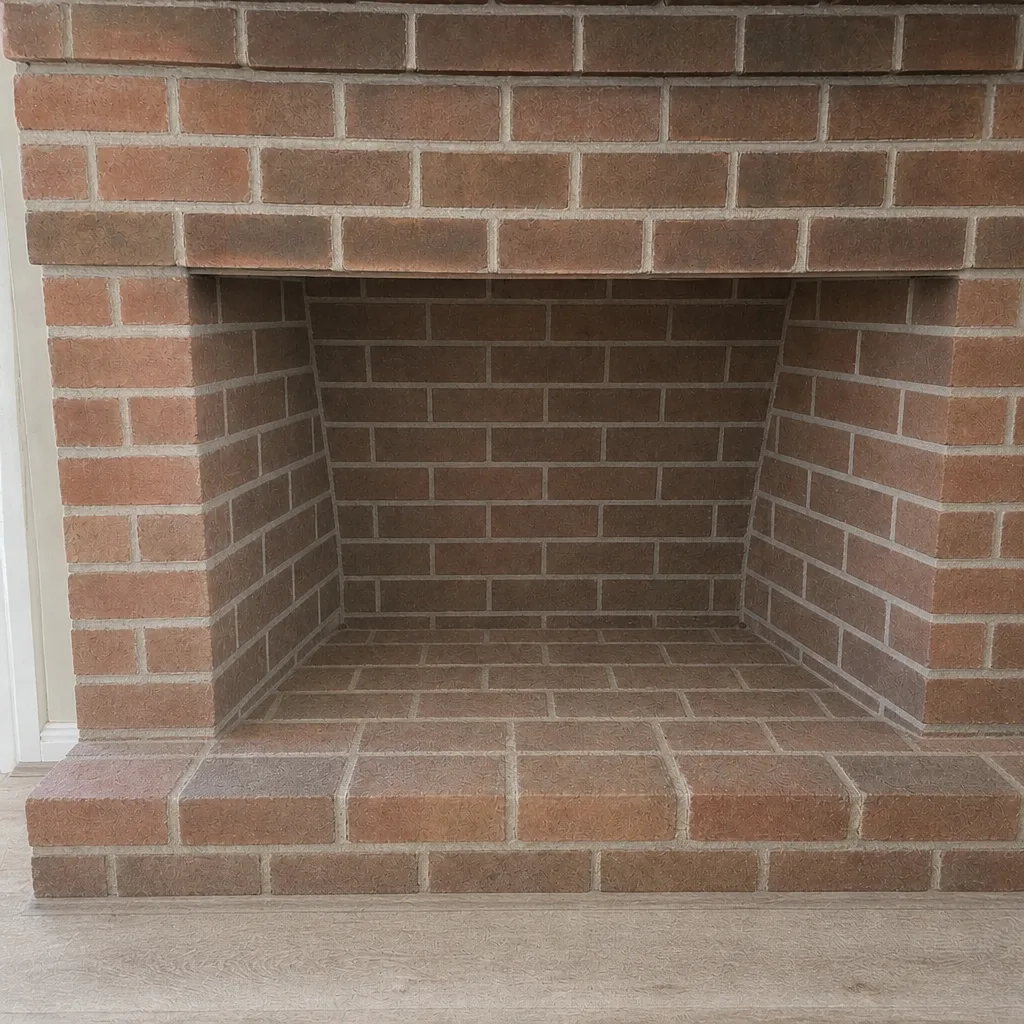
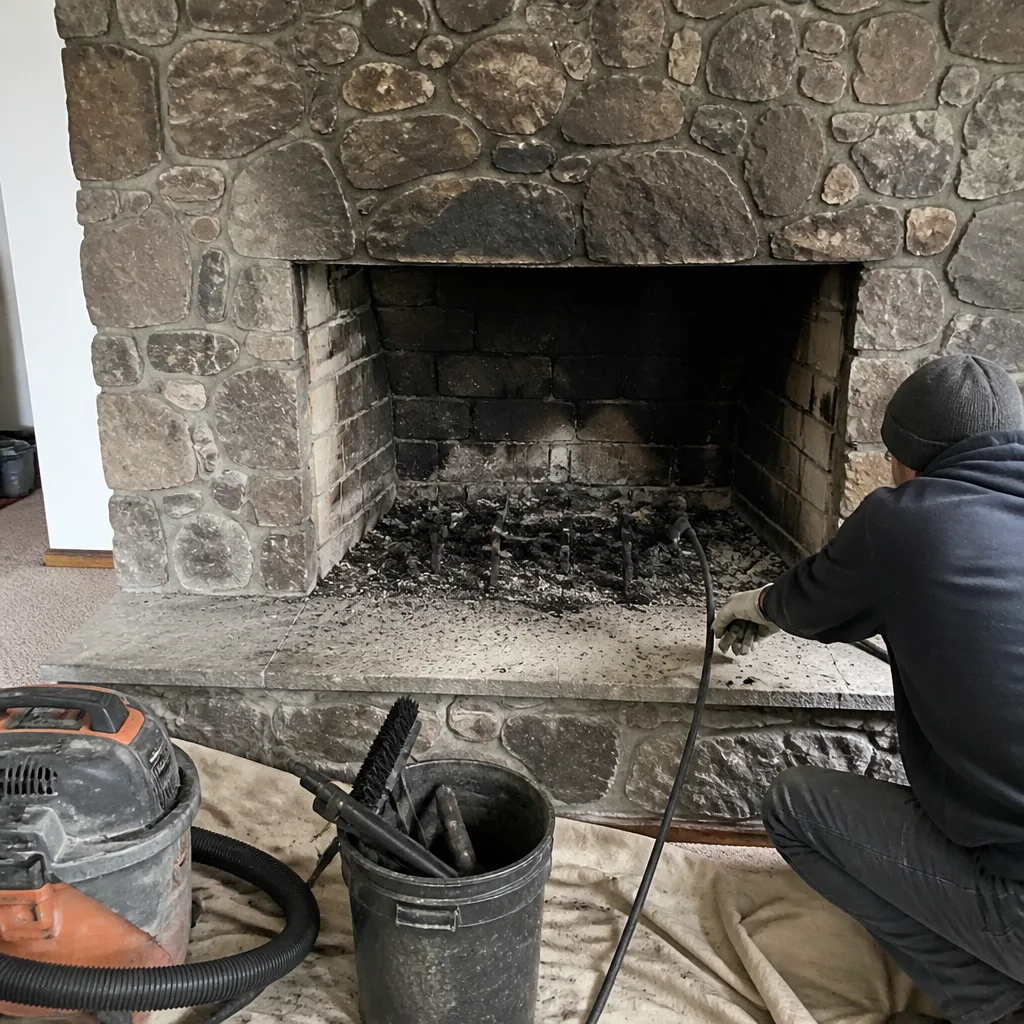
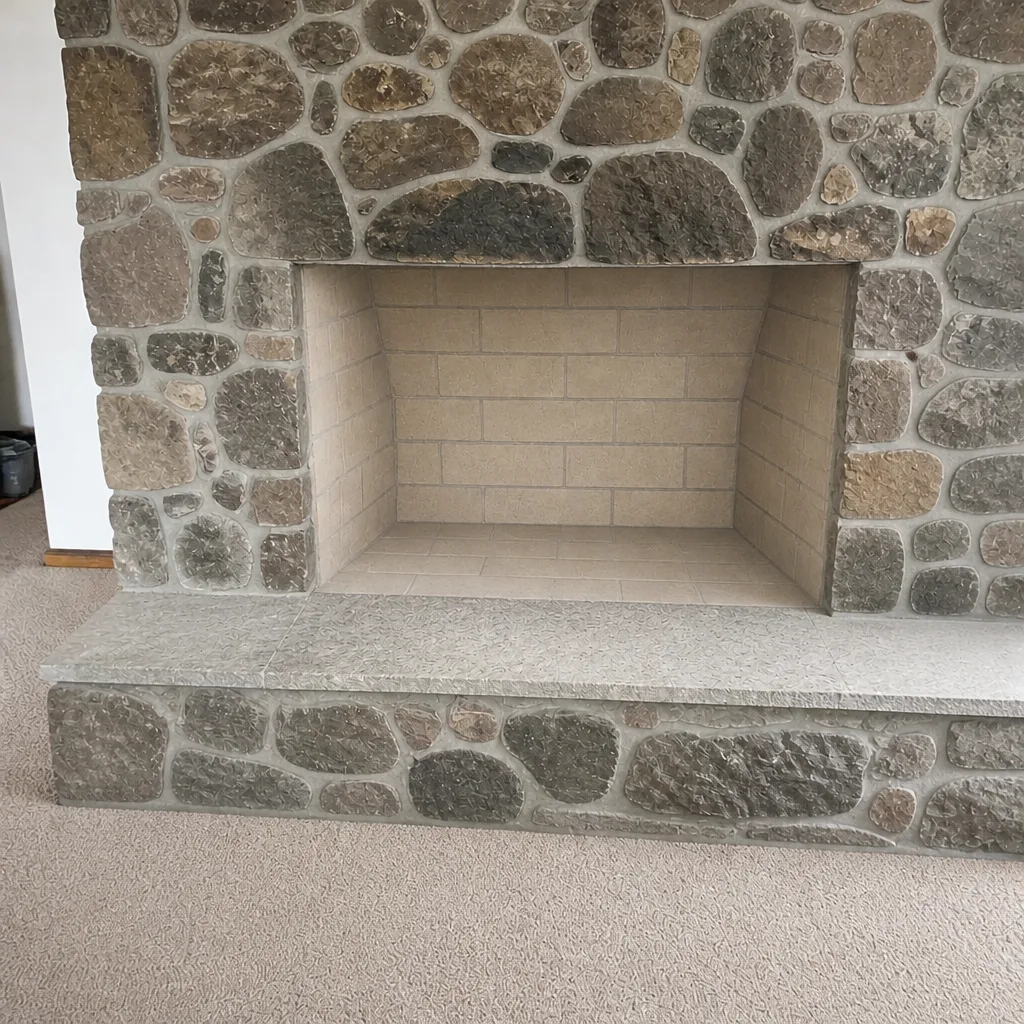
See the difference
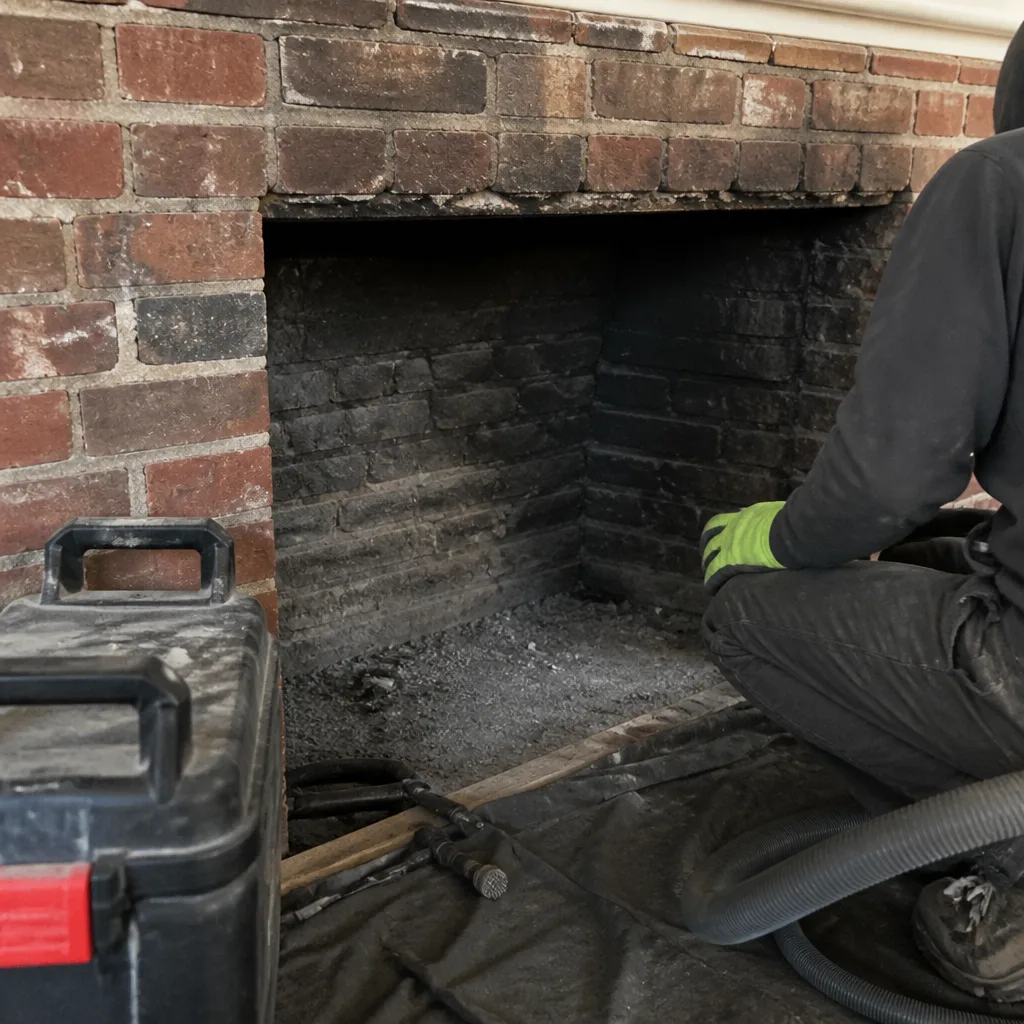 Before
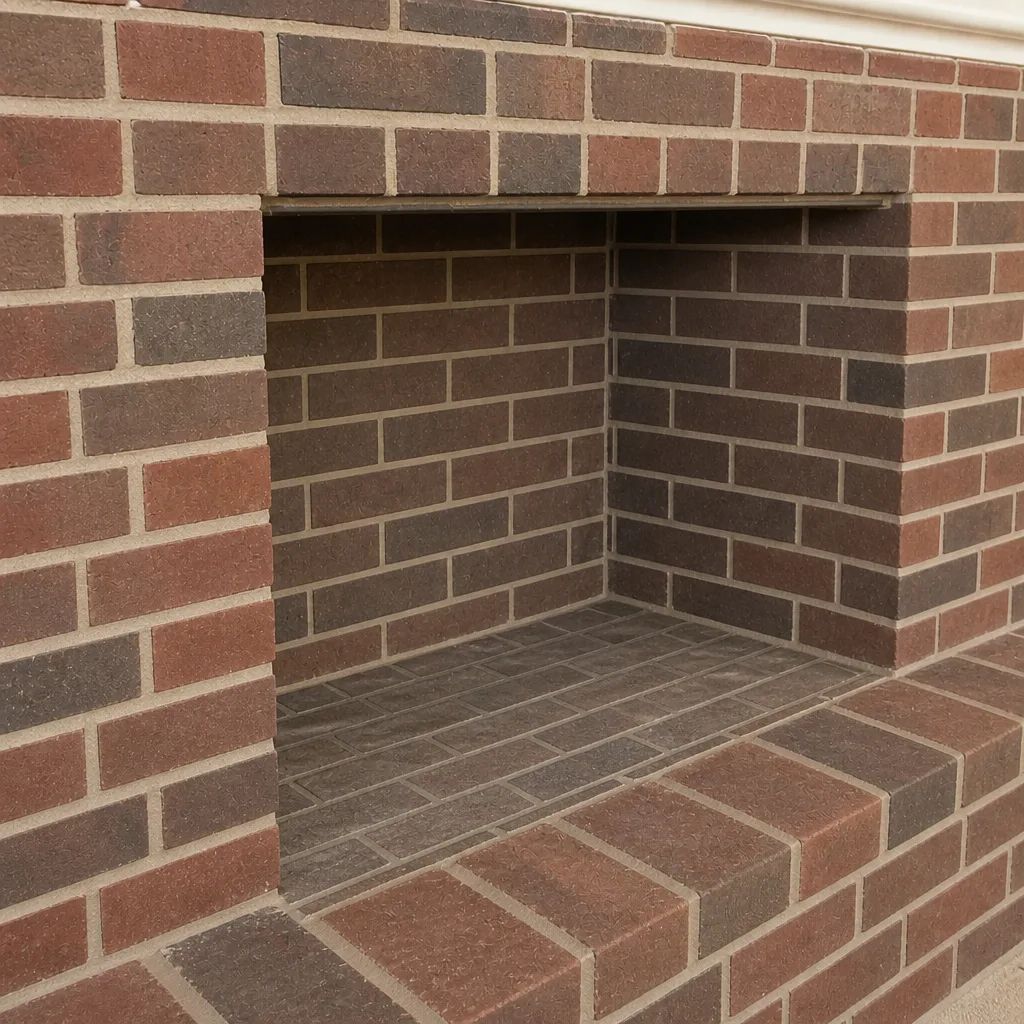 After
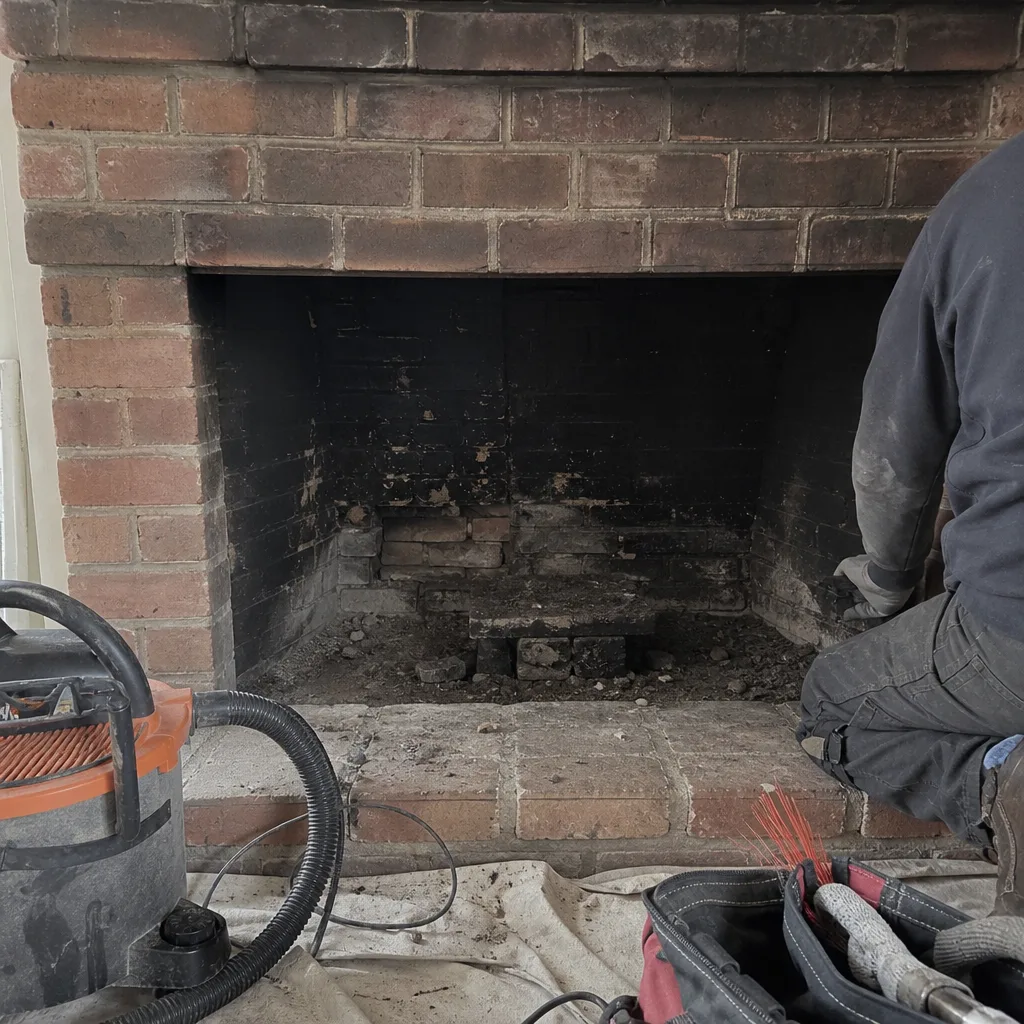 Before
 After
 Before
 After
When to Call a Professional
Some situations are clearly professional-only: a chimney fire, a liner that’s been confirmed damaged, a smoky firebox that doesn’t draw, mortar below the flue on the exterior, a crown with visible cracking, a sale or purchase in the next twelve months, or switching fuel types on an existing appliance. In those cases the work involves altering the venting system or evaluating it to a documented standard, and the permit and inspection rules apply directly. In South Hill, South Hill Chimney Sweep offers free estimates – call (833) 509-5329. We answer 24/7. Fast dispatch from 7am to 7pm, Sunday through Friday.
Frequently Asked Questions
No. Routine chimney cleaning in South Hill doesn’t require a permit because it doesn’t alter the structure of the chimney. A sweep removes creosote and debris and, when combined with an inspection, evaluates condition. A permit becomes part of the conversation the moment the work involves a structural change – a liner, crown, flue, or firebox. Call (833) 509-5329 for an exact quote on a sweep – estimates are free.
Yes. A liner replacement changes the flue specification and generally requires a permit through Pierce County. The new liner has to meet current code, and the county inspects the completed work as part of the permit. That’s also why the contractor should pull the permit rather than the homeowner. Call (833) 509-5329 if you need the scope of work reviewed before you commit to a repair.
Chimney sweeping is typically done annually, when buildup reaches a level that warrants removal, and it’s paired with an inspection. In a South Hill home that burns wood through the fall and winter, annual is the working baseline. If you burn frequently or the chimney hasn’t been swept in more than a year, an assessment should come before the next fire. Call (833) 509-5329 to book a sweep – estimates are free.
Skipping the sweep allows creosote to accumulate in the flue, and creosote is what fuels chimney fires. A compromised flue also lets combustion gases back into the home instead of venting them up and out. The precise point at which it becomes urgent depends on how much you’ve burned and the condition of the liner. Call (833) 509-5329 to have an inspection show you where things stand – estimates are free.
Yes. NFPA 211 requires a Level 2 inspection at a property transfer, so a buyer will typically ask for one, and it’s the seller’s responsibility to provide it. Doing the inspection proactively, well before the listing timeline, gives you time to address any findings without closing pressure. Call (833) 509-5329 to schedule a Level 2 – estimates are free.
A sweep removes creosote and debris. An inspection evaluates the condition of the chimney system – the flue, liner, damper, crown, and cap – and documents it. A sweep without an inspection is cleaning without information, which is why we do the camera scan as part of an assessment when it applies. Call (833) 509-5329 with questions about which one you need – estimates are free.
The Bottom Line
The line between maintenance and permitted work comes down to whether the chimney’s structure is being altered. Sweeping and inspection are maintenance and need no permit. Liner work, crown rebuilds, and firebox changes do. A Level 2 inspection is required at sale, after a fire or earthquake, and after a fuel change – not just recommended. And the paperwork you collect at completion is what protects you later, whether you’re selling in two years or in a decade. Chimney work done right the first time saves the cost of doing it twice; the documentation is what makes “done right” visible.
If you’d like an assessment of your South Hill chimney – sweep, inspection, repair, or the full system from firebox to crown – call South Hill Chimney Sweep at (833) 509-5329 for a free estimate. We answer 24/7. Fast dispatch from 7am to 7pm, Sunday through Friday.
Written by the team at South Hill Chimney Sweep.