
Last updated November 25, 2026
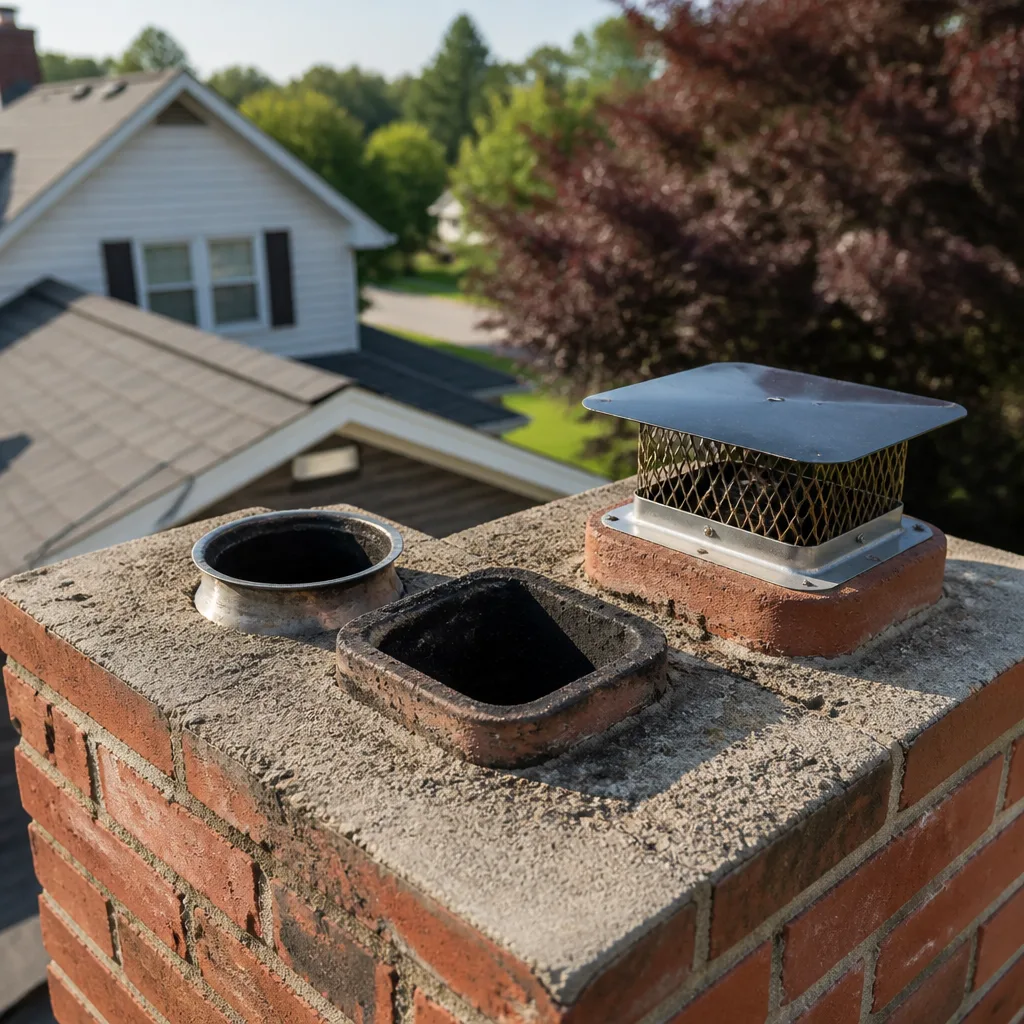 Sweep & inspection
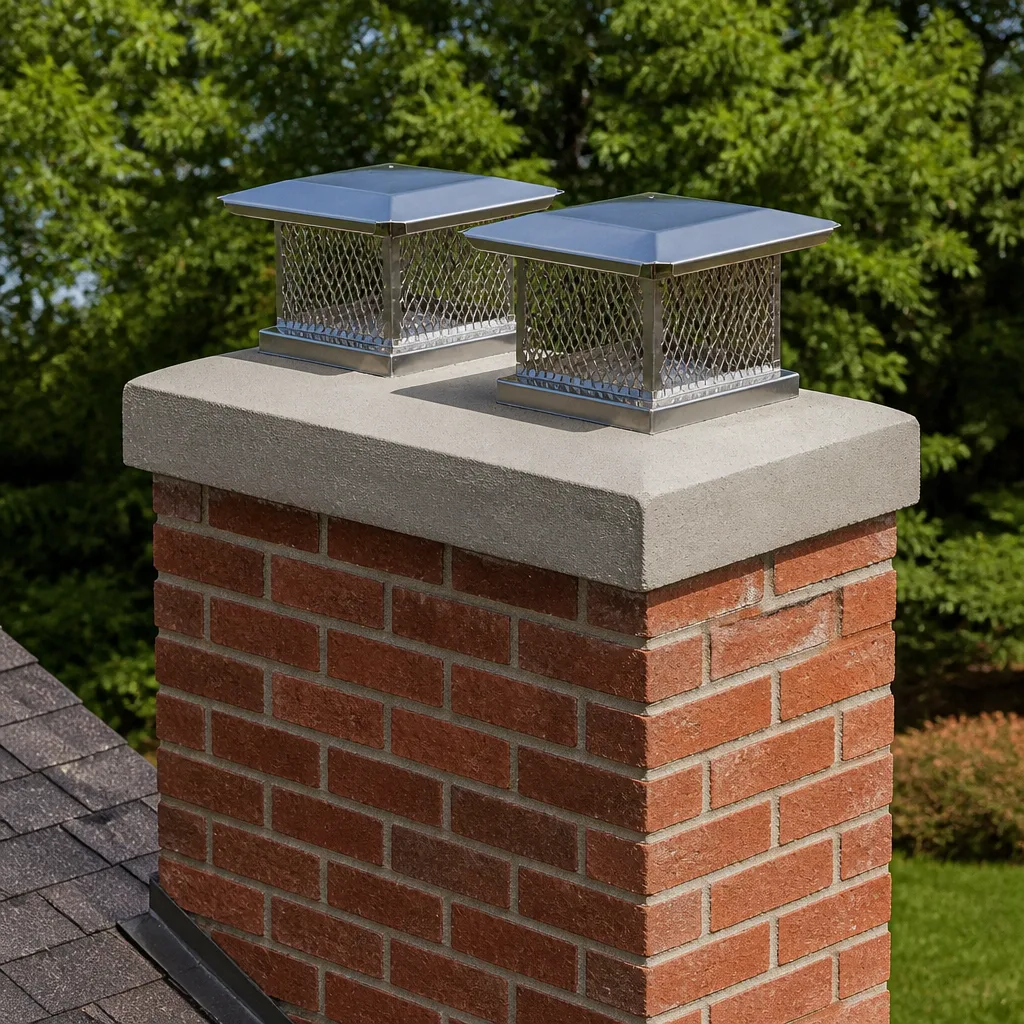 Caps & crowns
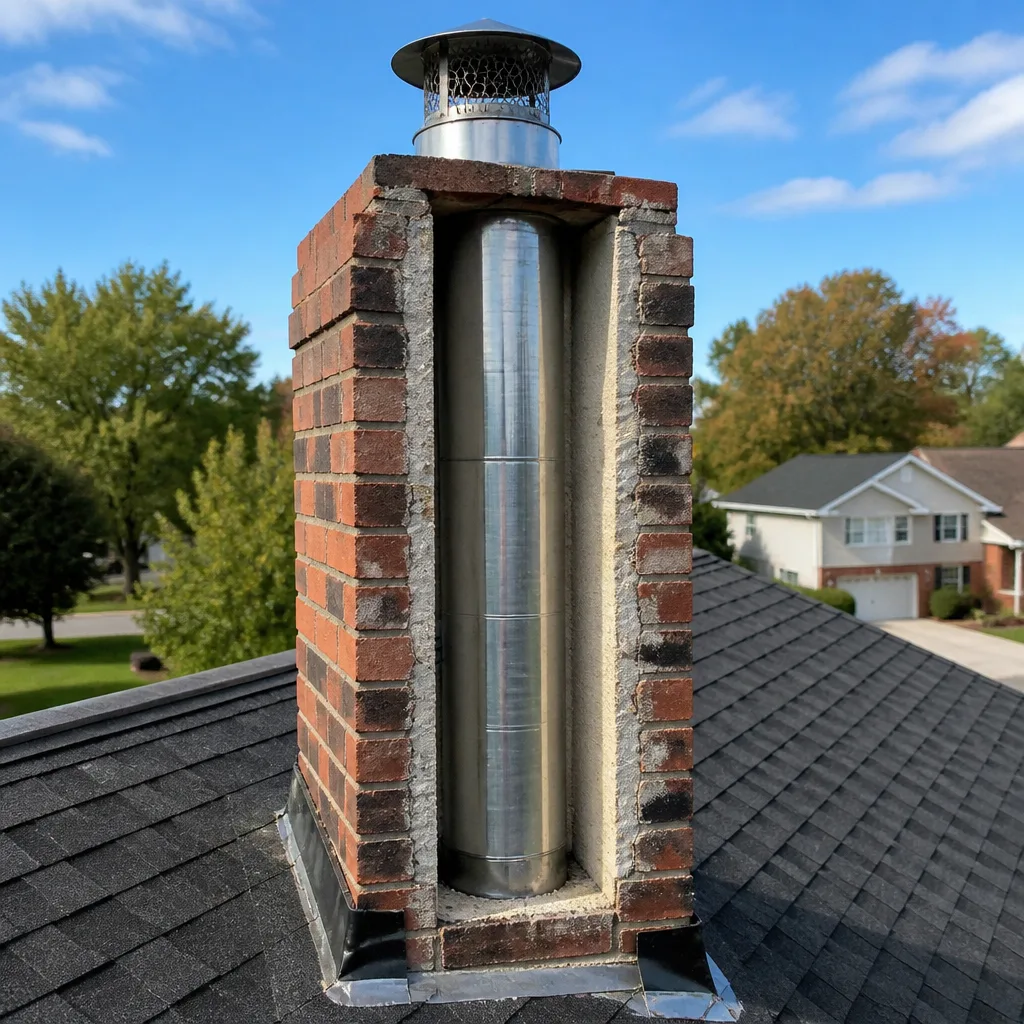 Flue relining
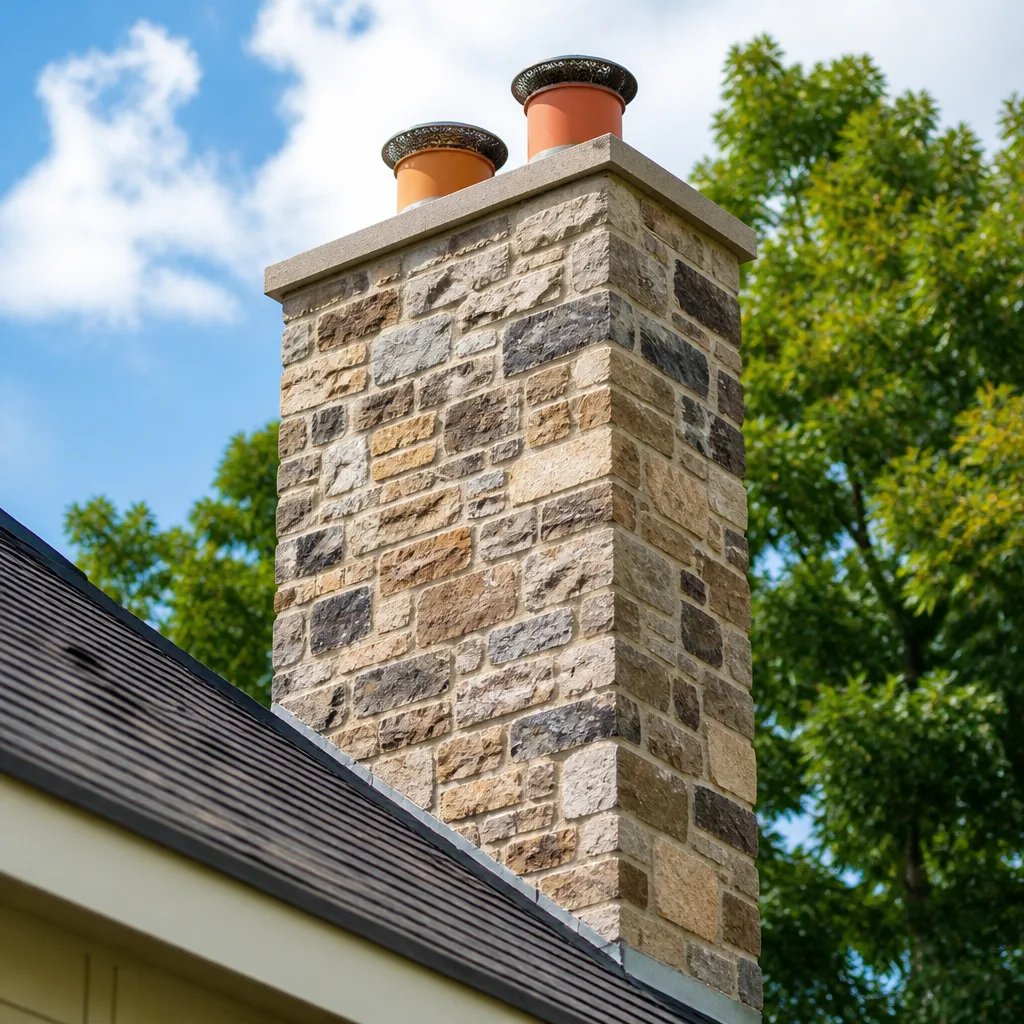 Masonry repair
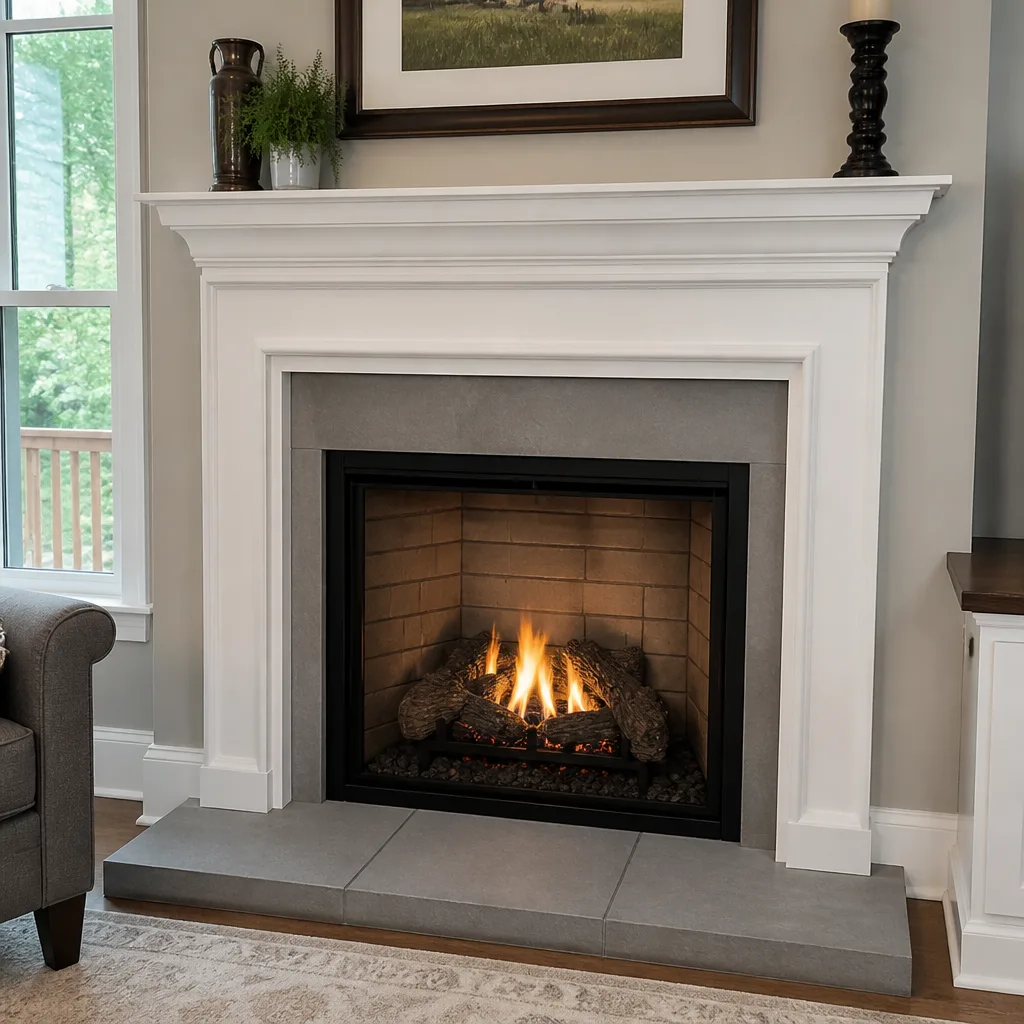 Gas fireplace service
Level 1 sweep and inspection to the NFPA 211 annual standard - flue, crown, cap, and flashing checked and photographed
Chimney sweep logs do not sweep chimneys. They loosen some creosote - which then falls where a brush and vacuum still have to collect it.
Chimney Cleaning Cost Breakdown: The South Hill Homeowner’s Reference for 2026
A $79 chimney sweep and a $249 chimney sweep can both be fair prices. They’re just for completely different things, and the invoice won’t always tell you which one you got. That’s the odd part of shopping for chimney cleaning in South Hill: the label is identical across every quote you’ll collect, but the scope behind it isn’t. One company brushes the flue and leaves. Another sweeps, documents the interior with a camera, checks the crown from the roof, and hands you a written report with photos. Same words on the proposal. Very different work. This reference breaks cleaning and the add-ons around it into line items, so you can compare what’s actually being offered rather than two numbers sitting side by side on a page.
Quick Answer
A standard chimney sweep in South Hill with a basic visual check typically runs $150 to $280 in 2026. Add a documented Level 1 inspection and the range moves to roughly $200 to $350. A Level 2 video inspection pushes the total to $300 to $500, and structural work like a crown rebuild or liner relining is quoted separately because it’s a repair, not cleaning. The written estimate sets the final price, and we don’t recommend a dollar of repair work you can’t see for yourself on camera.
Styles & brands we work with
- Sweep & inspection
- Caps & crowns
- Flue relining
- Masonry repair
- Gas fireplace service
Table of Contents
- What Do You Actually Get for the Money? The Line-Item Breakdown
- Level 1 vs. Level 2: What “Inspection Included” Really Means
- Structural Add-Ons: Crown, Cap, and Liner Pricing in the South Hill Market
- Why Sweep Pricing Has Climbed in Western Washington
- How to Read a Chimney Quote Line by Line
- Five Questions to Ask Before You Accept a Low Quote
- How Often Does a South Hill Chimney Actually Need Sweeping?
- Best Time to Book in South Hill
What Do You Actually Get for the Money? The Line-Item Breakdown
Most chimney cleaning prices in South Hill break into three tiers, and the difference between them is what happens after the brush comes out of the flue. Here’s how the market typically reads in 2026:
- Sweep only: $150 to $220. Brush and vacuum the flue, clear the firebox, remove creosote and debris. Some companies will glance up the chimney and tell you it “looks fine.” No report, no photos.
- Sweep plus Level 1 inspection: $200 to $350. The sweep, plus a documented visual inspection of accessible components: firebox, damper, flue, cap, crown, and the exterior where visible. You get a written summary of condition, not just a handshake.
- Sweep plus Level 2 video inspection: $300 to $500. Everything above, plus a camera run through the flue to check for cracks, gaps in the liner, offset joints, and hidden creosote glazing. Standard when you’ve had a chimney fire, bought a home, changed fuel type, or the chimney has never been scoped.
Those are estimates for typical single-flue residential chimneys. A tall chase, a multi-flue masonry stack, or a heavily glazed flue from seasons of unseasoned wood all add labor, which is why the written estimate matters more than any published range. When we quote a chimney sweep in South Hill, the sweep price is agreed before we book, and nothing gets added on the day without your say-so.
Here’s the part that trips people up. That $79 ad you saw online? It’s almost always a sweep-only tier sold as a door-opener, with the inspection quoted separately once the technician is already in your living room. Some companies are upfront about that. Some aren’t. We’d rather you know the difference going in than find it on the invoice.
Level 1 vs. Level 2: What “Inspection Included” Really Means
“Inspection included” is the single most misleading phrase in chimney pricing. It can mean a technician crouched at the firebox with a flashlight for ninety seconds, or it can mean a documented, photo-supported assessment of every accessible part of the system. Both get called an inspection. Only one gives you something to keep.
The trade separates these into levels, and it’s worth knowing what each one actually covers:
- Level 1: A visual check of readily accessible components with the chimney in normal service. Firebox, damper, the visible portion of the flue from the firebox and from the top, cap, crown, and flashing. This is the standard companion to an annual sweep.
- Level 2: Everything in a Level 1, plus a video scan of the flue interior. Required in the trade whenever the conditions of use change: a new appliance, a fuel switch, a chimney fire, a home sale, an earthquake, or a known or suspected problem. This is where cracks, separated liner joints, and hidden creosote live.
- Level 3: Diagnostic and invasive. Reserved for when a Level 2 turns up something that has to be opened up to assess, like removing a section of crown or cutting into a chase. Quoted case by case.
If a South Hill quote says “inspection included” without a level, ask which one and whether you’ll get a written report with photos. A Level 1 with a proper written summary is genuinely valuable. A “quick look” masquerading as a Level 1 isn’t, and you can’t tell from the price alone.
In our experience, the homeowners who feel best about their chimney work are the ones who saw the camera screen. A chimney inspection isn’t a formality before the first fire of the season. It’s a liability check on a system that carries smoke and combustion gas out of your house, and you should be able to see what the technician sees. We’ll tell you exactly what we found and what it means before we quote a single repair, and the photo report comes with the visit either way.
Structural Add-Ons: Crown, Cap, and Liner Pricing in the South Hill Market
Cleaning and repair are two different invoices, and mixing them is where budget shock usually happens. A sweep gets the system ready to use. Structural work fixes what the sweep and inspection turned up. They’re priced separately because they involve different materials, different time, and often a return visit.
Here’s how the structural line items typically read in the South Hill market in 2026:
- Chimney cap replacement: $150 to $400 installed, depending on the cap and the flue configuration. A cap keeps rain, birds, and debris out of the flue. A missing or rusted-through cap is one of the cheapest fixes with the biggest long-term payoff.
- Crown repair or rebuild: $300 to $1,200. The crown is the concrete cap at the very top of a masonry chimney that sheds water off the stack. Hairline cracks can sometimes be sealed. A crown that’s crumbling, pulling away from the flue, or holding water needs rebuilding, and that’s a masonry job that has to be shaped to actually shed water.
- Relining with a flexible stainless system: $2,500 to $6,000 for a typical single-story flue, more for complex runs. This is where DuraFlex flexible liner systems come in. They let us line an aging or damaged flue to code compliance and restore draft without full demolition of the chimney.
- Flue resurfacing with HeatShield: $1,800 to $4,500, depending on flue size and condition. HeatShield is a resurfacing and restoration process applied to deteriorating flue interiors, and it’s a specialized capability that sweep-only companies don’t offer.
Those numbers are estimates for typical jobs. A taller chimney, an offset flue, or a masonry stack that needs work before any liner goes in will move them. The point is this: cap and crown work addresses water intrusion, which is the leading cause of long-term chimney structural damage. Water gets in through a cracked crown or an uncapped flue, freezes, thaws, and quietly works mortar joints loose over a few seasons. Catching it at the cap-and-crown stage is far cheaper than catching it after the flue interior has started to go.
And here’s the honest part. Not every item on that list needs to happen the day it’s identified. A sweeps-and-inspection visit that turns up a slightly worn cap is a “we’ll do that when it fits your budget” conversation, not an emergency. A flue with cracked liner tiles and a draft problem is a different story. We’ll tell you which category you’re in and why. Where the repair calls for a liner or resurfacing, the local pros we connect you with work with professional-grade brands like DuraFlex and HeatShield because that’s the professional standard for a job that has to hold up inside a flue. If the work is chimney repair of the structural kind, it gets quoted on its own, in writing, with the evidence attached.
Why Sweep Pricing Has Climbed in Western Washington
Sweep prices in South Hill have crept up over the past several seasons, and it’s worth understanding what’s actually driving the number so you can tell a legitimate increase from a padded quote. A few things are at work.
Material costs have moved. Stainless liner systems, caps, crown mix, and the brushes and rods themselves all cost more than they did a few years ago, and those costs show up in the price of every job, cleaning included. Labor costs in Western Washington have followed the same curve. A qualified chimney technician is skilled trade labor, and the market for it is tight.
Equipment and standards have also shifted. A modern sweep isn’t a brush on a pole. It’s a vacuum-assisted system that keeps the dust in the machine instead of your living room, plus camera equipment for Level 2 work, plus the documentation that goes with it. Homeowners increasingly expect a written report and photos, and delivering that takes time.
Then there’s the local housing stock. South Hill has a lot of homes with masonry fireplaces and older chimneys, and many of them have had a wood insert or gas appliance added over the years. Those configurations take longer to sweep and inspect properly than a plain open fireplace. A technician who rushes them is trading your thoroughness for their schedule, and the price difference between a rushed job and a careful one usually isn’t as big as the invoice suggests.
None of that makes a $400 sweep reasonable for a simple single-flue chimney. It does explain why a fair price today isn’t the price you remember from several years back, and it gives you a frame for judging a quote. If a South Hill quote seems unusually low, the question worth asking is what scope got trimmed to get there.
How to Read a Chimney Quote Line by Line
A chimney quote should read like a scope of work, not a single number. Here’s what a well-built one includes, and what to look for when you’re comparing two or three side by side.
- The sweep scope. Does it say firebox, flue, and smoke chamber are all cleaned? A quote that just says “sweep” may not cover the smoke chamber, which collects creosote too.
- The inspection level. Level 1, Level 2, or none. If it’s not stated, assume none.
- Whether a report is included. Written summary and photos, or verbal only. Verbal means nothing to refer back to later.
- What’s excluded. A clear quote says what it does not cover. Cap work, crown work, and any repair should appear as separate line items, not lumped in.
- The agreed price before booking. A flat price agreed up front beats an hourly rate. A written estimate is what sets the final price.
- The access and protection plan. Drop cloths, a vacuum-assist system, and a plan for getting to the roof and the firebox without tracking soot through the house.
- The follow-up. If a repair is recommended, is there a photo or a camera walk-through that shows you why?
When you have two quotes in front of you, line them up against those seven items before you compare the totals. In most cases where a $79 sweep and a $249 sweep are both legitimate, the seven items will show you exactly why the numbers differ, and the cheaper one will usually be missing several. That’s not automatically a bad deal. It’s just a different product.
Comparing line items this way also protects you from the opposite problem, which is a quote that stacks every possible add-on onto a routine cleaning. If a South Hill quote wants to reline a flue that’s never been scoped, ask to see the evidence. Any honest company will show you the photos or the camera footage. If they can’t, the repair can wait until someone can.
Five Questions to Ask Before You Accept a Low Quote
A low price isn’t a red flag on its own. A low price with a vague scope is. These five questions will tell you which one you’re looking at, and any legitimate company will answer them without hesitation.
- What exactly does the price cover? Ask for the scope in writing: sweep, inspection level, report, or all three. If the answer is “a standard cleaning,” ask what standard means in their workflow.
- Is the inspection a documented Level 1 with photos, or a visual look? Both are fine, but you should know which one you’re paying for and whether you’ll have a record afterward.
- Is the price flat and agreed before booking, or does it change on site? A flat price agreed in advance tells you the technician saw the scope correctly. A price that “depends” after arrival is how a cheap quote turns into a big invoice.
- What happens if the sweep turns up a problem? Ask whether the recommended repair comes with photos or camera evidence you can review, and whether it’s quoted separately from the cleaning.
- Who does the work, and are they licensed and insured as required in this state? The local professionals we connect you with are licensed and insured as their state requires, and you should never accept less from anyone.
Ask those five questions and the comparison gets simple. The companies that answer clearly are competing on scope. The ones that dodge are competing on sticker price and making up the difference somewhere you can’t see.
How Often Does a South Hill Chimney Actually Need Sweeping?
Once a year is the working rule for a chimney in regular use, and it’s a good default for most South Hill homes with a wood-burning fireplace. But the honest answer depends on how much you burn, what you burn, and how the flue is configured.
If you light fires a few times a week through the heating season, an annual sweep catches creosote before it builds to the point where it matters. If you burn heavily through the winter, or you’re running an older appliance that doesn’t draft as cleanly as a modern one, once a year is the minimum and a mid-season check may be worth it. A gas fireplace has its own service needs, different from a wood-burning one, and still benefits from an annual look. Some configurations, like short chimneys or flues that draft poorly, build up faster.
The practical test is the flue itself. A quarter-inch of creosote is the usual threshold for calling for a sweep. Glazed, tar-like creosote is a harder problem that a standard brush won’t remove, and that’s where a Level 2 inspection earns its cost. You can’t judge creosote depth from the firebox floor, which is why the annual visit matters: it’s not about a fixed calendar so much as catching buildup before it hardens into something more expensive to deal with.
One more consideration for South Hill homes: a masonry chimney that sits unused for a season or more still needs a look. Animals nest, the cap can fail, and moisture gets in. A chimney that hasn’t been swept in a few years should get a Level 2 rather than a plain sweep, because nobody knows the condition of the flue until someone looks at it with a camera. That’s not a scare tactic. It’s just the only way to know.
Best Time to Book in South Hill
The calm season to book a chimney sweep in South Hill is the stretch after the last fire of winter and before the fall rush. Booking early in that window means a better choice of visit times and no scramble before the first cold snap. Booking in the fall means waiting behind everyone else who remembered at the same moment.
There’s also a work-quality reason to avoid the rush. A fall chimney appointment squeezed between a dozen others is a rushed appointment, and rushed work is where corners get cut. If you’re in South Hill and your chimney hasn’t been looked at since last winter, book now rather than in the last week before burning season. If a problem turns up, you’ll have time to schedule the repair without pressure, and you’ll be able to plan the cost rather than absorb it all at once.
Early mornings or Sundays tend to be the easiest windows to plan around. Whatever time you book, the pricing works the same way: the estimate is free, the price is set per job by the written estimate, and there’s no premium tacked on for a convenient slot. That’s not a favor. It’s just how a fair price should work.
Common Mistakes to Avoid
- Comparing a number instead of a scope. A $79 sweep and a $249 sweep are often different products. Line up the scopes before you line up the prices. Otherwise you’re choosing between apples and a bag of apples that someone else already ate.
- Accepting “inspection included” without asking which level. A quick look from the firebox isn’t a Level 1 inspection, and it leaves you nothing to refer to later. Ask for the level and whether a written report comes with it.
- Skipping the camera because the sweep “looked fine.” A brush and a flashlight can’t see a cracked liner or a separated joint behind a bend. If you’ve had a chimney fire, moved into a new home, or the flue has never been scoped, a Level 2 is the honest check, not an upsell.
- Treating a recommended repair as urgent when it isn’t. A slightly worn cap can wait a season. A flue with cracked tiles and draft trouble shouldn’t. Ask which category you’re in, and don’t let anyone reframe routine maintenance as an emergency.
- Ignoring the crown and cap until water finds a way in. Water intrusion through a failed crown or an uncapped flue is the leading cause of long-term structural damage. Cap and crown work is cheap compared to the repair it prevents.
- Burning unseasoned wood to save a few dollars. Wet wood creates more creosote and more frequent sweeping, which eats the savings fast. Seasoned wood is the cheaper habit over a season.
- Waiting until the fall rush to book. The best time to schedule in South Hill is the quiet stretch before burning season. In the rush, you’re choosing from whatever’s left, and the visit gets squeezed.
See the difference
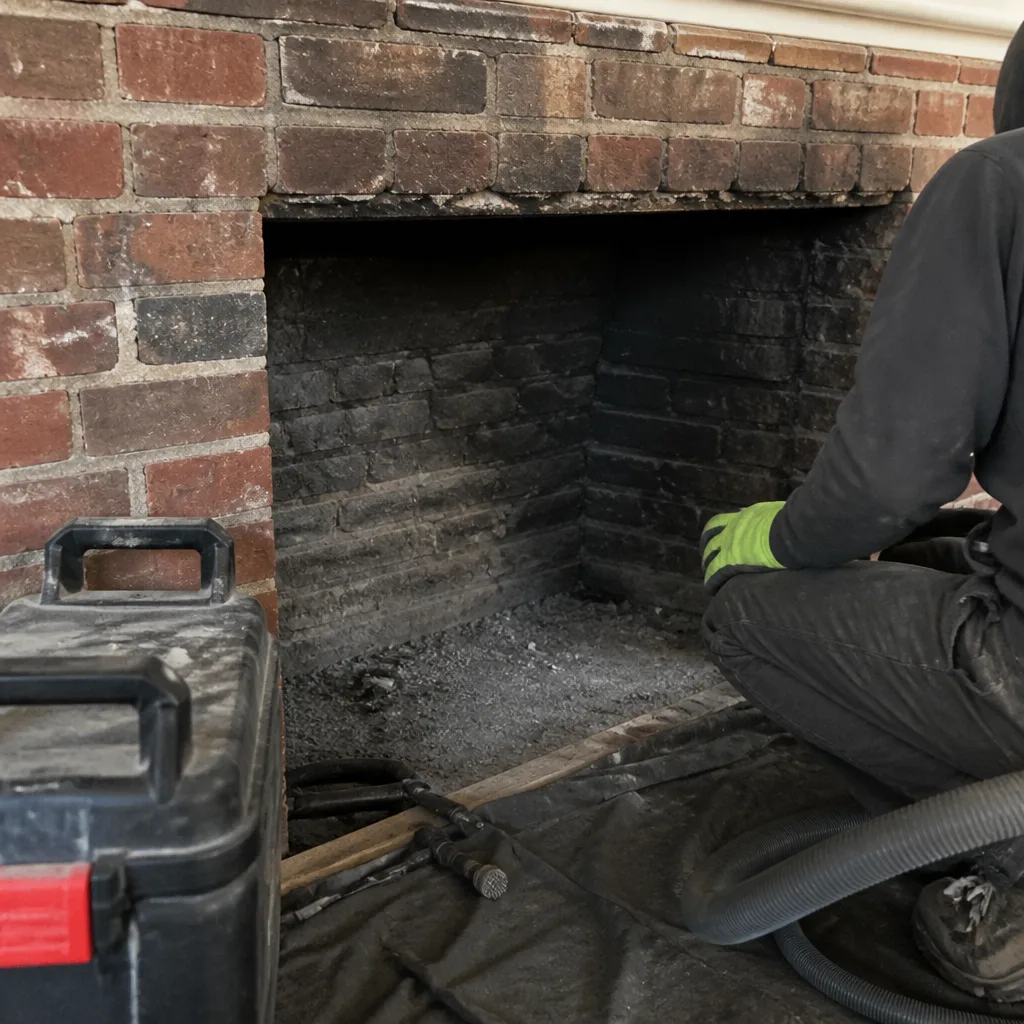 Before
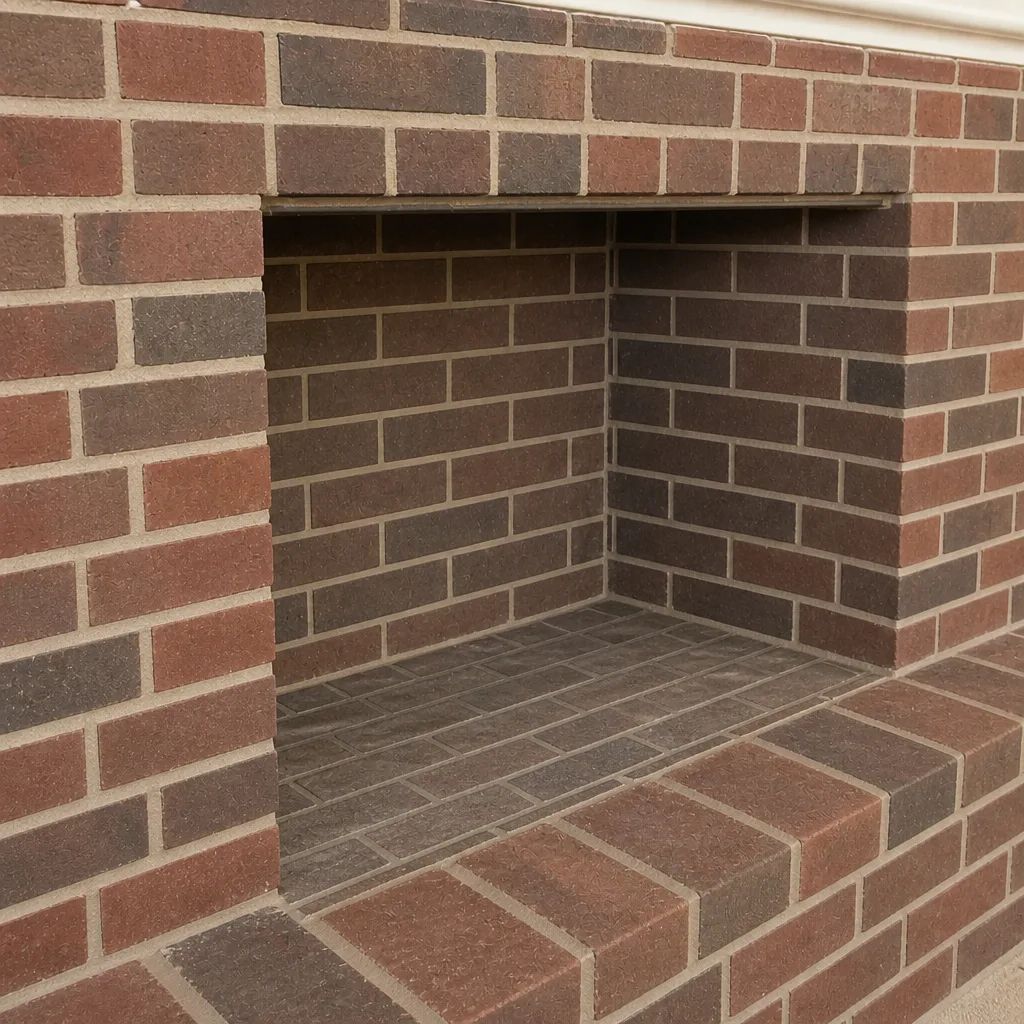 After
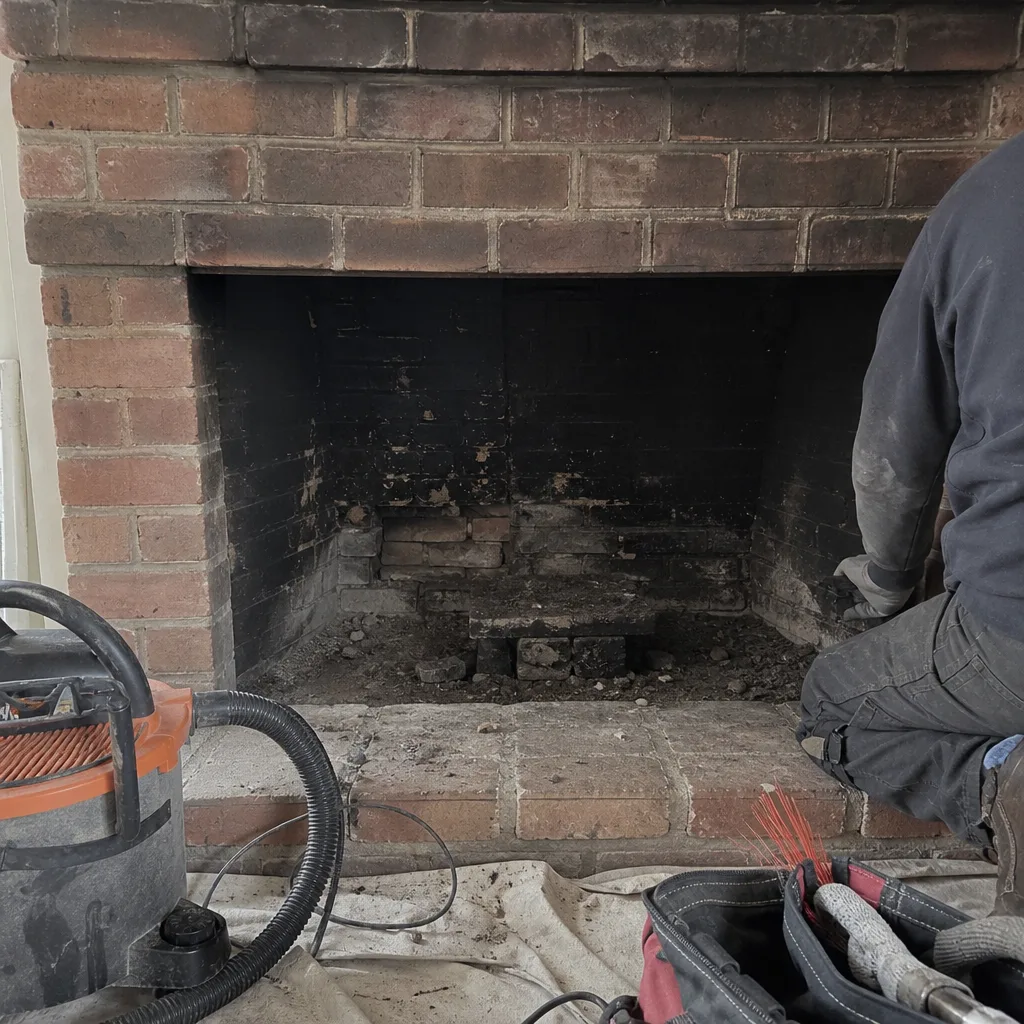 Before
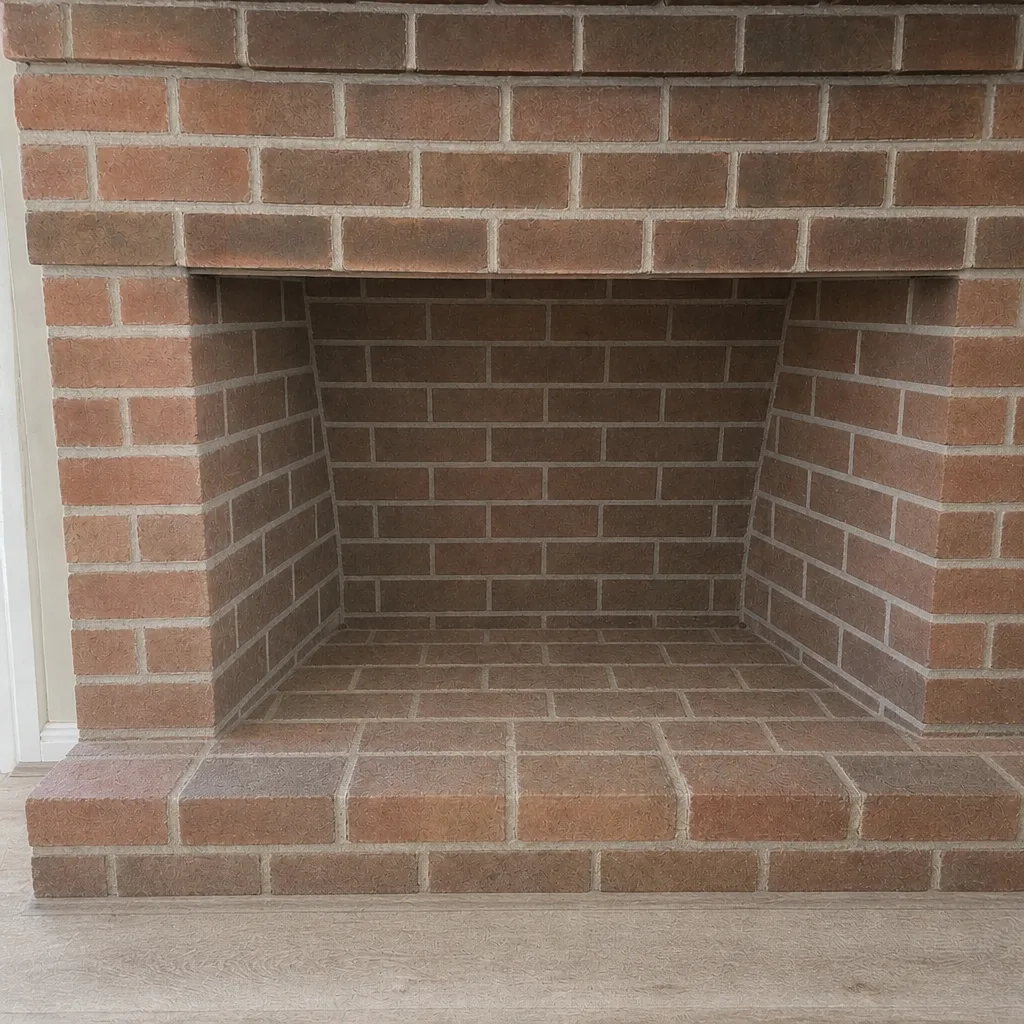 After
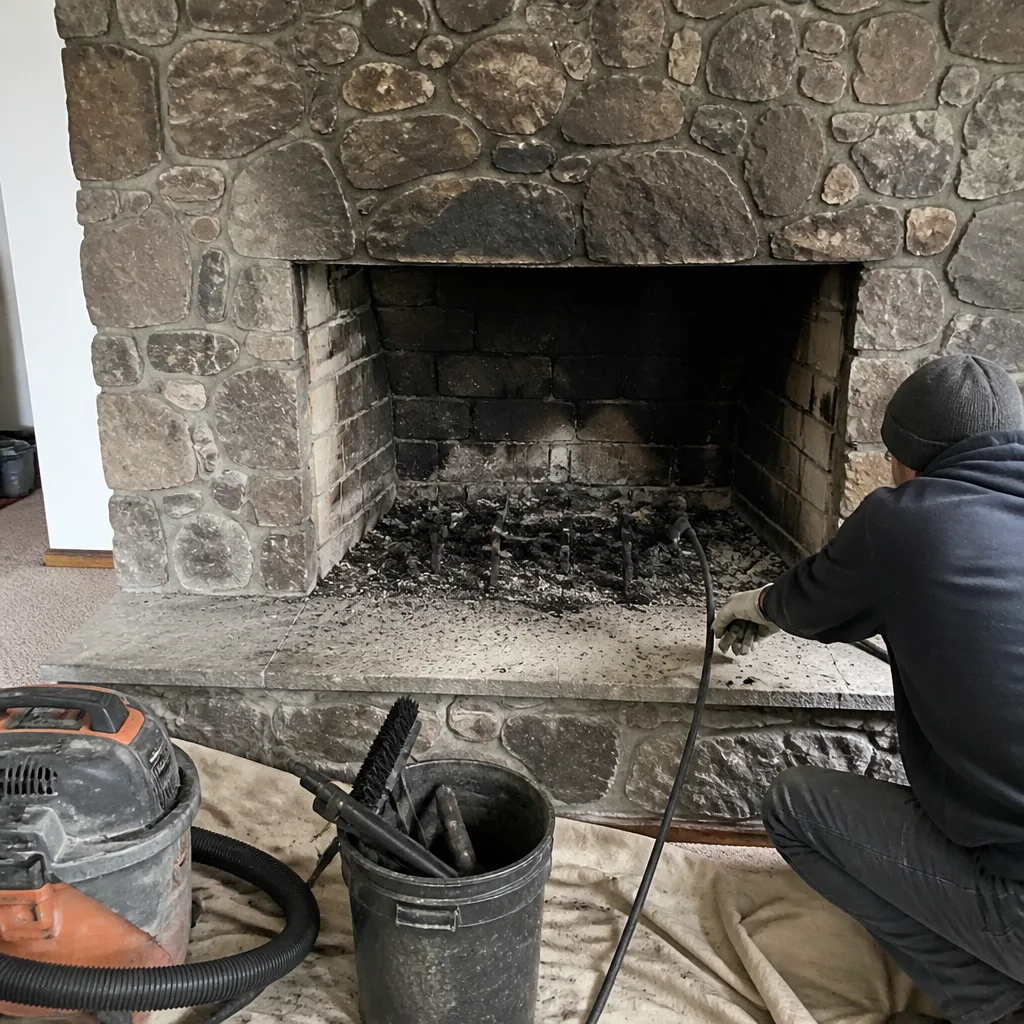 Before
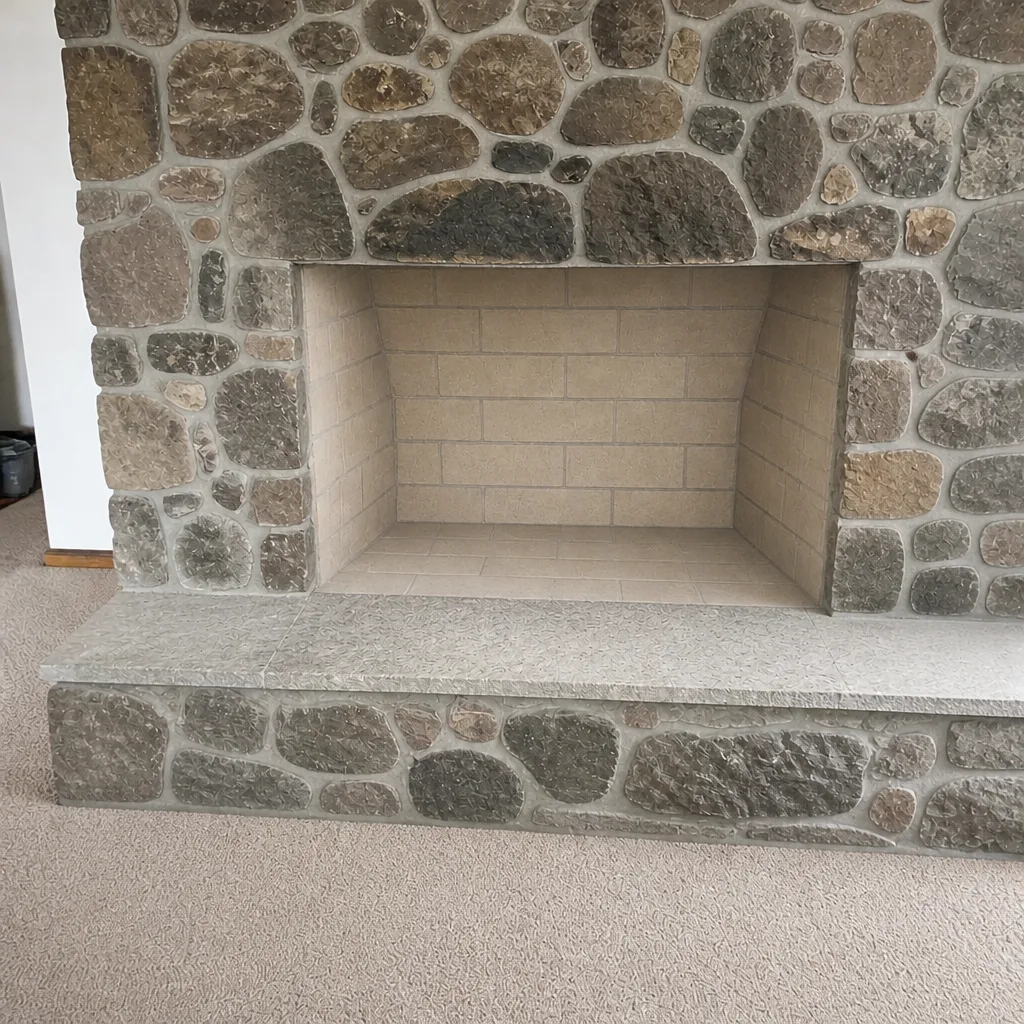 After
When to Call a Professional
Some chimney situations call for a trained technician rather than a homeowner with a flashlight. Any sign of a chimney fire, including a loud roar, a shower of black flakes on the roof, or a strong smell of smoke in the house after a fire, should be checked by a professional before the chimney is used again. Smoke backing into the room, a firebox that’s hard to light, or a fire that burns poorly can all point to draft or liner problems worth a camera look. Crumbling mortar on the crown, a cap that’s come loose, rust stains on the exterior, or water in the firebox after rain are structural signs. And any chimney that hasn’t been inspected in a few years deserves a Level 2 before you trust it with a fire. If you’re in South Hill, we offer free estimates on chimney work, and a sweep or inspection is the same call. Call (833) 509-5329. We answer 24/7. Fast dispatch from 7am to 7pm, Sunday through Friday.
Frequently Asked Questions
A standard chimney sweep in South Hill typically runs $150 to $280 in 2026, and a sweep with a documented Level 1 inspection runs about $200 to $350. A Level 2 video inspection pushes the range to $300 to $500. These are estimates for a typical single-flue home; the written estimate sets the final price. Call (833) 509-5329 for an exact quote, and estimates are free.
A Level 2 is a genuine need in specific situations: after a chimney fire, when you’ve bought a home, when the appliance or fuel type has changed, or when the flue has never been scoped. A camera is the only way to see cracks and separated joints inside the flue. In other cases a Level 1 is sufficient, and we’ll tell you which applies to your chimney. Call (833) 509-5329 if you’re not sure which one you need.
Once a year is the working rule for a chimney in regular use, though the honest answer depends on how much you burn and what the flue looks like. A quarter-inch of creosote is the usual threshold for a sweep, and glazed creosote needs more than a standard brush. A chimney that’s sat unused for a season or more should get a Level 2 rather than a plain sweep. Call (833) 509-5329 to book a visit and get an exact quote.
Creosote builds up and hardens into glazed, tar-like deposits that a standard brush won’t fully remove, and a flue with heavy buildup is a known fire risk because creosote is flammable. The interior can also develop cracks or separated liner joints that nobody has seen, and water intrusion through a failed cap or crown can quietly loosen mortar over a few seasons. None of that means every skipped sweep leads to a repair, but a cheap inspection catches the problem while it’s still small. Call (833) 509-5329 and we’ll quote you an exact price.
Material and labor costs have risen across the region, and modern sweeps use vacuum-assist equipment and camera tools that take more time and cost more to run than a brush on a pole. A written report and photos now come standard with a good visit, and that documentation takes time. A fair price today reflects that. A South Hill quote that looks unusually low is worth questioning on scope. Call (833) 509-5329 for a written estimate on your chimney.
Usually yes, and it’s often the sensible way to do it. Cap and crown work protects the top of the chimney from water intrusion, which is the leading cause of long-term structural damage. It’s quoted as a separate line item from the cleaning, so you’ll see the cost and can decide whether to do it now or wait a season. Call (833) 509-5329 for a free estimate on both.
The Bottom Line
Chimney cleaning prices in South Hill vary by a factor of three or more because companies are quoting different scopes under the same label. The fix is to compare line items, not just totals: sweep only, sweep plus Level 1, sweep plus Level 2 video. Structural work like crown, cap, and liner relining is a separate repair invoice, and it should come with evidence you can see before you approve it. Ask which inspection level is included, whether you get a written report with photos, and whether the price is flat and agreed before booking. Do that, and the $79 versus $249 question answers itself. When the repair turns out to be real, a full-lifecycle specialist handles it from the firebox to the crown using professional-grade materials, so you’re not handed off between companies. Call (833) 509-5329 for a free estimate. We answer 24/7. Fast dispatch from 7am to 7pm, Sunday through Friday. At South Hill Chimney Sweep, we’ll tell you exactly what we found and what it means before we quote a single repair. If you’ve noticed a smoky firebox or crumbling mortar, our fireplace repair team can take a look on the same visit.
Written by the team at South Hill Chimney Sweep.