
Last updated November 25, 2026
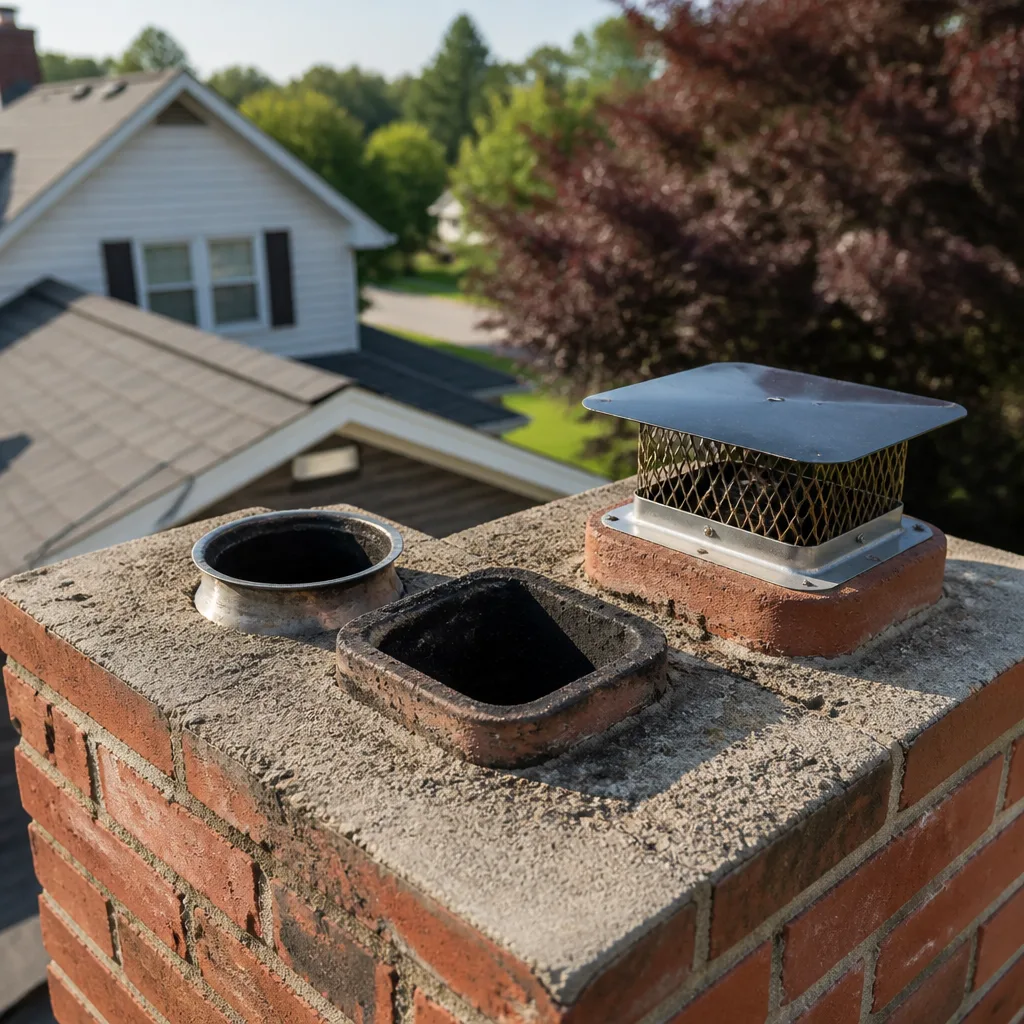 Sweep & inspection
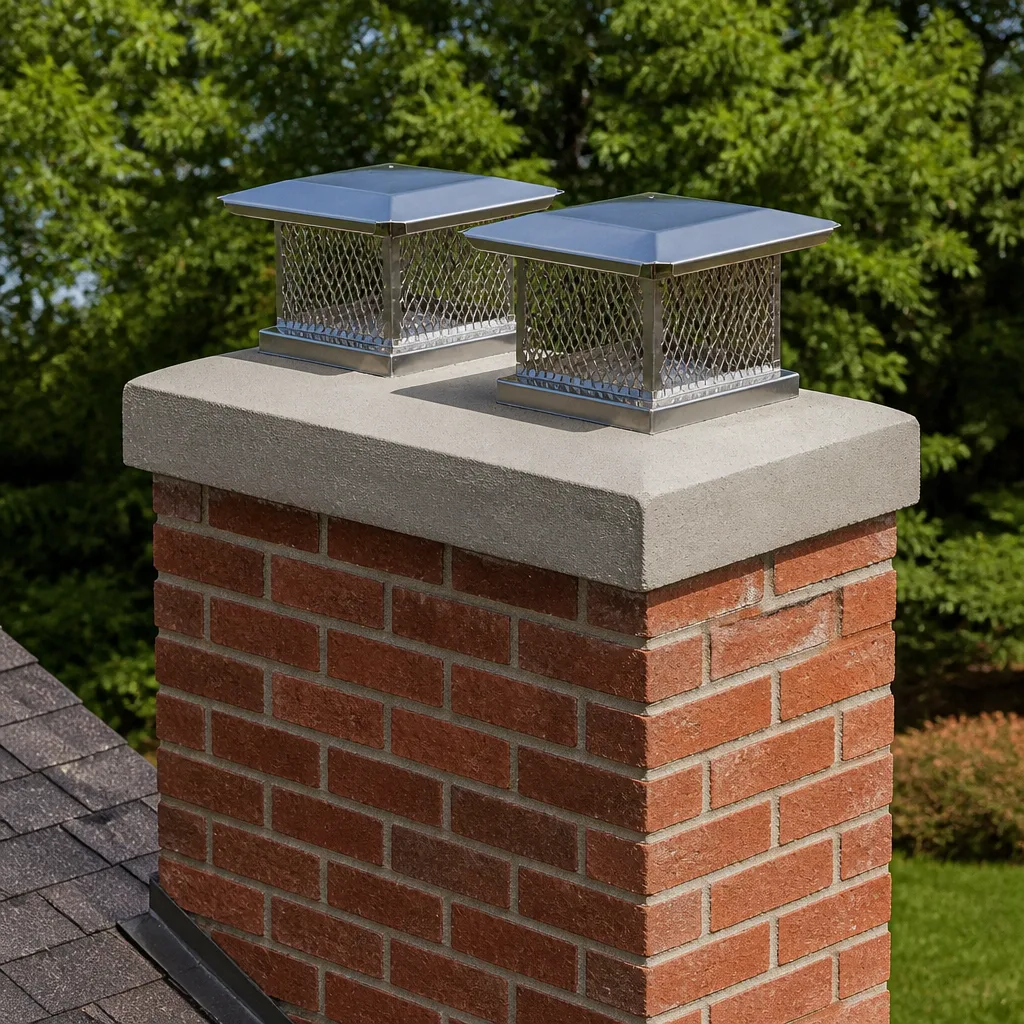 Caps & crowns
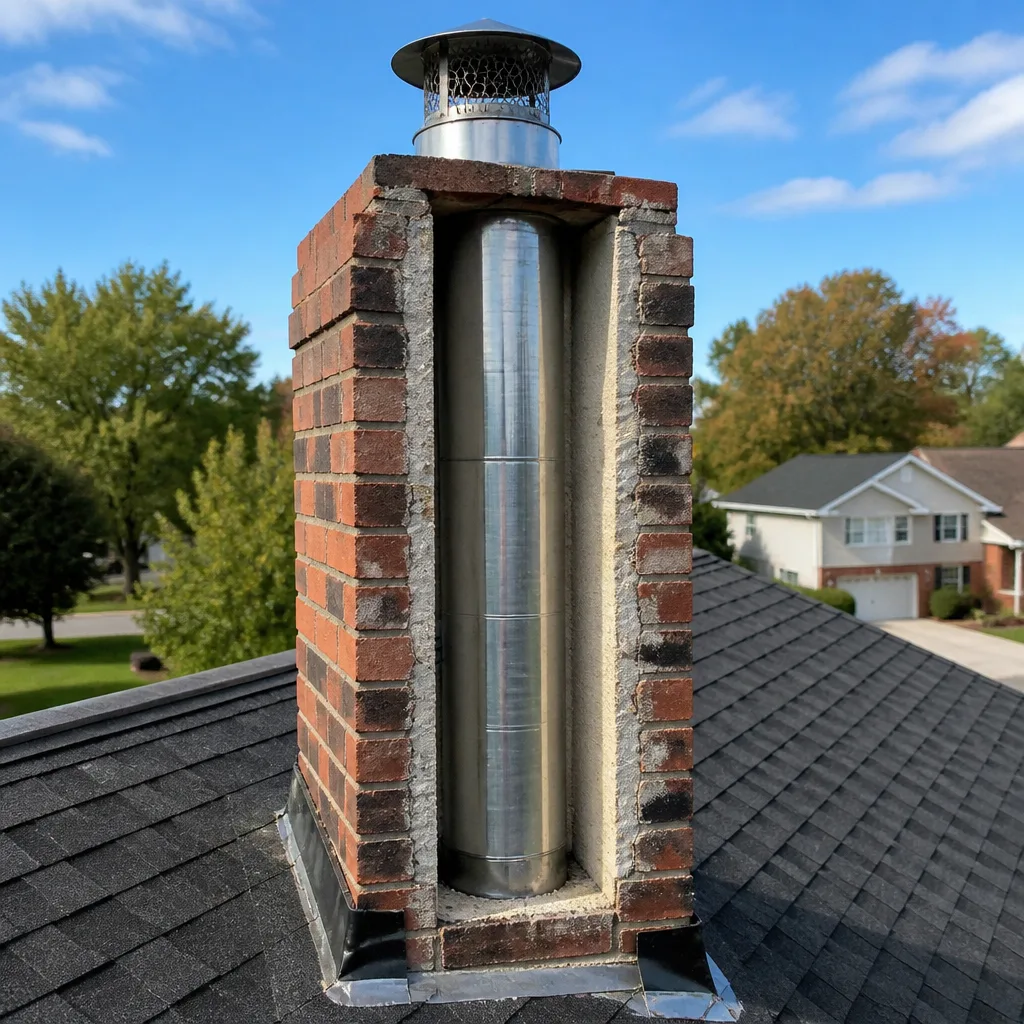 Flue relining
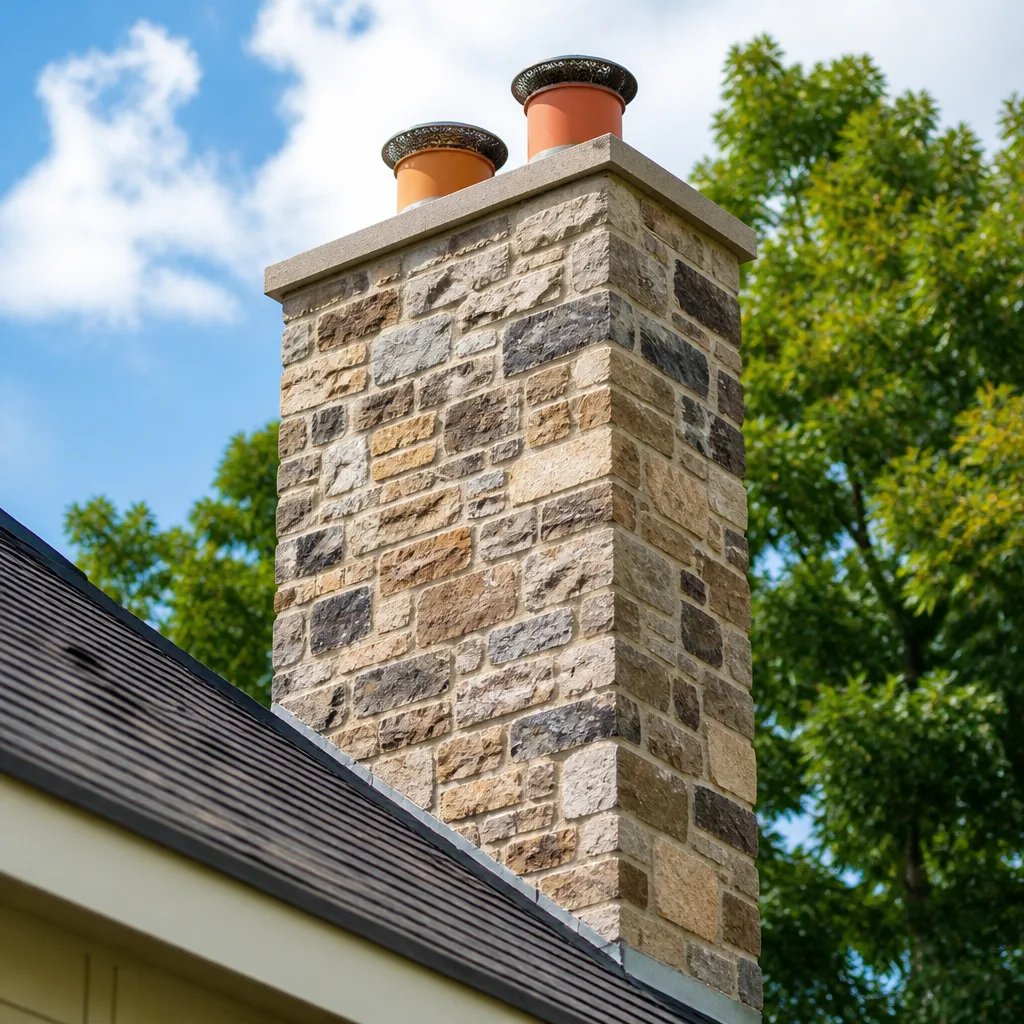 Masonry repair
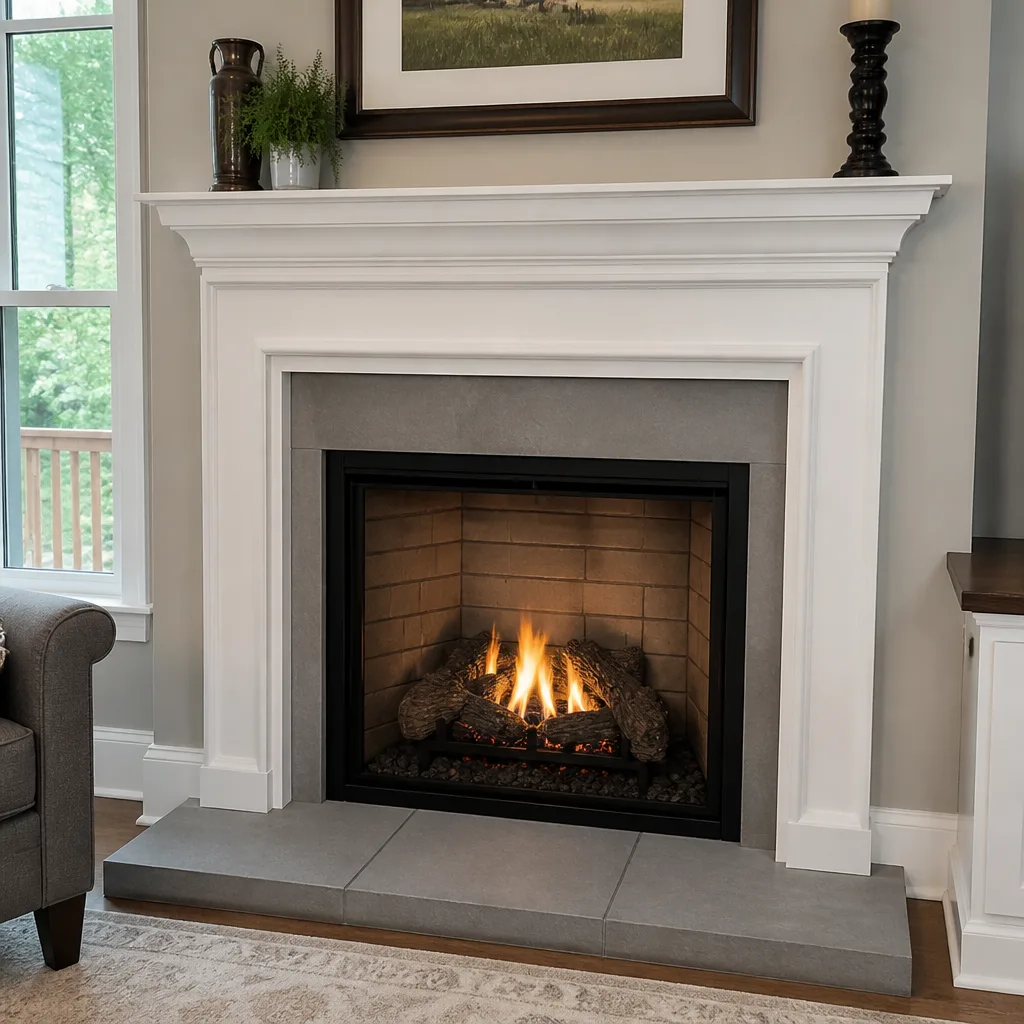 Gas fireplace service
Level 1 sweep and inspection to the NFPA 211 annual standard - flue, crown, cap, and flashing checked and photographed
Chimney sweep logs do not sweep chimneys. They loosen some creosote - which then falls where a brush and vacuum still have to collect it.
Seasonal Chimney Cleaning Care for South Hill: Year-Round Homeowner’s Guide
Most chimney advice you’ll read online was written for a place with a hard freeze, a dry autumn, and a long idle winter. South Hill isn’t that place. Here in the Puyallup valley, the wet shoulder seasons – late September into mid-October, and again in March – put more stress on a chimney than the coldest week of January does. That’s when homeowners burn inconsistently, when flues sit damp between fires, and when the moisture damage that shows up years later actually starts. This guide rebuilds the chimney calendar around the climate we actually live in. You’ll learn why a spring sweep often protects masonry better than a fall one, what a flue does through a wet Pacific Northwest summer, and which summer tasks have nothing to do with fire at all.
Quick Answer
In South Hill, the highest-risk window for a chimney is the wet startup period from late September through mid-October, not peak winter. The best-protected chimneys here get swept in spring after the burning season ends, inspected before the first fire in fall, and have their cap and crown checked in summer when water intrusion does its quiet damage. A yearly sweep plus an annual inspection is the baseline; the timing is what changes in a wet climate.
Styles & brands we work with
- Sweep & inspection
- Caps & crowns
- Flue relining
- Masonry repair
- Gas fireplace service
Table of Contents
- Why the South Hill Chimney Calendar Doesn’t Match National Advice
- The Late September to Mid-October Startup Window
- What a Wet Pacific Northwest Summer Does to a Sealed Flue
- Why Spring Sweeping Protects Masonry Better Here
- Summer Chimney Tasks That Have Nothing to Do With Burning
- Adjusting Burn Practices in the Shoulder Seasons
- What a Proper Inspection Covers in South Hill
- Building Your Year-Round Chimney Schedule
Why the South Hill Chimney Calendar Doesn’t Match National Advice
The familiar instruction to “get your chimney swept before winter” was written for a climate with a dry fall and a deep freeze. In the Midwest, the concern is creosote built up over a cold heating season followed by a dry autumn when there’s little moisture to worry about. South Hill sits in a different pattern entirely. Our wettest stretch arrives right as the burning season starts, the winters are mild enough that fires are often small and intermittent, and the summers are damp enough that a chimney never fully dries out on its own.
That shift matters because chimney problems here are driven by moisture as much as by creosote. Water finds its way into masonry through a cracked crown, a missing cap, or deteriorating mortar, and once it’s in, it works slowly through freeze-thaw cycles and long damp spells. The damage rarely announces itself. It shows up as spalling brick, a rusted damper, or a liner that’s begun to fail years after the water first got in.
The practical result is a calendar that looks different from the standard advice:
- Spring is when we recommend the sweep – clearing the season’s creosote before the damp summer, not after.
- Summer is when cap, crown, and masonry work gets done, because that’s when water intrusion is at its most active and repair conditions are best.
- Early fall is inspection time – a liability check before you light the first fire of the season.
- Winter is for burning carefully and watching for warning signs, not for major service.
If you’ve been scheduling your sweep for November out of habit, you’re not doing anything wrong, but you’re likely a season behind the climate. For a full breakdown of what a routine service involves, see our chimney sweep page.
The Late September to Mid-October Startup Window
Late September through mid-October is the highest-risk window for a chimney in South Hill, and it’s not because of cold. It’s because this is when three things collide at once. The rains return in earnest. Homeowners light their first fires after months of the flue sitting idle. And those first fires tend to be small, smoldering, and inconsistent – exactly the burn conditions that stage creosote rather than burn it off cleanly.
What’s actually happening in the flue
Through the summer, a chimney that’s been capped and unused collects a mix of dust, debris, and the beginnings of nesting material from birds and squirrels. The flue stays cool and damp. When you light that first fire, the chimney is cold, the masonry is holding moisture, and the draft is weak until the flue warms up. A weak draft means smoke lingers, combustion is incomplete, and unburned material deposits on the flue walls. Do this repeatedly over a few weeks of cool, wet weather and you’ve built up a layer of creosote before the real heating season even starts.
There’s a structural risk in this window too. A blockage – a bird’s nest, a fallen cap, a collapsed section of liner – that went unnoticed all summer becomes obvious only when smoke backs into the room on the first fire. Sometimes it doesn’t back up at all; it just quietly reduces draft and lets carbon monoxide vent poorly. That’s the scenario worth taking seriously, and it’s why an inspection before the first fire is the single most useful thing you can do in early fall.
The startup checklist
- Look up the flue before your first fire – a flashlight from the firebox, or better, a camera inspection from a professional. You’re checking for nests, debris, and visible damage.
- Check the cap and crown from the ground or a safe vantage point. A missing or damaged cap is an open door for water and animals.
- Test the draft with a small, hot fire rather than a large smoldering one. A hot, quick fire warms the flue and establishes draft.
- Open a window slightly on the first few fires of the season to help the cold flue establish draft and reduce smoke spillage.
- Watch and listen. Smoke in the room, a smell that lingers, or a fire that won’t draw are all reasons to stop and call a professional before lighting another.
If you notice any of those warning signs, treat it as a stop-and-check moment. Our chimney repair page covers the common causes of poor draft and what correcting them involves.
What a Wet Pacific Northwest Summer Does to a Sealed Flue
A chimney that sits sealed and damp through a wet Pacific Northwest summer is not simply resting. Masonry is porous, and it absorbs moisture from humid air and from rain that finds any weak point in the crown, cap, or flashing. Through the summer, that moisture migrates into the brick and mortar. The flue itself, closed off with a damper and a cap, holds a cool, humid pocket of air that keeps the interior surfaces damp for weeks at a time.
The damage this causes is cumulative and mostly invisible from the living room:
- Spalling brick. Water absorbed into brick expands when it freezes and pushes the face of the brick off. South Hill’s mild winters still deliver enough freeze-thaw cycles to drive this.
- Deteriorating mortar joints. Repeated wetting and drying weakens mortar, and once joints start to crumble, water gets in more easily. It’s a slow feedback loop.
- Rusted dampers and firebox components. A damper that sits damp all summer can rust shut or rust through.
- Liner deterioration. Clay tile liners crack and spall; metal liners corrode. Both fail faster when they stay wet.
- Musty odors and efflorescence. The white powdery staining on exterior masonry is a visible sign that water is moving through the chimney.
The single biggest defense against all of this is keeping water off the top of the chimney in the first place. A properly fitted cap and a sound crown shed water before it can soak in, and that’s why cap and crown work is a core part of what we do rather than an upsell. When a liner has already begun to fail from moisture, HeatShield resurfacing can restore a deteriorating flue interior in many cases, and a DuraFlex flexible liner system allows a code-compliant reline of an older or damaged flue without tearing into the chimney structure.
Why Spring Sweeping Protects Masonry Better Here
In a wet climate, a spring sweep protects your masonry better than a fall sweep will. The reasoning is straightforward once you see it. Creosote and soot left on the flue walls through the damp summer act like a sponge – they hold moisture against the masonry and the liner for months. Clear them in spring, and the flue has the whole dry season to breathe. Leave them until fall, and they’ve been sitting wet against the flue all summer, accelerating exactly the deterioration you’re trying to prevent.
There’s a second reason. A spring sweep is also a natural point to catch problems while there’s time to fix them before the next burning season. If the sweep turns up a cracked crown, failing mortar, or a liner that’s ready for attention, you have the summer to schedule the repair in good weather rather than scrambling in October. Chimney work done right the first time saves the cost of doing it twice, and spring gives you the runway to do it once.
What we check during a spring sweep
- Creosote and soot removal from the flue, firebox, and smoke chamber.
- Visual condition of the flue liner – cracks, gaps, and signs of moisture damage.
- Crown and cap condition – the top-of-system defenses against water.
- Mortar joints and exterior masonry – for spalling and joint deterioration.
- Damper and firebox components – operation and rust.
If a spring sweep turns up a repair need, you’ll get a clear explanation of what was found and what it means before any quote, with camera evidence you can see for yourself. For fireplace-side issues uncovered during the sweep, our fireplace repair page explains the common fixes.
Summer Chimney Tasks That Have Nothing to Do With Burning
Summer is when the chimney gets the least attention and the most damage. That’s backwards. In South Hill, the summer months are when moisture does its quiet work, when animals move in, and when the small top-of-system problems that cause big repairs later are easiest to fix. None of it involves a fire in the firebox.
Cap inspection and replacement
A chimney cap is the roof over your flue. It keeps rain out, keeps animals out, and keeps sparks in. A cap that’s cracked, rusted through, or missing entirely leaves the flue open to everything summer throws at it. In a wet climate, a missing cap is the single most common reason water gets into a chimney. Cap service is quick, and it protects the whole system.
Crown sealing and repair
The crown is the concrete or masonry surface at the very top of the chimney that sheds water away from the flue. Hairline cracks in a crown are normal over time, but they let water in. Crown sealing or repair closes those cracks and re-establishes the slope that directs water off the top. It’s the highest-leverage maintenance a homeowner can do for long-term chimney health.
Animal exclusion
Birds, squirrels, and raccoons treat an uncapped flue as a ready-made den. A nest in the flue is a fire hazard and a blockage, and it’s far easier to prevent with a proper cap than to remove after the fact. Summer, when animals are actively nesting, is the season to check.
Masonry and liner assessment
The long dry-ish stretch of summer is the best window for any structural work – crown repair, masonry repointing, and liner restoration. Materials cure properly, and the work doesn’t fight the weather. If a spring inspection flagged a liner issue, summer is when HeatShield resurfacing or a DuraFlex reline gets scheduled with the least disruption.
If you’re planning any top-of-system work, start with a proper inspection. The full scope of what that covers is on our South Hill Chimney Sweep home page.
Adjusting Burn Practices in the Shoulder Seasons
The shoulder seasons – the wet weeks of October and March – are when creosote staging happens fastest, and burn practices are the variable you control. The goal in these weeks isn’t to burn less; it’s to burn cleaner. A few adjustments make a real difference to how much creosote accumulates between sweeps.
- Burn hot, not long. Small, hot fires warm the flue and burn more completely than a large fire that smolders. In damp weather, a hot fire establishes draft faster and deposits less.
- Use dry, seasoned wood. Wood with high moisture content spends its energy boiling off water instead of burning cleanly, which produces more smoke and more creosote. Seasoned, dry wood burns hotter and cleaner.
- Don’t damper down too soon. Closing the damper to stretch a fire smolders the fuel and stages creosote. Let the fire burn hot and clean, then let it die down naturally.
- Warm the flue before a fire. A cold flue in damp weather resists draft. A small hot starter fire warms the flue and establishes a clean burn.
- Watch the weather. On the dampest, stillest days, draft is weakest and smoke lingers. Those are the days to burn smaller and hotter, or not at all.
These habits won’t replace a sweep, but they reduce the creosote load that builds between them. In a climate where the shoulder seasons do the most staging, that matters.
What a Proper Inspection Covers in South Hill
An inspection isn’t just maintenance – it’s a liability check before you light your first fire of the season. A proper chimney inspection covers the full system from the firebox to the crown, and it’s where the camera evidence comes from that makes any recommended repair verifiable rather than a matter of trust.
Here’s what a thorough inspection should cover:
- The firebox and damper – condition, operation, and signs of moisture or damage.
- The smoke chamber and smoke shelf – the transition zone where creosote and debris collect.
- The flue liner – camera inspection for cracks, gaps, and deterioration, with a photo report you can see.
- The exterior masonry – spalling, joint deterioration, and efflorescence.
- The crown and cap – the top-of-system defenses against water.
- Draft performance – whether the system is drawing as it should.
What we won’t do is recommend thousands of dollars of liner or masonry work you have no way to verify. Nothing is recommended without camera evidence you can see for yourself, and if a repair can safely wait, we’ll say so plainly. That’s the standard we hold to, and it’s why we work with professional-grade brands like Olympia Chimney and Famco for caps and components, and Gelco for the parts that need to last. We use these because they’re the professional standard, not the cheapest option.
Building Your Year-Round Chimney Schedule
A year-round schedule tailored to South Hill’s climate keeps the chimney system protected through the wet shoulder seasons and the damp summer. Here’s the calendar we recommend, tied to the seasons rather than to a single annual appointment.
- Spring (after the burning season ends): Sweep the flue to clear the season’s creosote and soot before the damp summer. Inspect the liner, crown, and masonry while there’s time to schedule any repair.
- Early summer: Address any cap, crown, or animal exclusion issues. Get any flagged liner restoration or reline on the calendar.
- Late summer: Complete structural repairs – crown repair, repointing, and liner work – in the best curing weather of the year.
- Late September to mid-October: Inspect before the first fire. Check the cap and crown, verify the flue is clear and drafting, and confirm there’s no blockage.
- Shoulder weeks (October and March): Burn hot and clean, use dry wood, and watch for warning signs.
- Winter: Burn carefully, and treat smoke in the room, lingering smells, or poor draft as stop-and-call signals.
Two service touchpoints a year – a spring sweep and a fall inspection – cover the seasonal pattern here. The rest of the calendar is about the top-of-system work and the burn practices in between.
Common Mistakes to Avoid
- Sweeping only in fall. In South Hill’s wet climate, that leaves creosote sitting against the flue all summer. A spring sweep clears it before the damp season does its damage.
- Taking the cap off “for better draft.” A missing cap is the fastest route to water intrusion and animal nests. If draft is poor, find the actual cause with an inspection rather than removing the cap.
- Ignoring the crown. Hairline cracks in the crown are the entry point for most chimney moisture problems here. Crown sealing is quick and protects the whole system.
- Smoldering fires in damp weather. Damping down a fire to stretch it stages creosote fastest in exactly the shoulder weeks when the chimney is coldest and draft is weakest.
- Burning unseasoned wood. Wet wood produces more smoke and more creosote, and in a damp climate the flue is already fighting moisture. Seasoned dry wood burns cleaner and hotter.
- Skipping the inspection because the fire “works fine.” Poor draft and hidden liner damage don’t always show up as smoke in the room. An inspection catches what a working fire can’t reveal.
- Waiting until October to schedule. When the rains return, everyone wants service at once. Spring scheduling gives you the best weather for any repair that turns up.
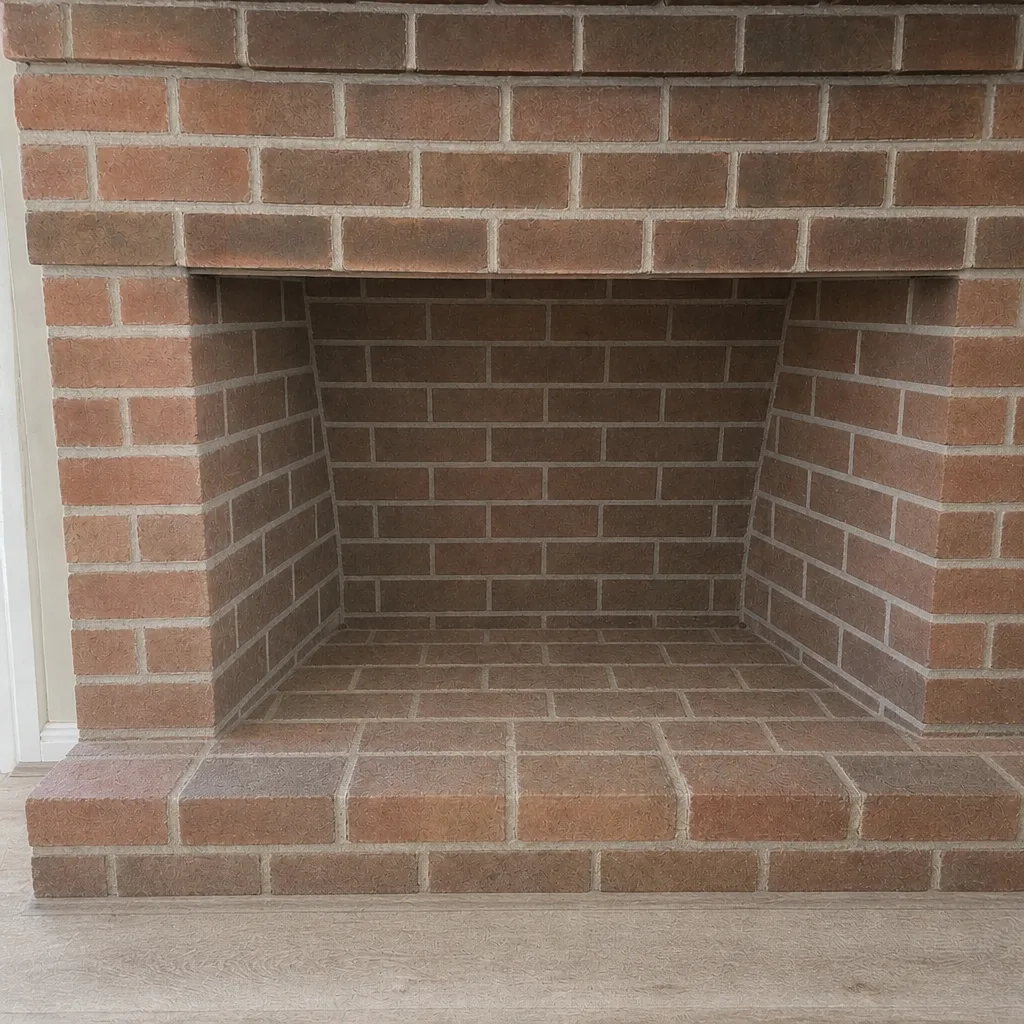
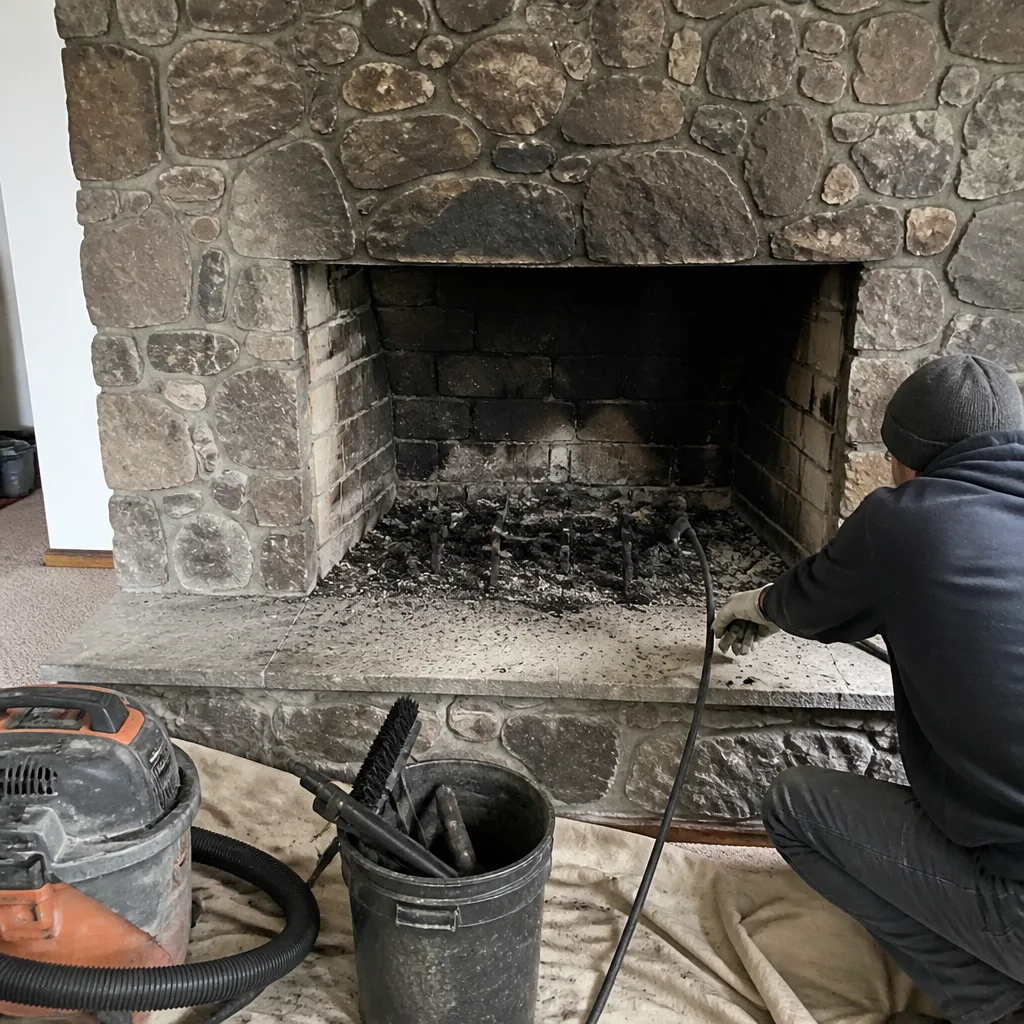
See the difference
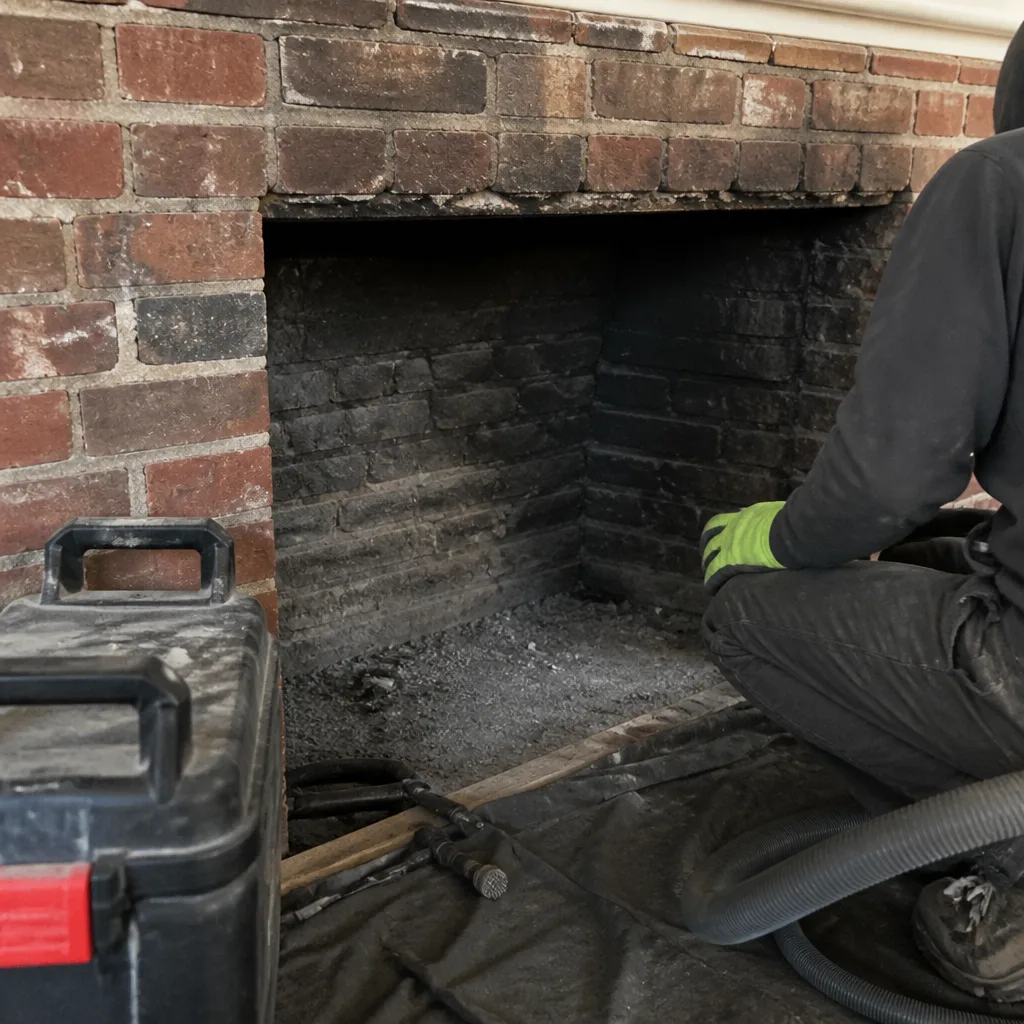 Before
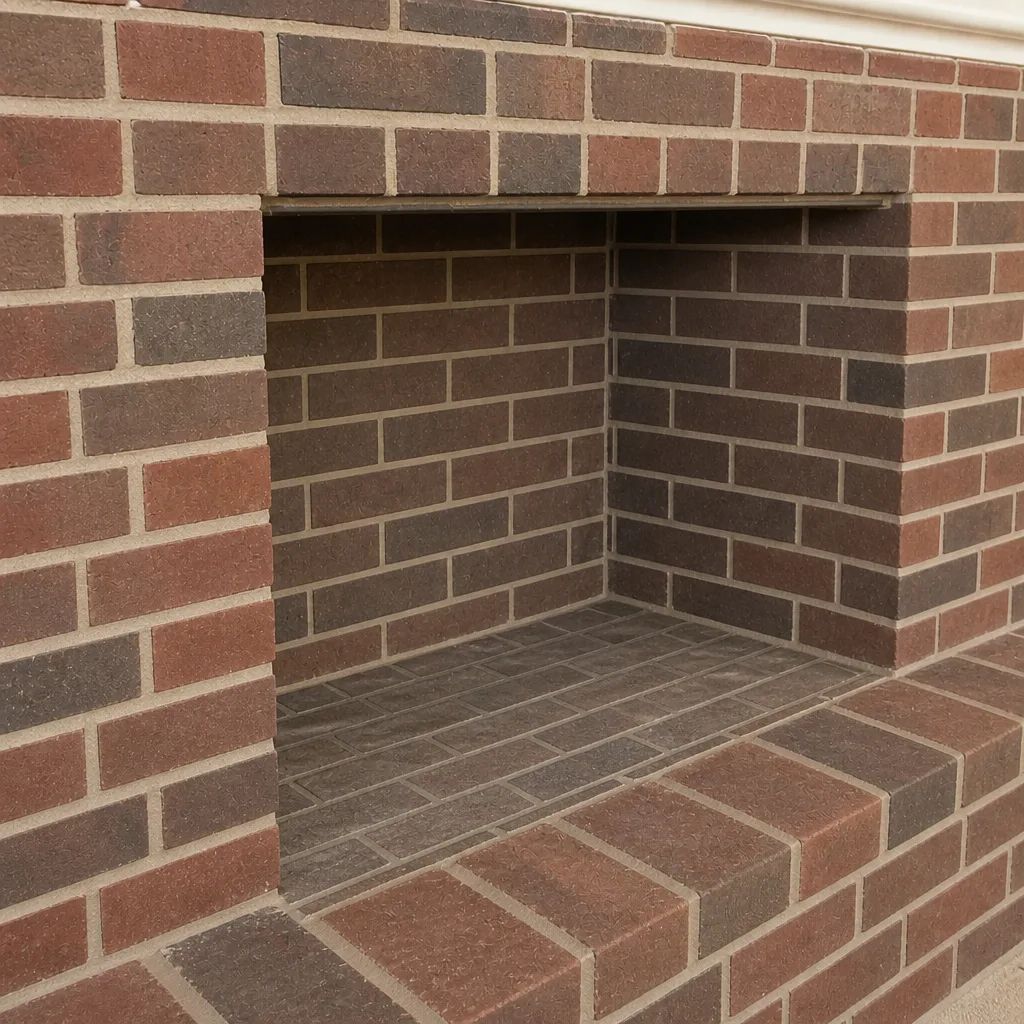 After
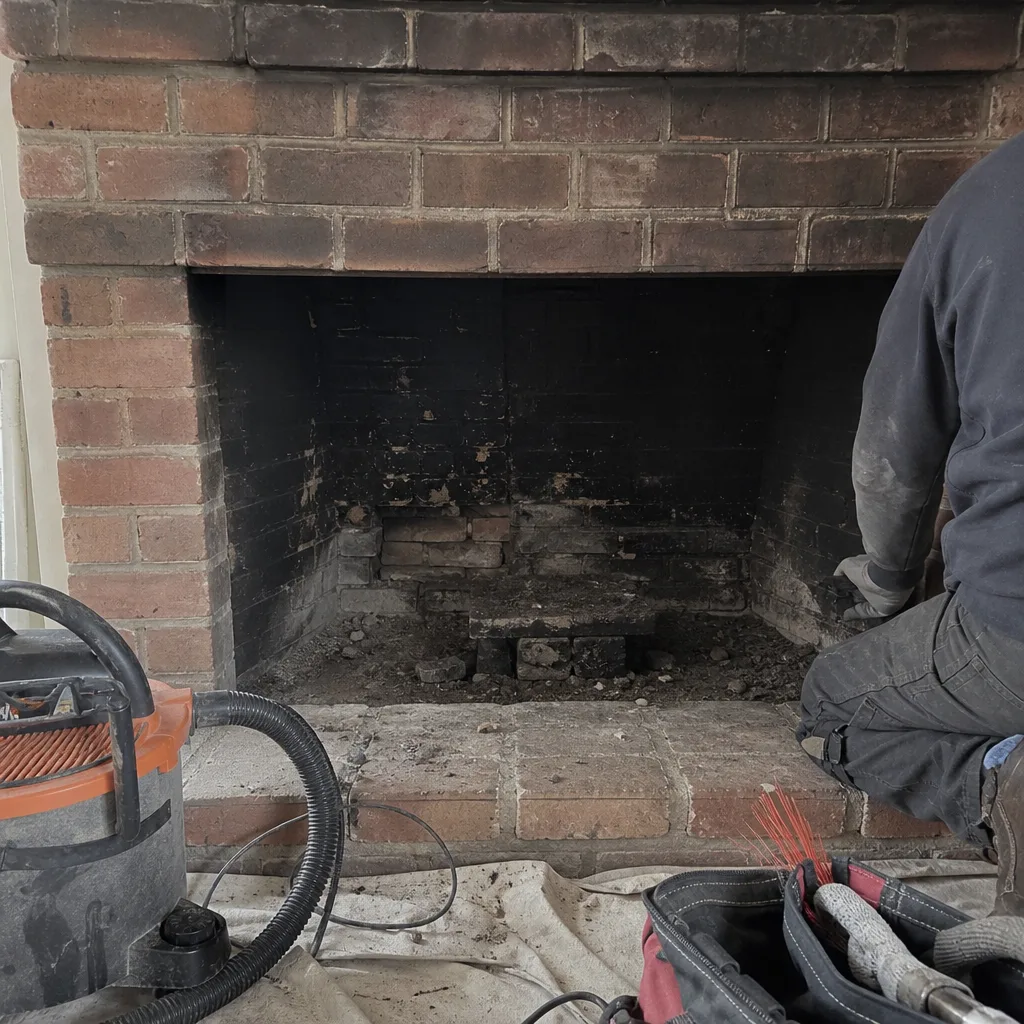 Before
 After
 Before
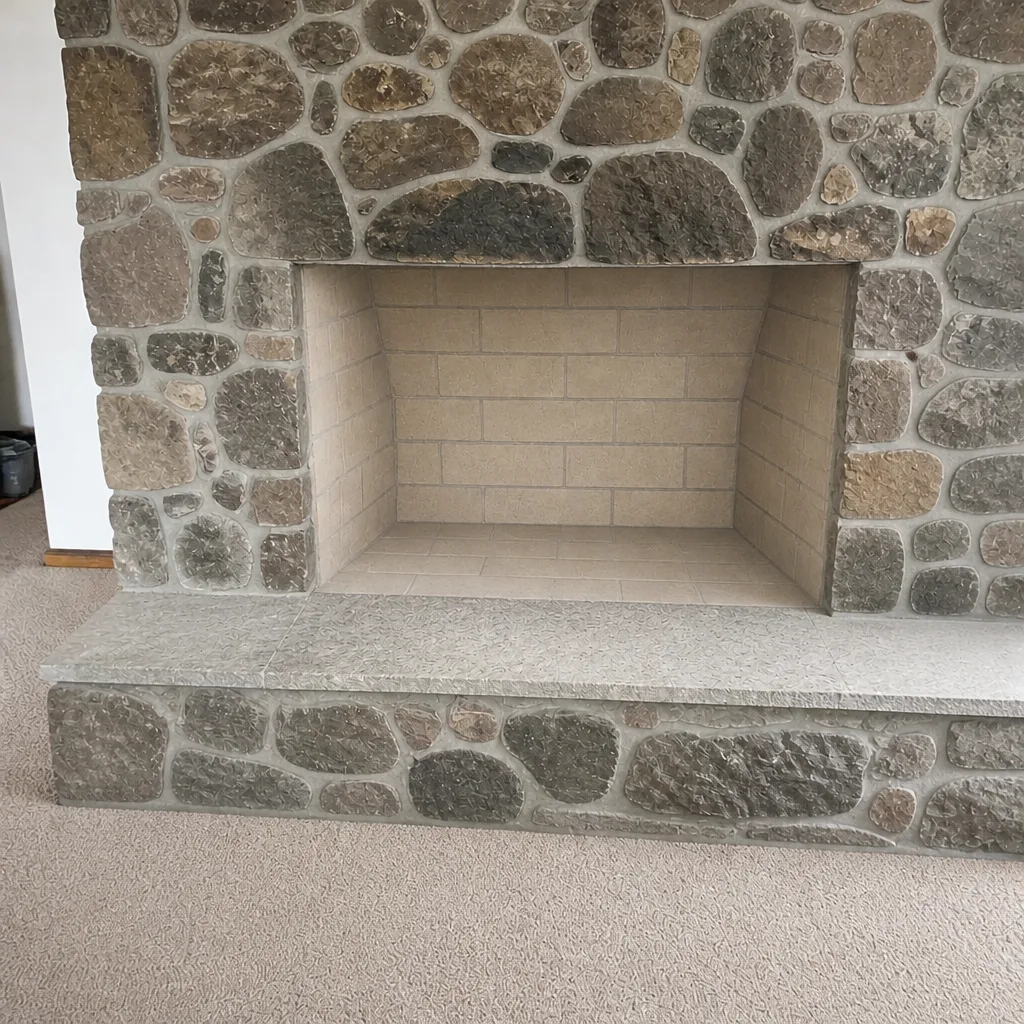 After
When to Call a Professional
Some chimney issues can wait for the next scheduled sweep. Others shouldn’t. Call a professional if you see smoke backing into the room, if a fire won’t draw, if you smell a strong or lingering odor when the chimney isn’t in use, or if you find visible cracks, spalling brick, or crumbling mortar. A missing or damaged cap, a crown with cracks wide enough to catch a fingernail, or any sign of water staining on the interior are all reasons to get an inspection before your next fire. If your flue hasn’t been inspected since the last burning season, treat the startup window as the moment to do it. South Hill Chimney Sweep offers free estimates in South Hill – call (833) 509-5329. We answer 24/7. Fast dispatch from 7am to 7pm, Sunday through Friday.
Frequently Asked Questions
Once a year is the baseline for a wood-burning chimney, and in South Hill we recommend a spring sweep after the burning season ends. If you burn frequently or notice creosote buildup faster than usual, schedule a fall inspection in addition to the spring sweep. Call (833) 509-5329 for an exact quote – estimates are free.
Because in a wet climate, creosote left on the flue through the damp summer holds moisture against the masonry and liner and speeds deterioration. A spring sweep clears it before that happens and gives you the summer to schedule any repairs in good weather. Call (833) 509-5329 for an exact quote – estimates are free.
Creosote builds up on the flue walls, which raises the risk of a chimney fire and reduces draft. In South Hill, the moisture held by that buildup through the wet summer also accelerates masonry and liner damage. Skipping a year isn’t a crisis, but the risk compounds. Call (833) 509-5329 for an exact quote – estimates are free.
Only if the camera inspection shows it – and you should see that evidence yourself before agreeing to anything. Plenty of suspected liner or masonry problems turn out to be minor or safe to defer. We’ll tell you exactly what we found and what it means before we quote a single repair. Call (833) 509-5329 for an exact quote – estimates are free.
Check the cap and crown, and schedule any masonry or liner work while the weather is best for it. Summer is when moisture and animals do the most damage, so top-of-system inspection now prevents repairs later. Call (833) 509-5329 for an exact quote – estimates are free.
Signs include smoke backing into the room, a fire that won’t draw, or a strong smell when the chimney isn’t in use. Sometimes there’s no sign at all, which is why a camera inspection before the first fire is worth scheduling. Call (833) 509-5329 for an exact quote – estimates are free.
The Bottom Line
South Hill’s chimney calendar is shaped by wet shoulder seasons and damp summers, not by the Midwest advice most homeowners grew up with. The highest-risk window here is late September through mid-October, when the rains return and the first fires stage creosote on a cold, damp flue. The best protection is a spring sweep that clears creosote before the wet summer, a late-summer pass on the cap and crown, and an early-fall inspection before the first fire. Two service touchpoints a year, timed to this climate, keep the system protected. And when a repair is recommended, it comes with camera evidence you can see for yourself. Call (833) 509-5329. We answer 24/7. Fast dispatch from 7am to 7pm, Sunday through Friday.
Written by the team at South Hill Chimney Sweep.