
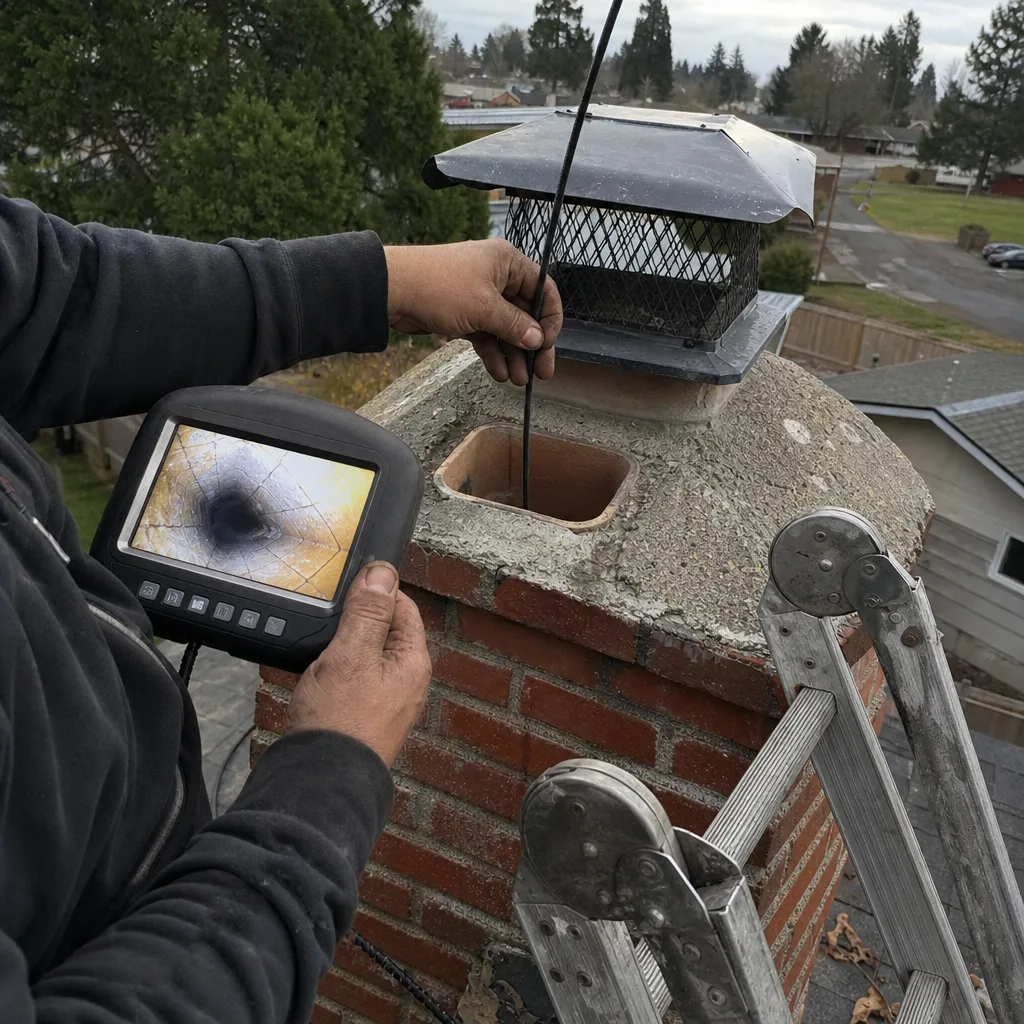
 Sweep & inspection
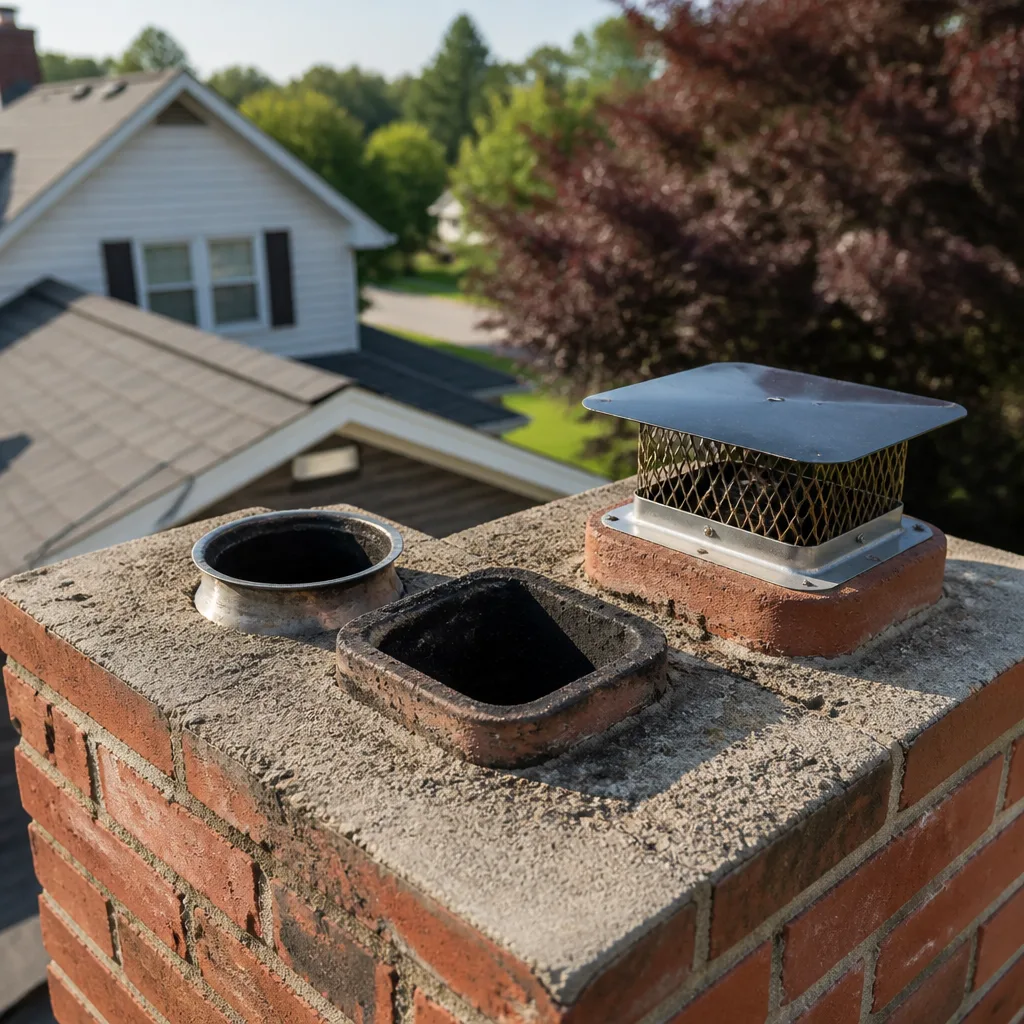
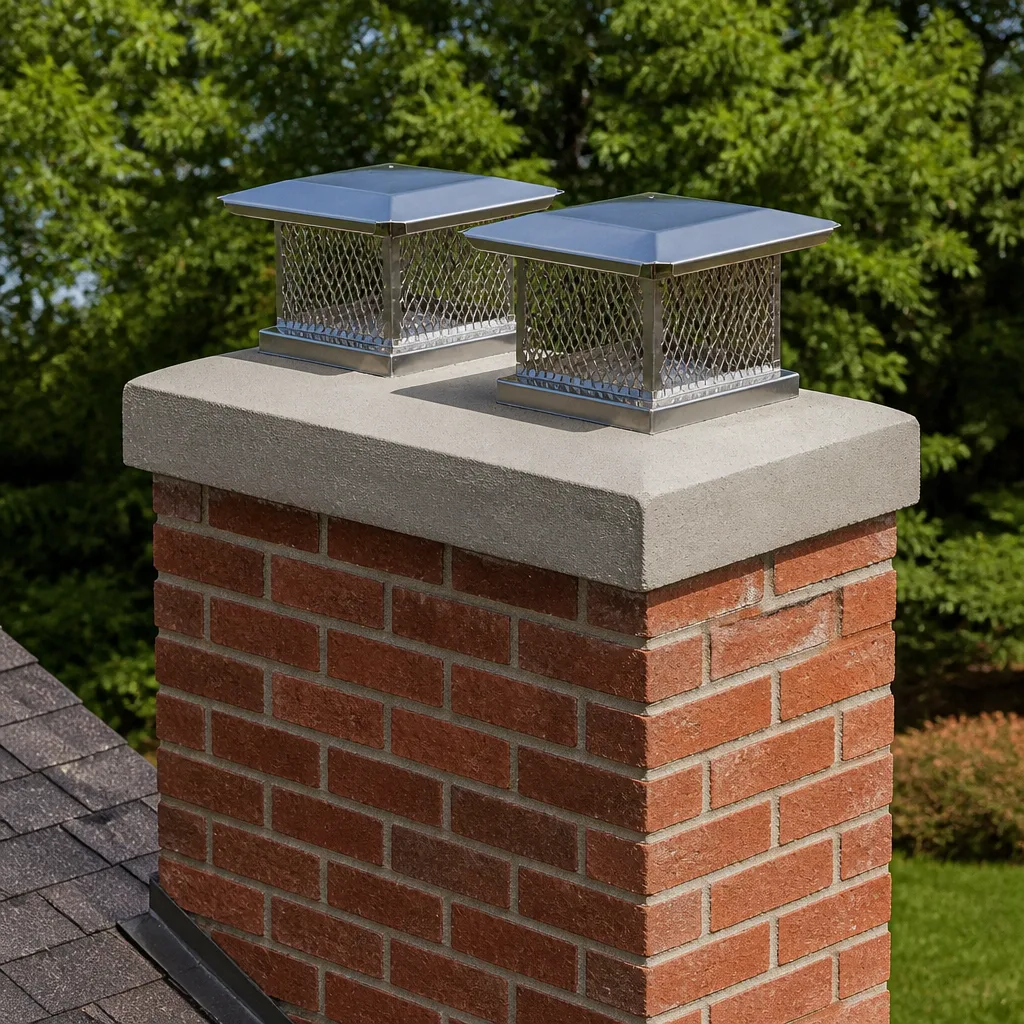 Caps & crowns
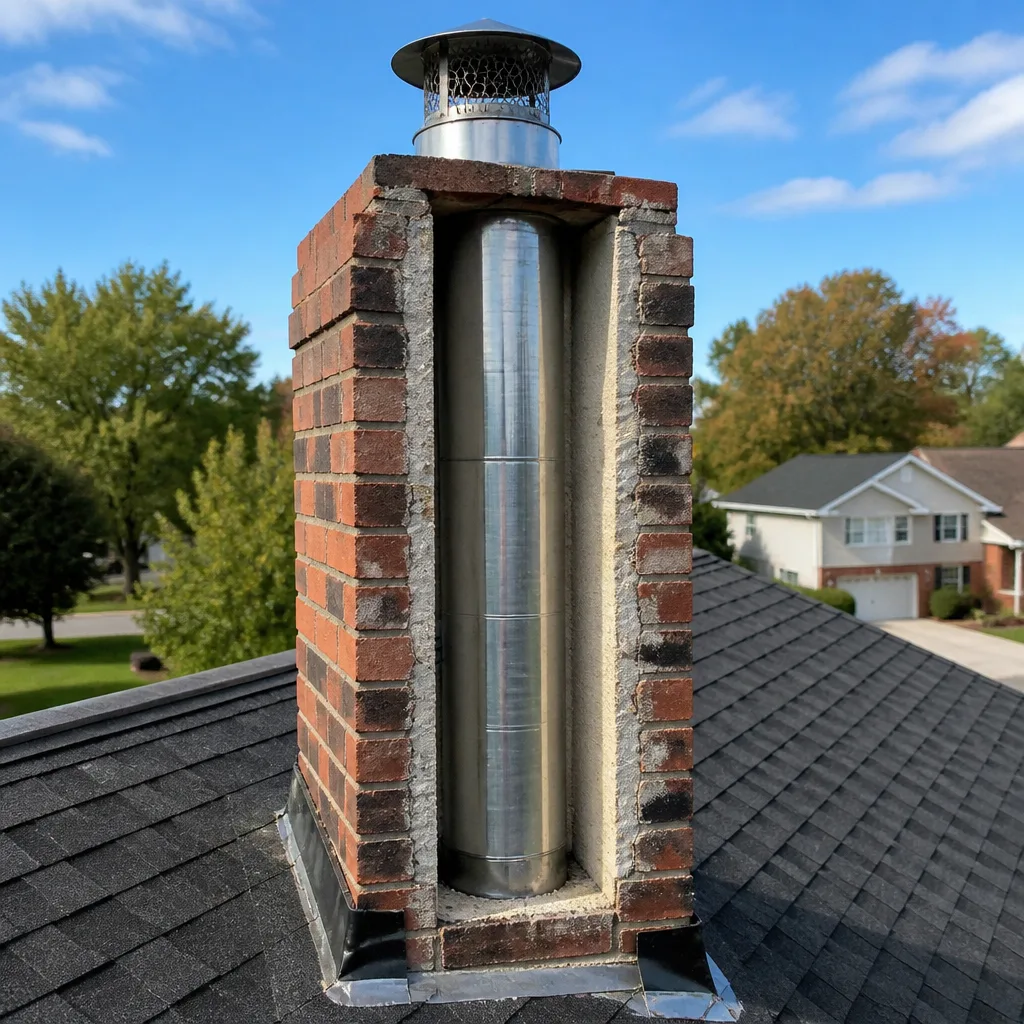 Flue relining
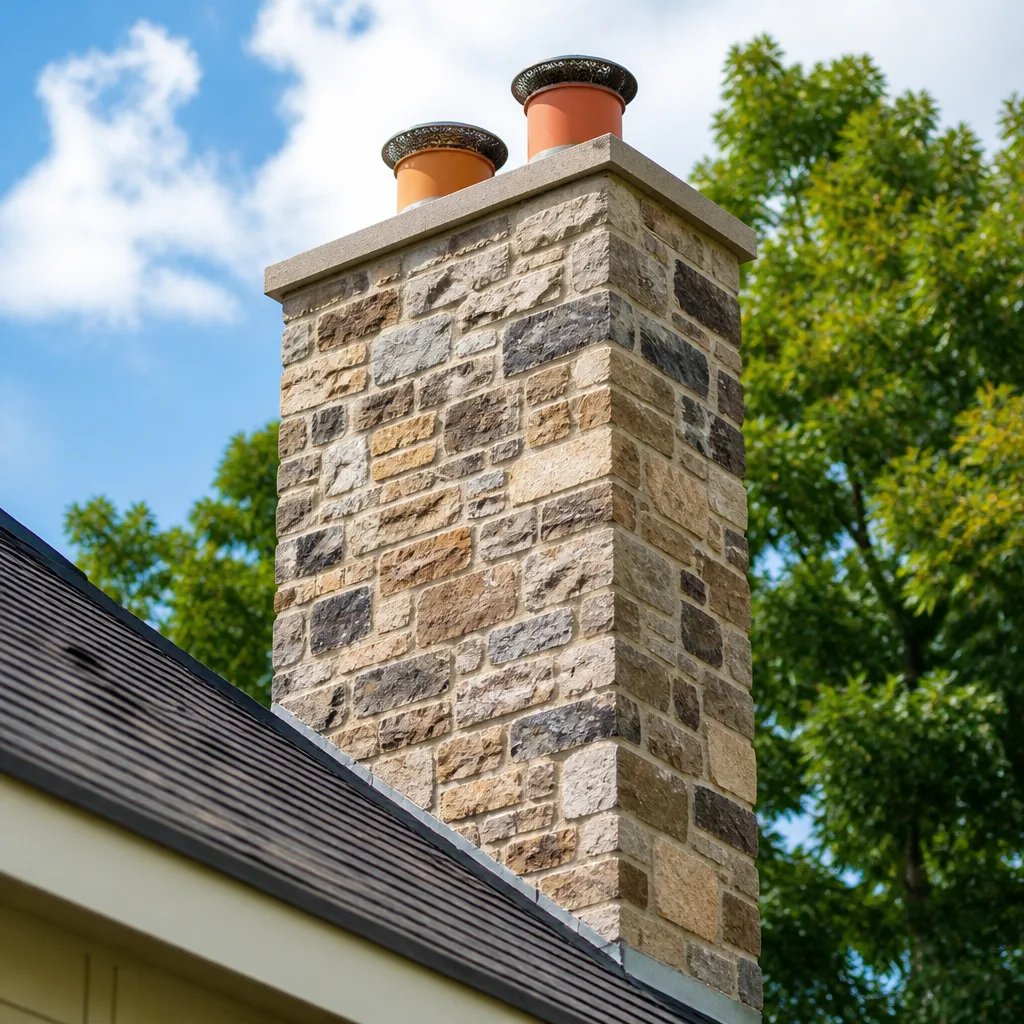 Masonry repair
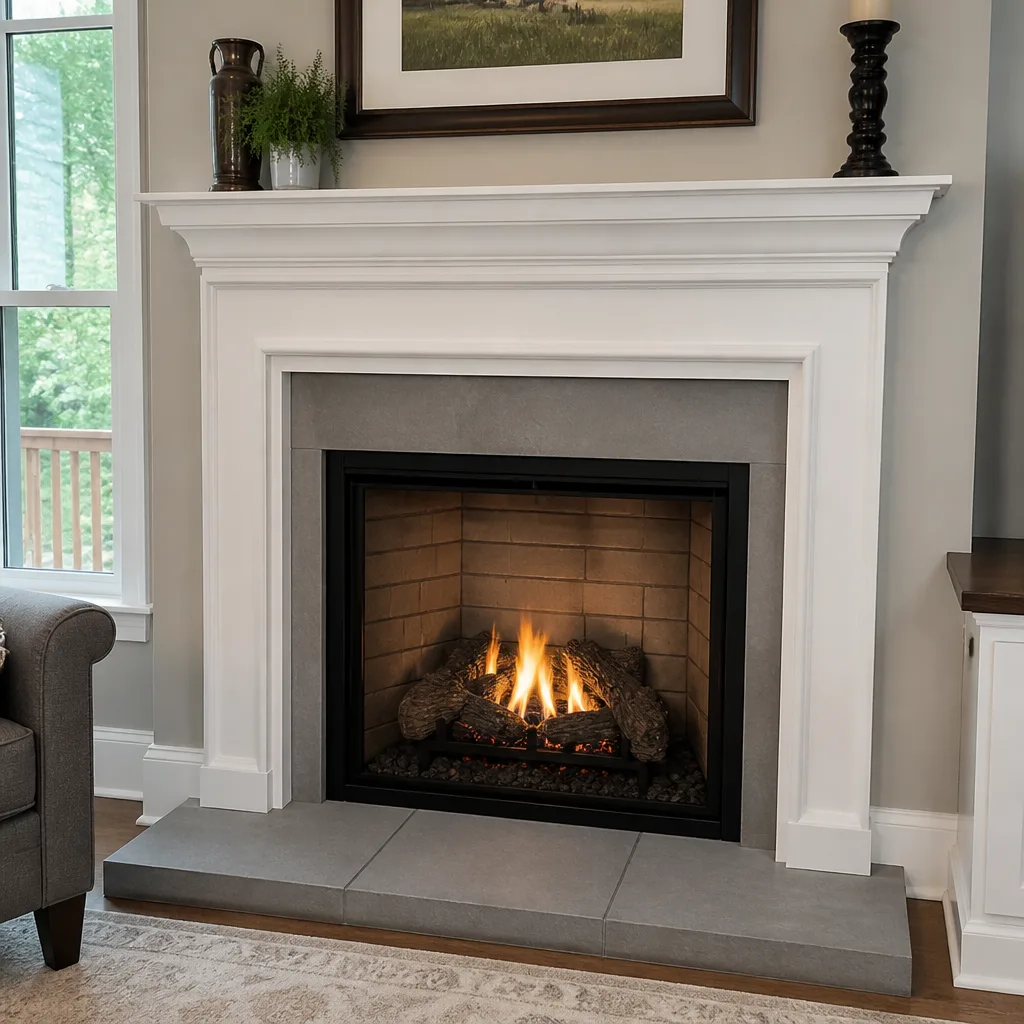 Gas fireplace service
Level 1 sweep and inspection to the NFPA 211 annual standard - flue, crown, cap, and flashing checked and photographed
Chimney sweep logs do not sweep chimneys. They loosen some creosote - which then falls where a brush and vacuum still have to collect it.
Trusted Chimney Inspection for South Hill Homeowners
South Hill sits high enough that winters bring real cold, and a lot of homes here run wood inserts and open fireplaces hard from October into March. That’s exactly the kind of use that builds creosote, cracks flue tiles, and puts stress on a crown long before anyone notices a problem from the living room. A chimney inspection in South Hill is how you find those issues on your terms instead of discovering them mid-season, and it’s the check we recommend before the first fire of the year.
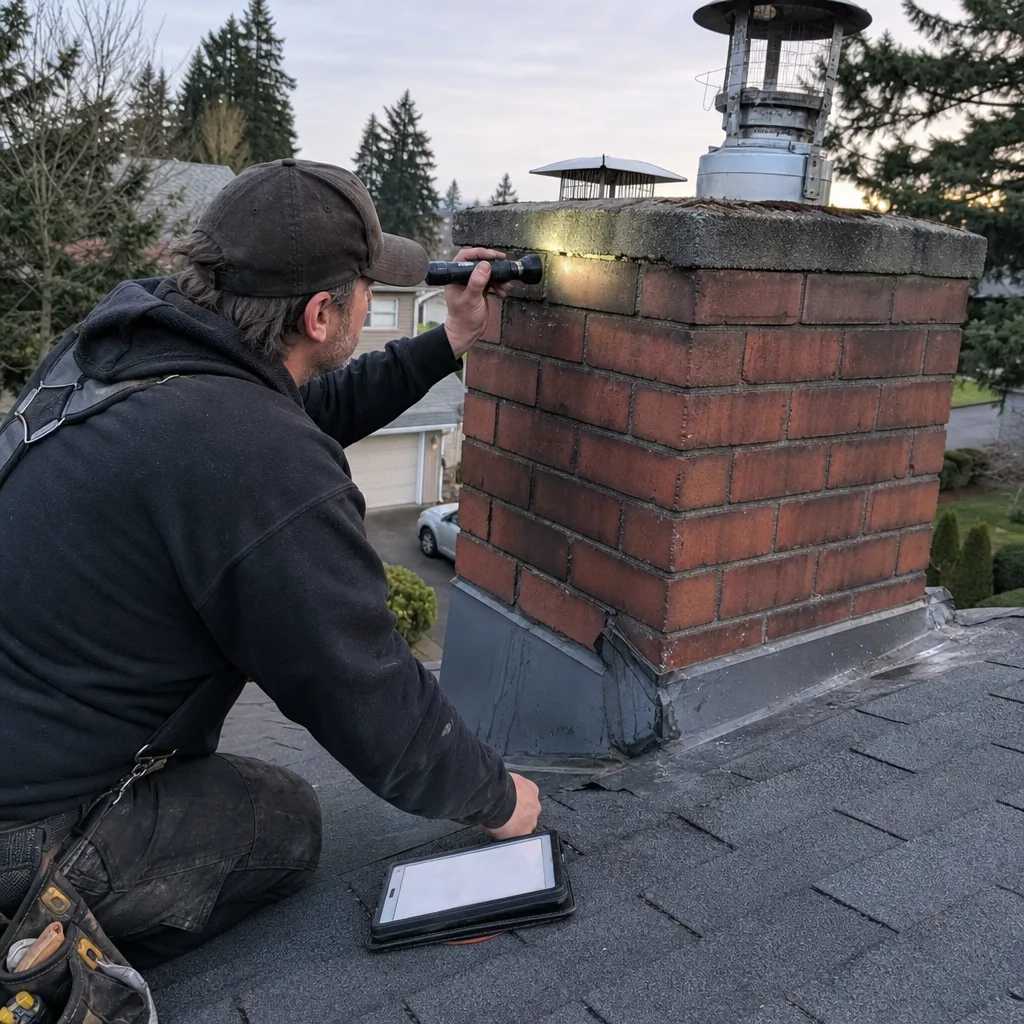
Our technicians have up to 15 years of experience and work with professional-grade products from brands like HeatShield and DuraFlex when a repair is needed. We don’t guess at a diagnosis. We look at the flue interior with a camera, show you what we see, and explain what it means before we quote anything. If work can wait, we tell you that too. Estimates are free, and you can reach us at (833) 509-5329.
Key Takeaways
- A chimney inspection in South Hill covers the firebox, damper, flue, cap, and crown, not just the chimney interior.
- Level 2 and Level 3 inspections use camera equipment to see what a flashlight can’t.
- Nothing gets recommended without photo or video evidence you can look at yourself.
- The written estimate sets the final price, and the estimate itself costs nothing.
- Book a sweep and inspection together before the heating season starts.
What Our Chimney Inspection Service Includes
An inspection isn’t a single procedure. What gets done depends on why the chimney needs checking and what the technician finds on the first pass. Here’s what each level covers for South Hill homeowners.
Level 1 Inspection
A Level 1 inspection is the basic visual check you’d want with an annual sweep. It covers all readily accessible parts of the chimney and venting system, including the firebox, damper, and the visible portion of the flue, and it’s appropriate when nothing has changed about how the fireplace is used. We look for creosote buildup, soot staining, cracked brickwork, and any sign that the cap or crown is letting water in. This is the inspection that catches small problems while they’re still small and cheap to address.
Level 2 Inspection
A Level 2 inspection goes further and includes a video scan of the flue interior, which a Level 1 doesn’t. You need one after a chimney fire, after any change to the fuel type or appliance, when you’ve just bought the home, or when a Level 1 turns up something that needs a closer look. We run the camera the full length of the flue and read what the tiles and joints tell us, because a flue can look fine from the top and be separating three feet down.
Level 3 Inspection
A Level 3 inspection is the most involved and is only recommended when a serious hazard is suspected but can’t be seen with the tools already used. It can involve removing parts of the chimney or its surrounding structure to reach a concealed problem. We don’t suggest one lightly, and we won’t suggest one without explaining exactly what we found that makes it necessary. If a Level 2 gives us a clear enough picture, a Level 3 usually isn’t needed.
Camera Inspection
Camera inspection is the tool that separates a real assessment from a look down the flue with a flashlight. We send a camera through the flue and record what it finds, so you can see the cracked tile, the heavy creosote glaze, or the offset joint for yourself. South Hill homes with older masonry chimneys are where this matters most, because those flues often predate current lining standards. You get the photo report with your findings.
Flue Inspection
Flue inspection focuses specifically on the channel that carries smoke and gases out of the house, including the liner or tile, the joints between lengths, and the connections where the appliance meets the flue. A flue that’s cracked, blocked, or undersized for the appliance creates real risk, and the damage often isn’t visible from the firebox. We check for obstruction from nests and debris as part of this, since a blocked flue is a carbon monoxide problem, not just a smoke problem. When a liner has deteriorated, HeatShield resurfacing or a DuraFlex liner can often restore it without tearing the chimney down.
Real Estate Inspection
A real estate inspection is a documented chimney assessment done during a purchase, sale, or refinance. It typically follows Level 2 scope, with a written report and photos the buyer, seller, and their agents can all review. This matters in South Hill because a chimney that’s working fine for a current owner can still have deferred maintenance that a transaction will surface. Getting the inspection done early means fewer renegotiations later, and having camera evidence settles the question of what actually needs repair.
Styles & brands we work with
- Sweep & inspection
- Caps & crowns
- Flue relining
- Masonry repair
- Gas fireplace service
Brands We Service for Chimney Inspection
We work with DuraFlex on flexible liner systems, and that knowledge matters during an inspection because it tells us what a proper installation should look like inside a flue. When we’re evaluating an older chimney, we can tell whether a liner is correctly sized and sealed or whether it’s been installed in a way that will fail. We use DuraFlex because it’s the professional standard for relining jobs in aging chimneys.
We’re equipped for HeatShield application, which is a resurfacing process for deteriorating flue interiors rather than a replacement. Inspections that turn up a liner with hairline cracks or a pitted surface are often good candidates for HeatShield, and knowing that during the inspection changes the recommendation from a full reline to a repair. We also work with Olympia Chimney and Gelco products where they fit the job. Whether your chimney has DuraFlex, HeatShield, or any other make, we can help.
Signs You Need Chimney Inspection Right Now
Most chimney problems don’t announce themselves until they’re expensive. These are the signals worth acting on.
- Soot or creosote falling into the firebox. That’s usually a sign of buildup or a flue that’s shedding its lining. It’s also a hint that the last sweep happened longer ago than you think.
- A smoky fire that didn’t used to be smoky. Draft problems point to a partial blockage, a damaged liner, or a flue that’s too small for the appliance. An inspection tells you which, rather than guessing at it.
- Water stains or white chalky deposits on the chimney exterior. That’s water getting past the crown or cap, and water is the leading cause of long-term chimney structural damage. Catching it early is the whole game.
- Crumbling mortar or loose bricks in the chimney stack. Masonry that’s breaking down can mean the flue has been compromised internally too. A camera inspection shows what the outside can’t.
- A chimney fire, or a fire you think may have been one. Even a small fire can crack tiles and open gaps that aren’t visible. Level 2 inspection after a fire is standard practice, not an upsell.
Our Chimney Inspection Process – Step by Step
We keep the process predictable so you know what’s happening and when. Here’s how a typical inspection in South Hill goes.
- 1
We start with the room and the firebox. The technician inspects the firebox, damper, and the areas around the appliance, then checks for clearances and any signs of staining or heat damage. This stage also tells us what kind of inspection the job actually needs.
- 2
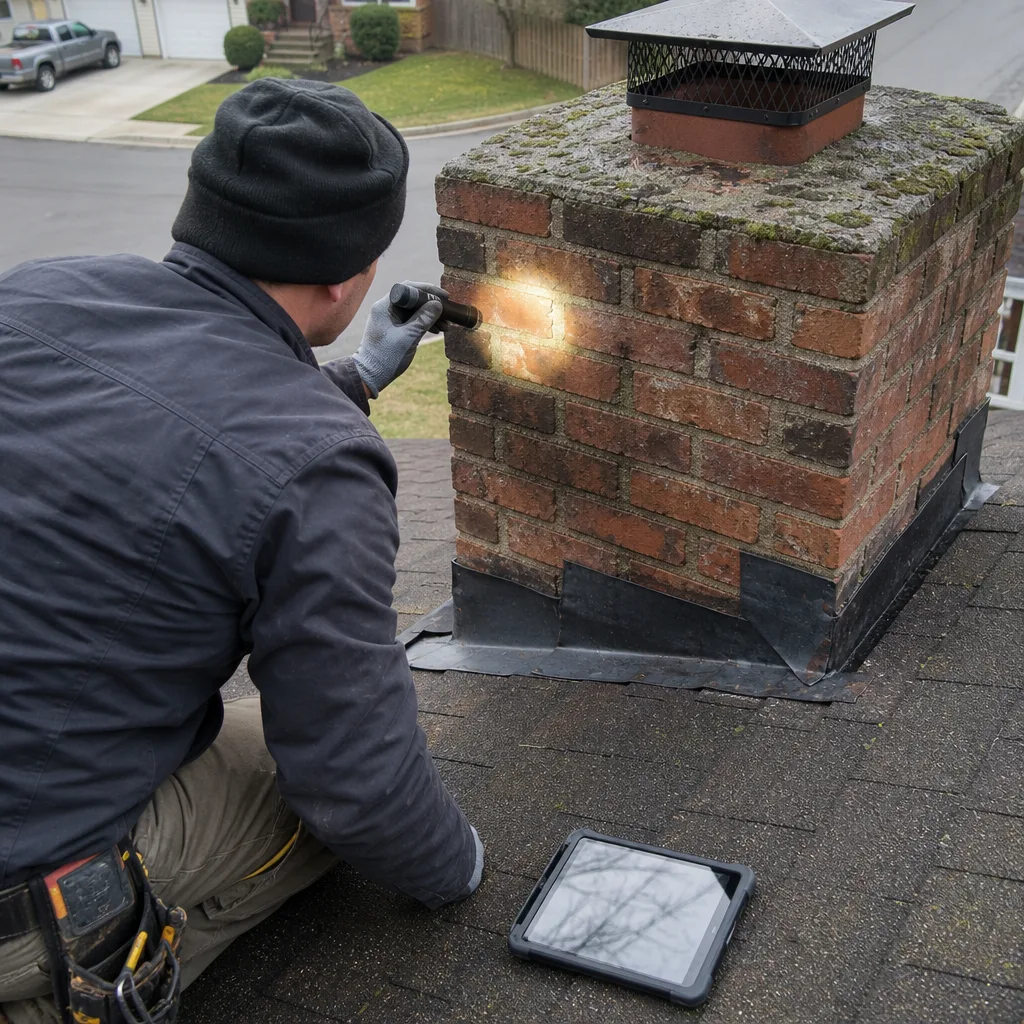
We move to the flue, inside and out. That includes the visible flue interior from the access points, plus the chimney exterior, cap, and crown. We’re checking for creosote levels, tile condition, and water intrusion all in one pass.
- 3
We run the camera where it’s warranted. Level 2 scope means a camera scan of the full flue length, recorded so you can review it. Obstructions from nests or debris get identified and located at this stage.
- 4
We go over the findings with you before any pricing. You see the photos or video, and we explain what each finding means, whether it’s something to fix now or watch. We’ll tell you exactly what we found and what it means before we quote a single repair.
- 5
We put it in writing. The written estimate covers any recommended work as a flat price agreed before booking. If nothing needs doing, you get that in writing too, plus a photo report included with the inspection.
See the difference
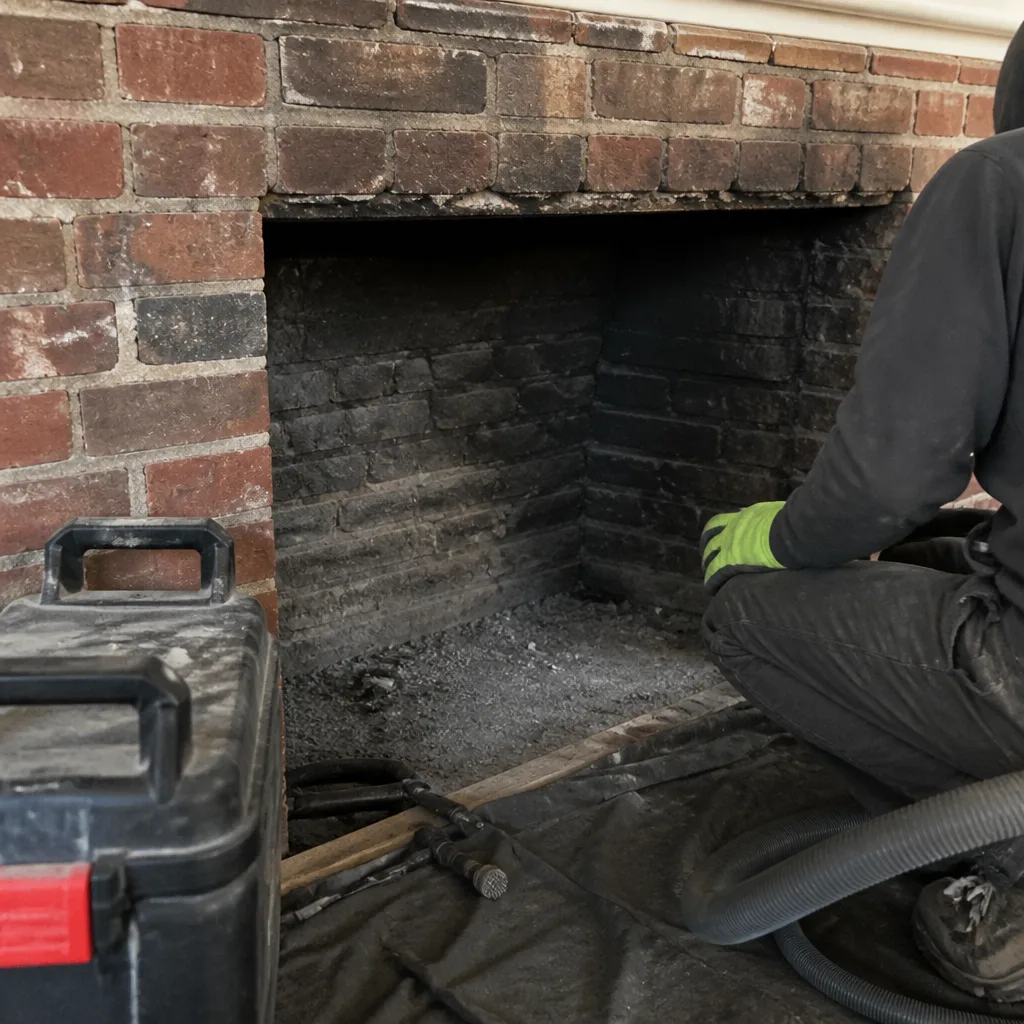 Before
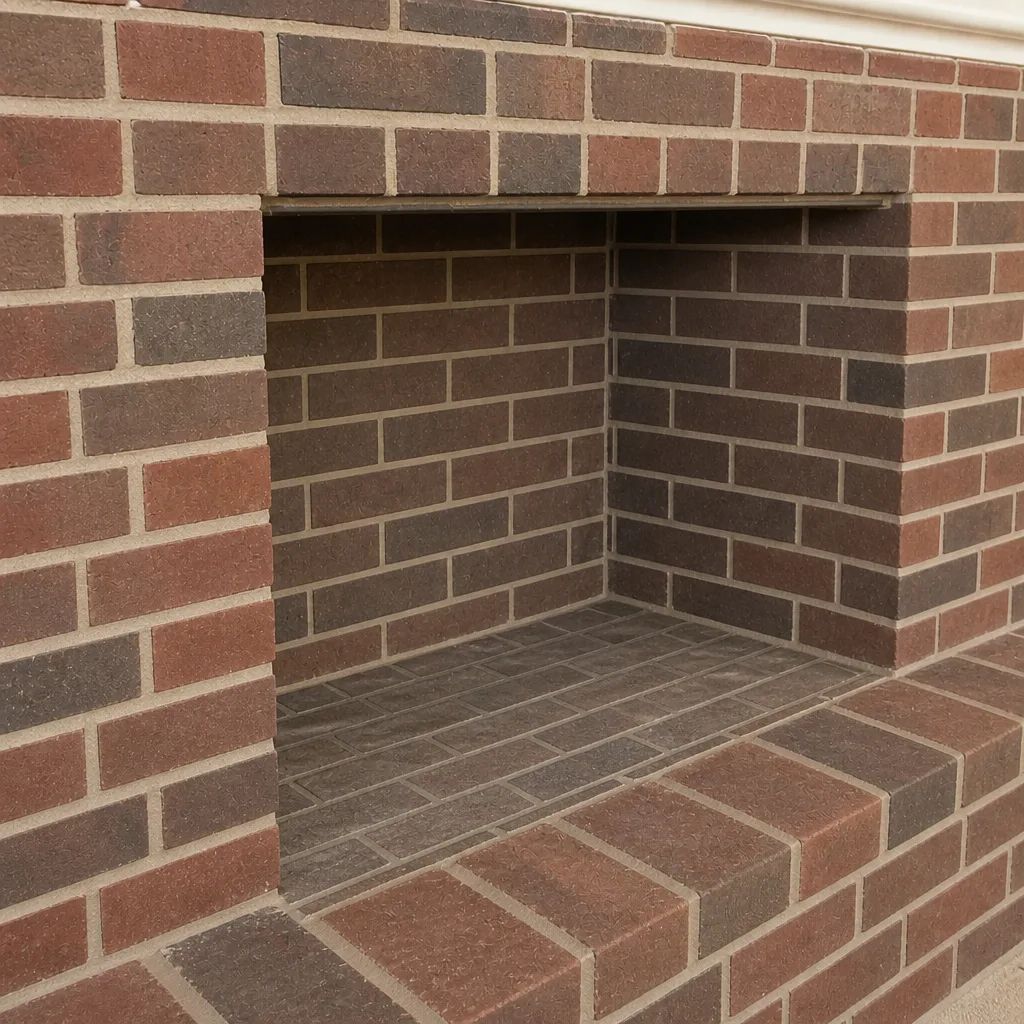 After
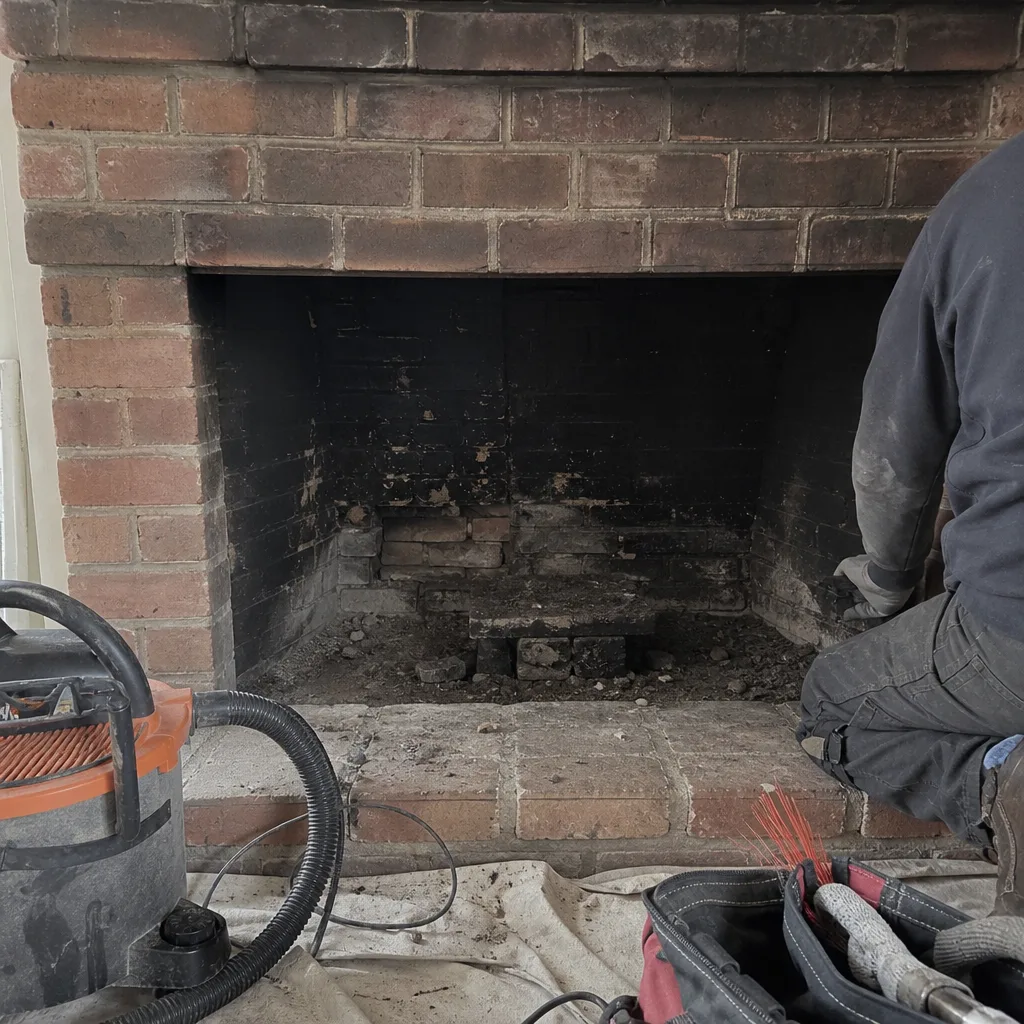 Before
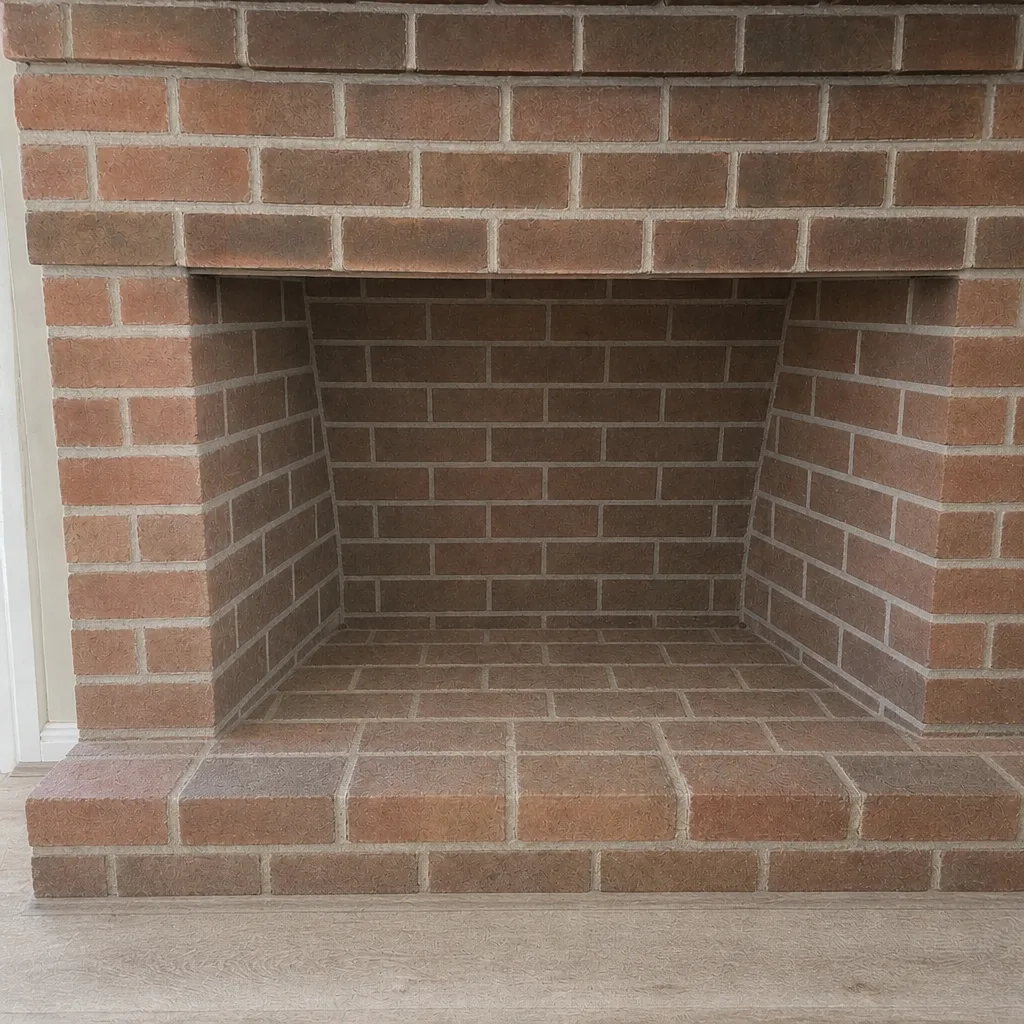 After
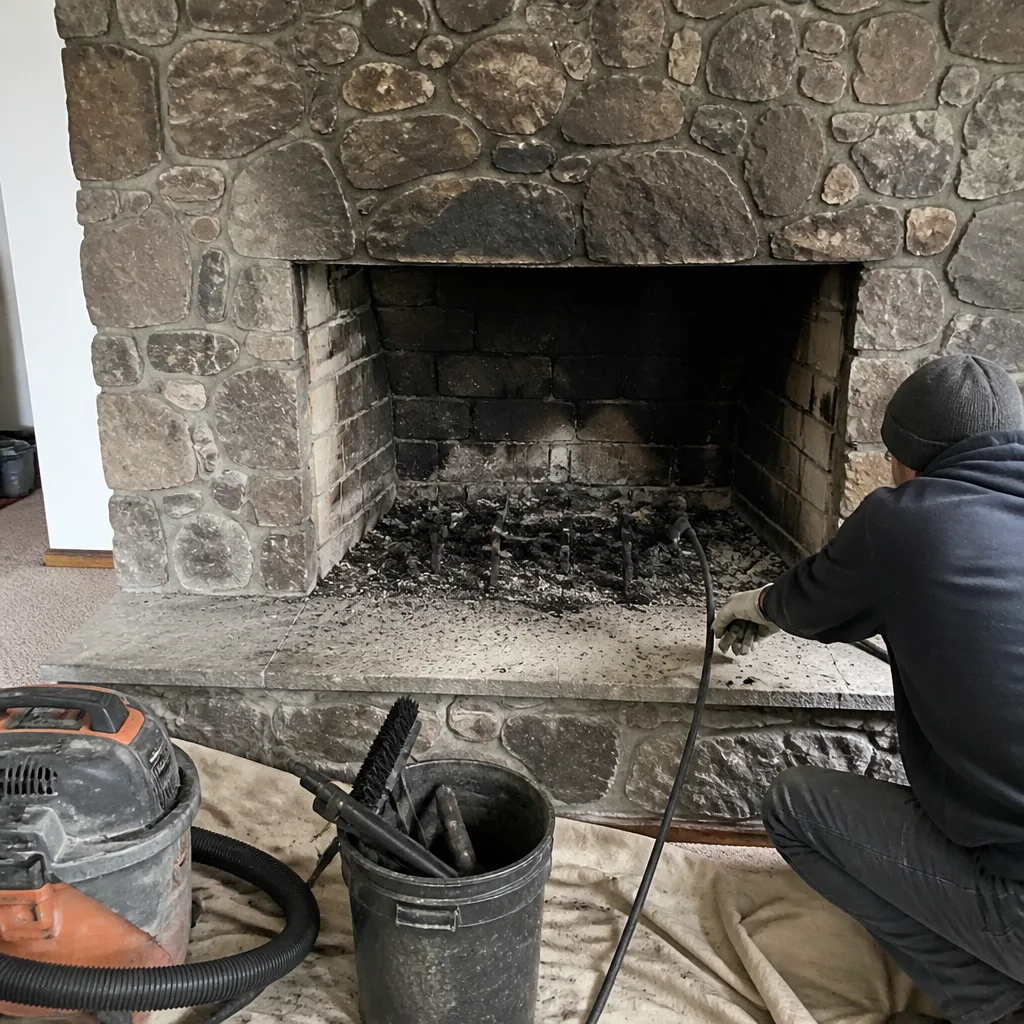 Before
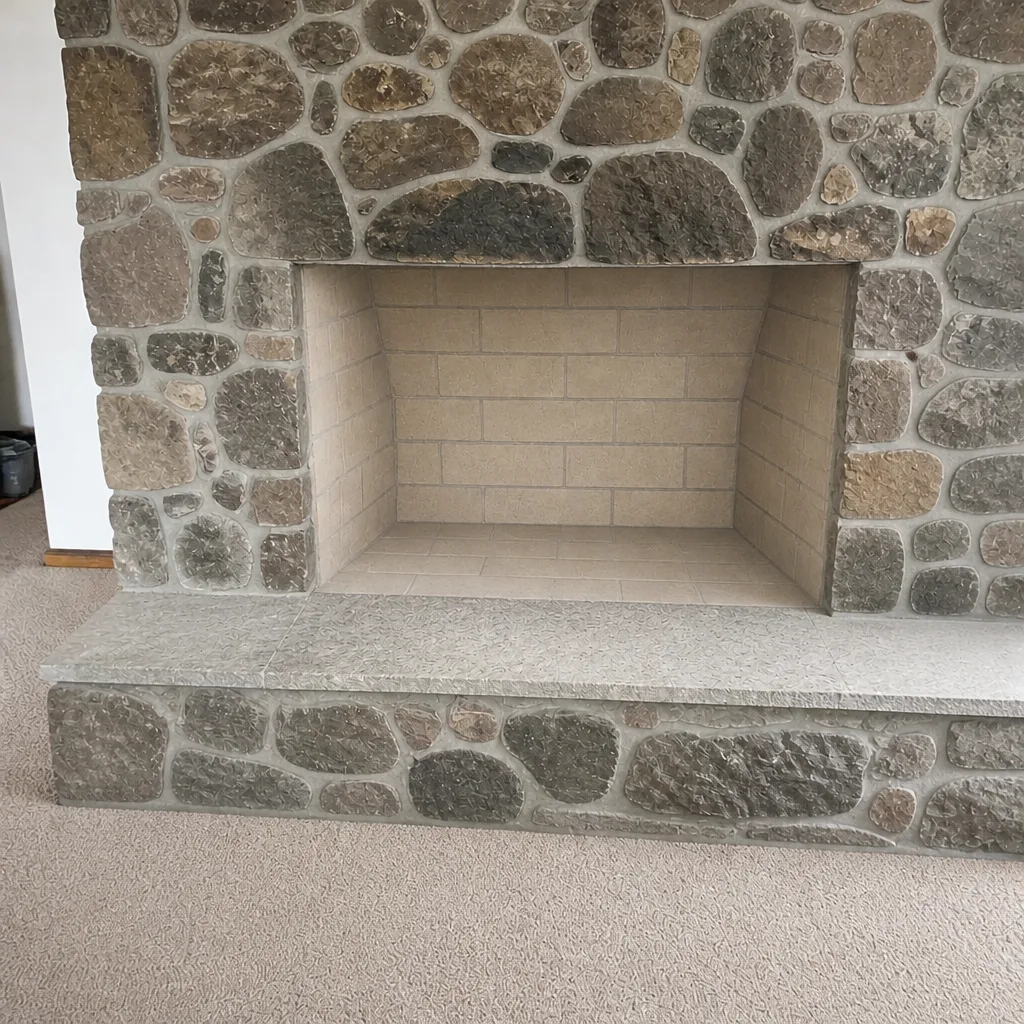 After
How Much Does Chimney Inspection Cost in South Hill?
A Level 1 chimney inspection in South Hill typically runs $100 – $250, while a Level 2 inspection with a camera scan generally falls in the $150 – $350 range. Real estate inspections with full written documentation often land around $250 – $400. These are typical ranges, not fixed prices. The written estimate you get before any work is booked sets the actual cost for your job.
What moves the price: whether a camera scan is included, the height and accessibility of the chimney, whether the appliance is wood, gas, or pellet, and whether the inspection is happening alongside a sweep. Bundling sweep and inspection usually makes more sense than scheduling them separately, since the technician is already on the roof and at the firebox.
How to avoid overpaying is simple: get a written estimate with the flat-price sweep agreed before booking, and make sure the inspection includes a photo report you keep. Free estimates are standard with us, and we’ll say plainly when work can wait. If someone recommends thousands of dollars of liner or masonry work based on a look from the ground, that’s your cue to get a camera inspection first.
Nothing is recommended without camera evidence you can see for yourself. If the flue is sound, we tell you that and you keep the report. Call (833) 509-5329 for an exact quote. Estimates are free.
Chimney Inspection Near South Hill – Our Service Area
We work across South Hill and the communities around it, including Puyallup, Frederickson, Summit View, Clover Creek, McMillin, Orting, Rainier, Yelm, Tanglewilde, Lacey, and Clear Lake. South Hill itself is a quick stop, and the surrounding towns are a reasonable drive, so scheduling an inspection outside your immediate neighborhood isn’t a problem. If you’re comparing options or want to understand what a thorough chimney inspection should include, we’re glad to walk you through it. We also handle inspections for homeowners working with a chimney inspection in Yelm or arranging a chimney inspection in Tanglewilde.
Serving South Hill, WA – Our Local Coverage Area
We serve South Hill and nearby communities. Use the map below to see the area we cover. If you’re nearby, we can almost certainly help.
Frequently Asked Questions – Chimney Inspection in South Hill
A chimney inspection is an assessment of the entire venting system, from the firebox and damper up through the flue and out to the cap and crown. It checks for creosote buildup, cracks in the flue lining, water intrusion, and blockages. Inspections come in three levels, and the right one depends on what’s prompted the check. We identify the level needed and explain why.
A Level 1 inspection usually takes 45 minutes to an hour, while a Level 2 with camera scanning typically runs 60 to 90 minutes. Real estate inspections with full documentation can take a bit longer. We give you a more precise window when we book. If we’re doing a sweep at the same time, plan on slightly over the inspection time alone.
Typical costs are $100 – $250 for a Level 1 and $150 – $350 for a Level 2 with camera scanning, with real estate inspections often in the $250 – $400 range. The final price depends on your chimney’s height, accessibility, and the scope you need, and the written estimate sets it. Call (833) 509-5329 for an exact quote – estimates are free.
Yes. We’re authorized to work with and install products from both HeatShield and DuraFlex, and we inspect existing installations of either. That matters because knowing what a proper HeatShield resurfacing or DuraFlex liner should look like lets us tell you whether yours is holding up. Whether you have those or any other make, we can help.
Same-day inspections are often possible when you call early in the day. Call (833) 509-5329. We answer 24/7. Fast dispatch from 7am to 7pm, Sunday through Friday. A call outside dispatch hours is booked into the next opening, Sunday through Friday, 7am to 7pm.
We stand behind the work, and any repair we perform carries a satisfaction guarantee. The inspection report itself is yours to keep, photos and all, and it documents the condition of your chimney at the time of the visit. Ask us about coverage for any specific repair when we review findings with you.
Clear access to the fireplace and hearth, and make sure we can reach the chimney exterior, which may mean unlocking a gate if the roof access is through a side yard. Don’t light a fire for at least 24 hours before the appointment. If you have records from previous sweeps or repairs, have them handy, since they help us spot changes over time.
Schedule Your Chimney Inspection Service in South Hill Today
An inspection before heating season is cheaper than finding out the hard way in January. We’ll show you what’s going on inside the flue, explain it in plain terms, and tell you what can safely wait. From the firebox to the crown, we handle the full system, and every repair starts with a written estimate. Call (833) 509-5329 for a free, no-obligation estimate. We answer 24/7.
Written by the team at South Hill Chimney Sweep.