
Last updated November 25, 2026
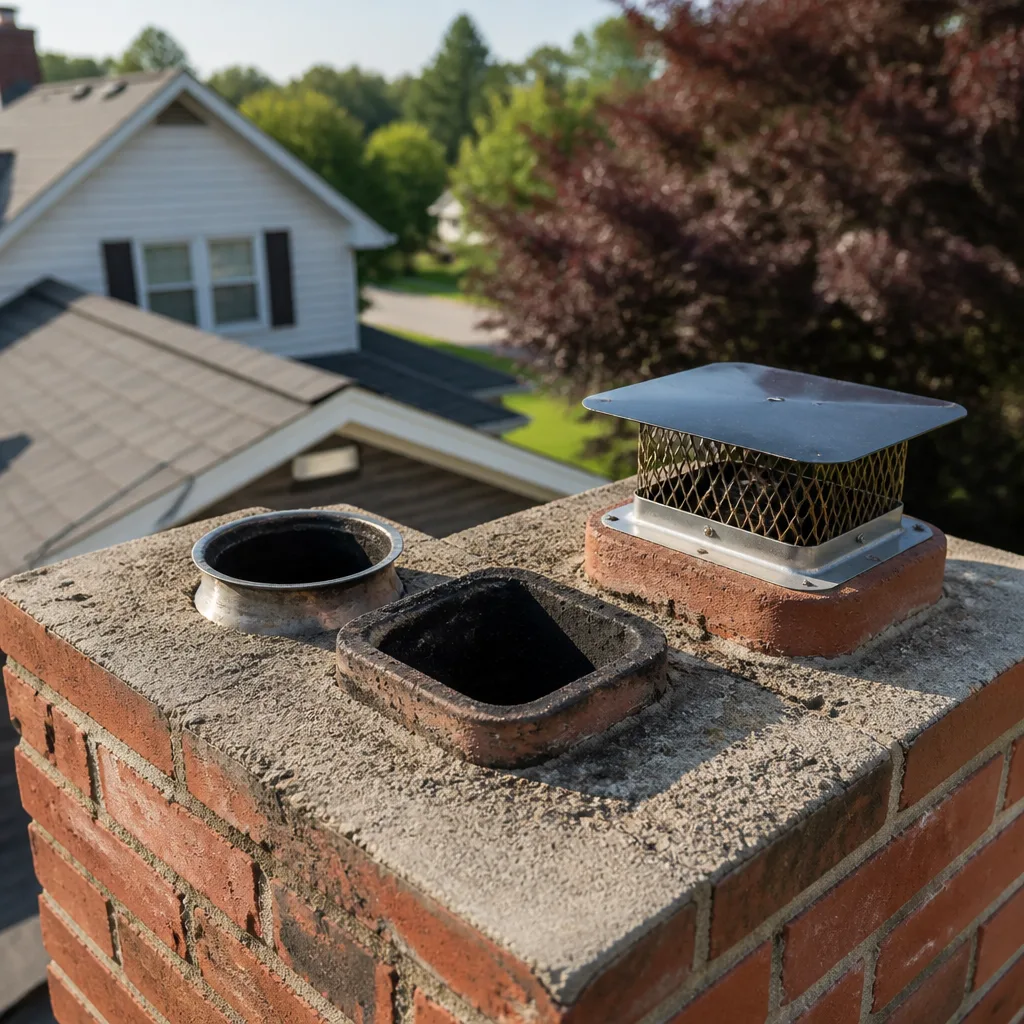 Sweep & inspection
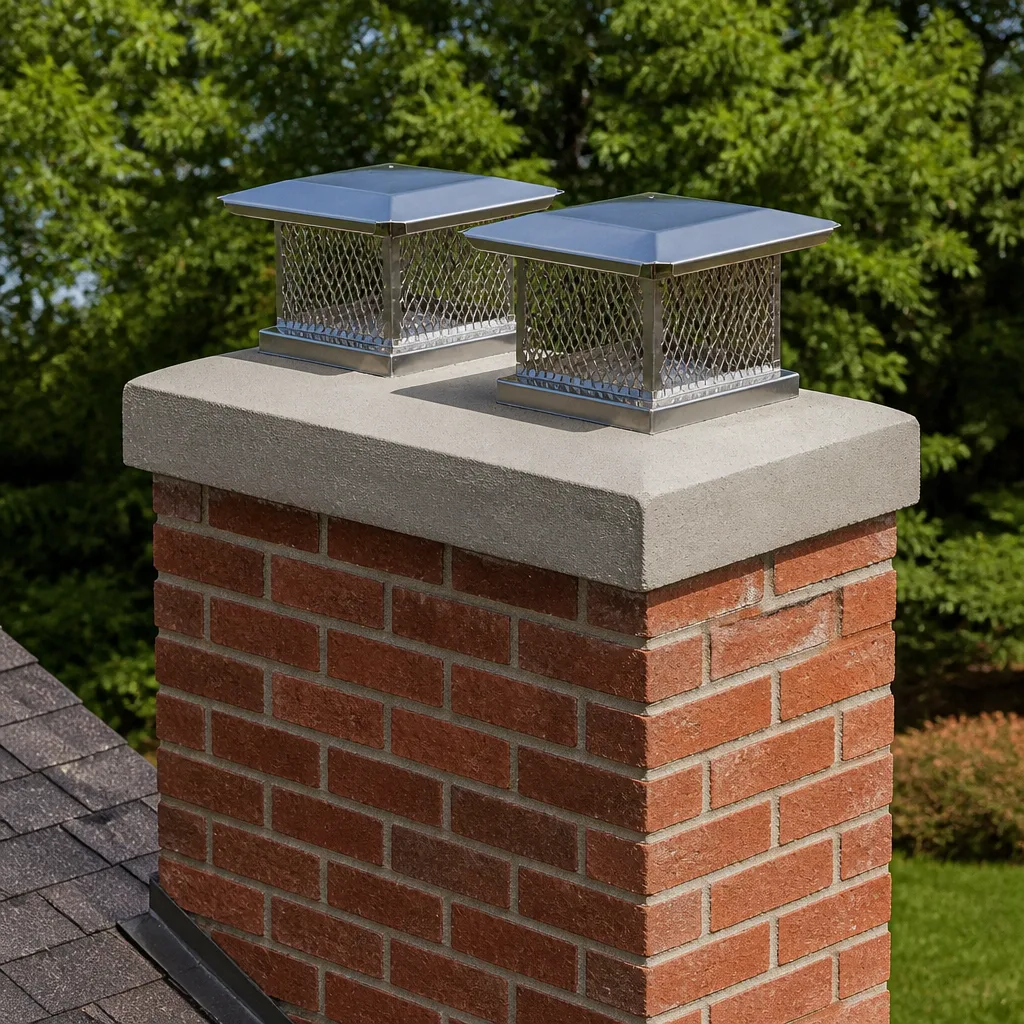 Caps & crowns
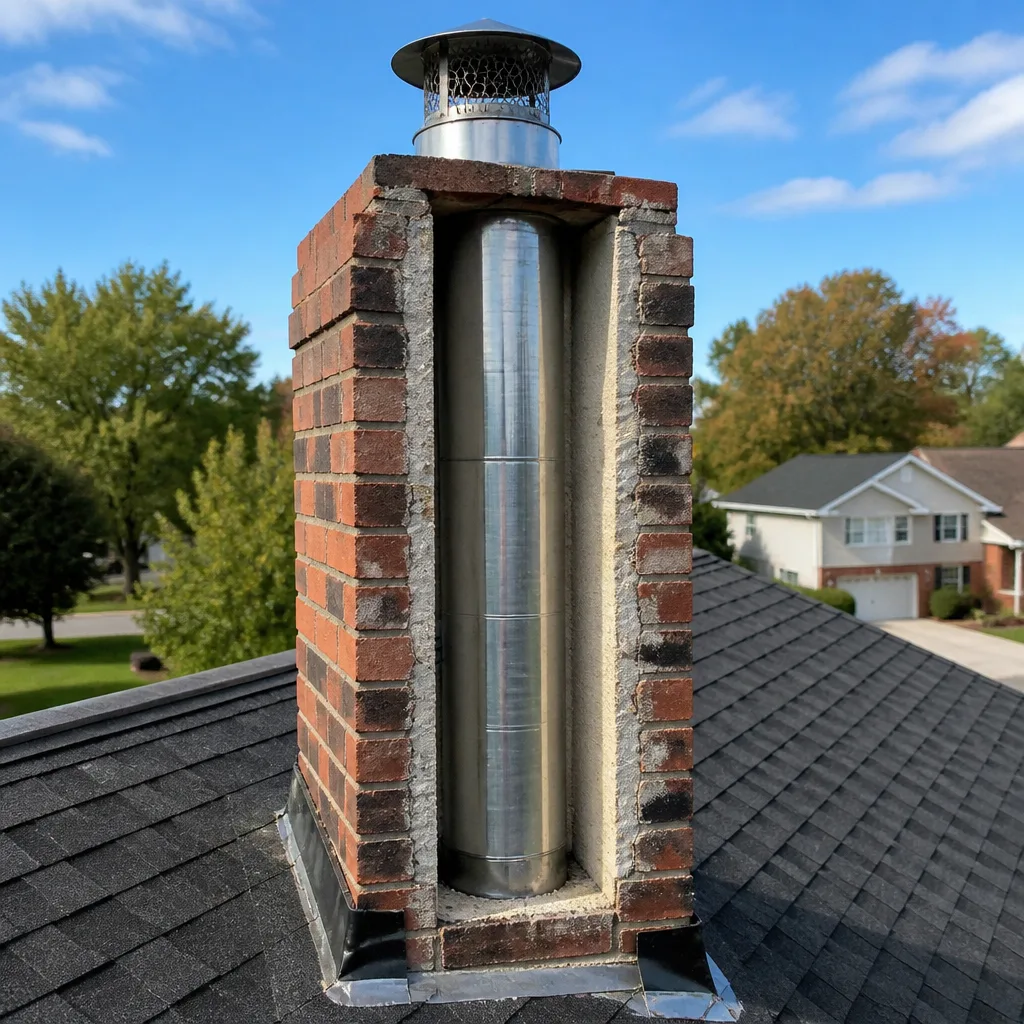 Flue relining
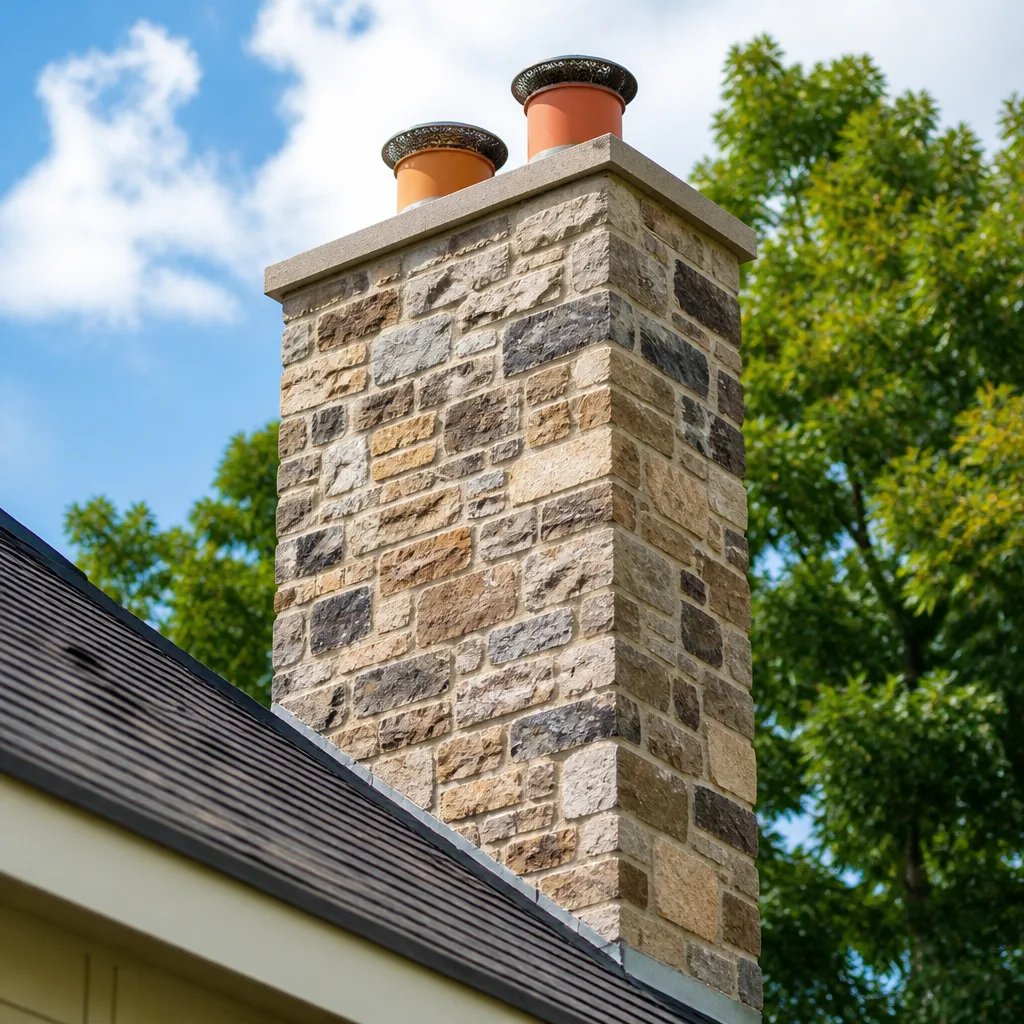 Masonry repair
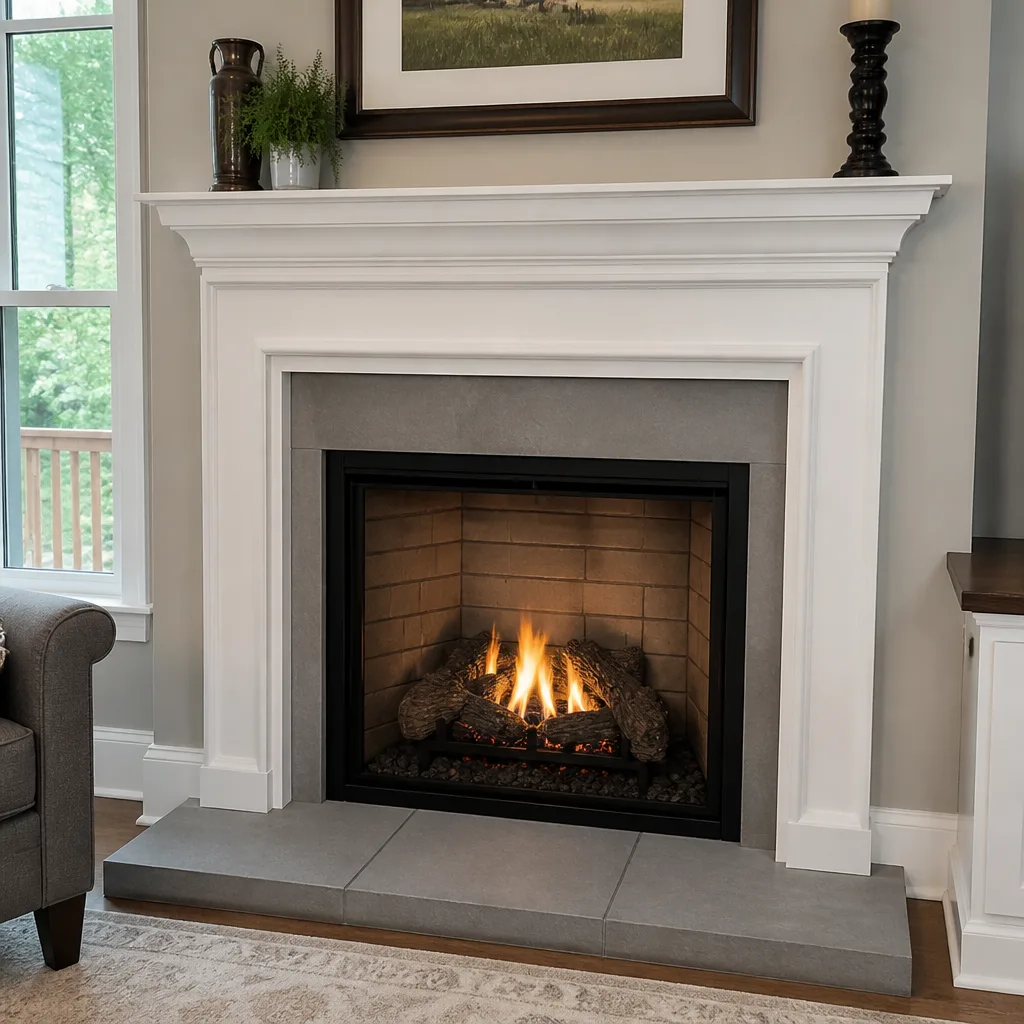 Gas fireplace service
Level 1 sweep and inspection to the NFPA 211 annual standard - flue, crown, cap, and flashing checked and photographed
Chimney sweep logs do not sweep chimneys. They loosen some creosote - which then falls where a brush and vacuum still have to collect it.
How to Hire a Chimney Cleaning Contractor in South Hill: A Step-by-Step Guide
CSIA certification is the floor, not the ceiling. A certified sweep who subcontracted the structural repair on your chimney to an uncredentialed helper still leaves a liability attached to your property, and the credential on the website won’t tell you that happened. In South Hill, the companies advertising chimney work range from dedicated specialists with in-house repair capability to general handymen who bought a brush kit last month, and they use almost identical language. This guide gives you the specific questions and credentials that separate them, so you can hire with your eyes open and know what you’re paying for before anyone climbs on your roof.
Quick Answer
Hiring a chimney contractor in South Hill means checking three credentials, not one: CSIA certification for the sweep and inspection, NFI (National Fireplace Institute) training for anything involving the fireplace or venting system, and a verifiable Washington State contractor license for structural repair work. Ask every company whether they perform structural repair in-house or refer it out, get a written scope-of-work estimate before any work begins, and be skeptical of “free inspection” offers that pivot immediately to a quote for thousands in repairs. The right company will show you camera evidence and tell you plainly when work can safely wait.
Styles & brands we work with
- Sweep & inspection
- Caps & crowns
- Flue relining
- Masonry repair
- Gas fireplace service
Table of Contents
- What Credentials Should a Chimney Contractor in South Hill Have?
- What Questions Should You Ask Before Hiring?
- Does the Company Do Structural Repair In-House or Refer It Out?
- What Red Flags Should You Watch for in a Quote?
- How Do You Verify a Washington State Contractor License?
- What Should a Legitimate Scope-of-Work Estimate Include?
- What Makes Chimney Work in South Hill Different?
- When Should You Book, and What’s the Right Seasonal Timing?
What Credentials Should a Chimney Contractor in South Hill Have?
There are three credential tiers that matter, and they cover different parts of the job. A company that holds all three is genuinely rare. A company that holds only the first is common, and it’s the gap between tier one and tier three where most hiring mistakes happen.
Tier 1: CSIA-certified chimney sweep. The Chimney Safety Institute of America (CSIA) certifies individual sweeps, not companies. Certification involves an exam and continuing education, and it confirms the technician understands how to sweep a flue without damaging it and how to spot the safety conditions an inspection should catch. Ask for the certification of the person who will actually be on your roof, not just the company’s general claim of being “certified.”
Tier 2: NFI specialist. The National Fireplace Institute certifies technicians in specific fuel categories: wood, gas, or pellet. If your South Hill home runs a gas insert, the person inspecting the venting should hold the gas certification. A sweep with only wood experience may not fully understand the venting and clearances a gas appliance requires. Ask which NFI category applies to your system and who on the crew holds that certification.
Tier 3: Washington State contractor license. Any company performing structural repair – masonry, crown work, liner replacement, cap installation – is doing construction work and needs the appropriate license from the Washington State Department of Labor & Industries. This is a company-level credential, and it’s the one most homeowners never check. A CSIA-certified sweep who doesn’t hold this license is fine for cleaning, and isn’t qualified to rebuild your crown.
In our experience, the most common mismatch is tier one presented as if it covers tiers two and three. A homeowner reads “CSIA certified,” assumes that covers repair work, and hires a company that then subs out the structural portion to whoever’s available. That’s why the next section matters so much.
When you hire for a full-service job – cleaning, inspection, and a repair – you want a company that holds all three credentials or is transparent about which parts it performs itself. If you’re starting with routine maintenance, book a chimney sweep from a company that keeps the rest of the workflow in-house rather than handing you off to a third party.
What Questions Should You Ask Before Hiring?
The questions below are the ones that separate a transparent company from a sales operation. Ask them on the phone before you book. A good company answers without hesitation and without pitching. Vague answers, or answers that pivot immediately to scheduling an inspection, tell you something.
- “Who will actually be on my roof, and what certification do they hold?” The person performing the work needs the credential, not just the company. Ask for the name of the certification and the category.
- “Do you perform structural repair in-house, or do you refer it?” This is the single most revealing question. A company that refers out repair work isn’t wrong to do so, but you deserve to know before you sign.
- “Is the inspection included in the sweep price, or is it a separate service?” A legitimate company bundles a level-one visual inspection with a standard sweep. If it’s separate, ask why and what it costs.
- “What does your written estimate include, and when do I get it?” Before any work begins. Not a verbal range on the driveway.
- “Will I see the photos or camera footage you’re basing your recommendations on?” The evidence should be yours to review, not described to you secondhand.
- “What happens if you find a problem you didn’t quote for?” The right answer: work stops, you’re told what was found, and you approve before anything continues.
- “How do you handle disposal of what you sweep out?” Legitimate operators contain the debris, don’t dump it in your yard, and use drop cloths inside the home.
- “Can you tell me what work can wait?” This is the honesty question. A company that can name what isn’t urgent has a different business model than one that can’t.
You don’t need to run the full list every time. If you’re calling for a routine sweep on a chimney you know is in good condition, questions one and three cover most of it. If you’re calling because you noticed crumbling mortar or a stained crown, questions two and five are the ones that determine whether you’re hiring a specialist or a middleman.
Write down the answers. When you’ve called two or three South Hill companies and compared what they told you, the differences in transparency become obvious very quickly.
Does the Company Do Structural Repair In-House or Refer It Out?
This distinction changes the whole shape of the job. A company that performs sweep, inspection, fireplace repair, chimney repair, and cap and crown work in-house can inspect, quote, and complete the full scope without handing you between vendors. A company that sweeps and refers out everything else is a scheduling service for the structural part, and you lose the accountability that comes with one company owning the outcome.
The referral model isn’t automatically bad. Some sweeps are excellent at their half of the trade and know it. The problem is when the referral is invisible. You hire company A thinking you’re getting company A. Then a helper shows up from company B, working under company B’s standards, and your only recourse when something goes wrong is a phone number for someone you never vetted.
How to check without sounding confrontational: ask “does the same company do the repair, or does someone else come out for that?” That question is normal, and a good company answers it directly. Follow up with “who holds the license for the repair portion?” If the answer names a different company, you’re hiring a referral. That’s fine if you then vet the second company yourself using the same credentials from the section above.
The full-system advantage is most visible with repairs that touch more than one area. A chimney with a cracked crown and a deteriorated flue liner has two problems in the same system. A company that handles structural repair and has HeatShield capability for liner resurfacing – a specialized resurfacing process for deteriorating flue interiors that most sweep-only companies don’t offer – can address both without a second contractor. That’s the difference between a chimney company and a sweep with a repair phone number in their contacts. Full-system work, from the firebox to the crown, is one of the reasons we work as a chimney specialist and not a generalist with a brush.
If your inspection reveals fireplace problems specifically, ask whether that falls inside the company’s in-house scope or outside it. A chimney specialist handles both sides of the system, and you can read about how that works on our fireplace repair page. If the structural side is what’s flagged, the chimney repair scope covers the flue, crown, and cap work that keeps water and heat where they belong.
What Red Flags Should You Watch for in a Quote?
The “free inspection” pricing model deserves specific attention because it’s the one that catches South Hill homeowners most often. Here’s how it works, and what to watch for.
- A free inspection that ends in a four-figure quote with no photos. If the recommendation is expensive and you’re being told rather than shown, ask for the camera evidence. A legitimate company will have it. This is the single most important red flag in the trade.
- A quote delivered on the driveway before any work happens. Estimates should be written down, and you should have time to read them. A verbal range shouted from the ladder is not an estimate.
- Urgency language that hasn’t been earned. Some chimney conditions are genuinely urgent – a damaged flue that’s actively venting combustion gases into the home is a stop-using-it-now situation. But “your chimney is dangerous, we need to do this today” without photos or a written report is pressure, not information. Ask what specifically was found and where on the flue it is.
- No mention of what’s NOT needed. A company that only quotes work and never says “this part can wait” is a company that quotes everything. Expect at least one line item to be “no action needed” or “monitor this.”
- A “certified” claim that doesn’t name the certification. CSIA, NFI, and Washington State contractor licensing are all specific and verifiable. “Certified technicians” is a slogan.
- No written scope, only a total price. You should be able to read what’s included, what’s excluded, and what the company won’t touch. A total price with no line items gives you nothing to compare.
- Referrals without names. If the company says they’ll “take care of the repair part,” ask who specifically holds the license. A legitimate referral names the second company, and you vet them.
Red flags in pricing are usually red flags in process. The company that shows you the photos, writes the scope, and tells you what can wait is almost always the one whose quote holds up when you compare it against the next one. The company that skips all three is asking you to make a decision on trust alone. In chimney work, you shouldn’t have to.
How Do You Verify a Washington State Contractor License?
Verifying a contractor license in Washington State takes about two minutes, and it’s the step most homeowners skip. Every licensed contractor in the state has a license number, and the Department of Labor & Industries maintains a public database you can search without creating an account. The number should appear on the company’s estimate, their contract, and their advertising.
- Ask for the license number. Do this at the estimate stage, not after work begins. “Can I get your contractor license number for my records?” is a normal request and a legitimate company will give it without hesitation.
- Go to the L&I contractor verification search. The Department of Labor & Industries runs a public lookup at lni.wa.gov. Search by either the license number or the company name.
- Confirm three things: the license is active, the company name matches, and the specialty applies to chimney work. An inactive or suspended license, a mismatched company name, or a specialty that doesn’t cover construction and repair are all disqualifying.
- Check the insurance and bond status listed alongside the license. The database shows whether the contractor’s bond and insurance are current. If they’ve lapsed, the license may still list as active but you don’t have the same protection.
- Save a screenshot of the result. It’s a small thing, but having the verified license on file is useful if a dispute ever arises.
A sweep and inspection-only company may or may not hold a construction license depending on whether they perform structural work. The license question is most important when you’re hiring for repair, liner replacement, crown work, or cap installation. Those are construction activities. A CSIA credential covers the sweep, and doesn’t substitute for the license when structural work is part of the job.
While you’re on the L&I site, note the business address. A company with a physical Washington presence is easier to hold accountable than a web listing with a phone number and no verifiable location. The local pro should be licensed and insured as their state requires, and you should be able to confirm it yourself rather than taking the website’s word for it.
What Should a Legitimate Scope-of-Work Estimate Include?
A scope-of-work estimate tells you exactly what will be done, what won’t, and what the price covers. It’s more detailed than a quote and more useful than a total. If you’re comparing two estimates and one gives you a scope while the other gives you a total, the scope is the better starting point even if the total looks higher, because you can compare it line by line.
A complete scope of work should include:
- The specific work items. Not “chimney service” but “sweep flue, level-two inspection, photograph crown and flue.” Each item named separately.
- The condition findings that justify any recommended repair. What was seen, where it is on the flue, and what happens if it isn’t addressed. This is the part that separates a professional scope from a sales document.
- Materials, by brand and specification. If a liner is being replaced, the estimate should name the liner system. Professional-grade materials matter here – DuraFlex flexible liners, for example, address code compliance and draft performance in aging chimneys without full demolition. A quote that says “new liner” without naming the product gives you no way to compare.
- What’s included and what’s excluded. Disposal, cleanup, protection of floors and furnishings, restrictions on what the company will and won’t do. If something isn’t listed as included, assume it isn’t.
- The payment terms and the final-price clause. Estimates are estimates; the written final scope and price should be clear before work starts. If the price is subject to change on discovery, the process for approving the change should be written into the scope.
- The license number and insurance confirmation. It should appear on the estimate itself. If it doesn’t, ask for it in writing.
- The schedule and the notification process. When work will begin, and what happens if a problem is found mid-job. Work should stop and you should be notified before anything outside the scope continues.
The brand names in a scope are a useful credibility check, and not because brand names alone make a company good. A company that specifies Olympia Chimney cap systems or Famco components in writing is committing to specific products with known performance, and you can look those up. A company that writes “standard liner” has committed to nothing. We use brands like these because they’re the professional standard, not the cheapest option, and the scope is where that commitment should show up in writing.
If you want a sense of what chimney services look like together – sweep, inspection, repair, and structural work – the full scope is on our South Hill Chimney Sweep page. Read it before you compare estimates from two other companies. Knowing what a complete scope covers makes the comparison straightforward.
What Makes Chimney Work in South Hill Different?
Chimney problems in South Hill look like chimney problems anywhere in the Puget Sound region, with one big difference: wet winters that accelerate water-driven decay on the parts of the chimney most exposed to rain. The upper third of the chimney – the crown at the top and the mortar at the flue’s crown and shoulders – takes the most direct exposure, and it’s where the first callbacks usually appear. A stained or crumbling crown isn’t cosmetic. It’s the leading entry point for the water that causes long-term structural damage further down the system.
The housing stock matters too. Older South Hill homes often have masonry chimneys built to construction standards that have since tightened around venting and clearances, and those chimneys frequently need a liner upgrade to bring them into compliance when they’re connected to a modern appliance. We’re equipped for HeatShield resurfacing, which addresses a deteriorated flue interior without a full rebuild, and we install DuraFlex flexible liner systems to bring aging flues into code compliance without demolition. Those capabilities exist because this market has that kind of demand. A sweep-only company would have to refer both.
South Hill also sits in a market where the same company might be advertising in Puyallup, Graham, and Bonney Lake, and the same credentials questions apply. The Pierce County code office handles permits for structural work, and while most chimney repairs are minor enough to fall outside permitting, structural rebuilds and liner installs can cross the line. Ask the company you hire whether their proposed scope requires a permit. A specialist will know. A generalist with a brush kit usually won’t.
What you’re really looking for in South Hill is a specialist that treats the whole system – sweep, inspection, repair, cap and crown – as one job. A chimney cap and crown service, for example, is what protects the top of the system from water intrusion in the first place. A company that cleans but doesn’t cap is leaving the top of the chimney unprotected. A company that does both can tell you what a complete job looks like. If you want to see how the service pieces fit together for South Hill homes, that’s what our chimney repair scope is built around.
When Should You Book, and What’s the Right Seasonal Timing?
Book before burning season, not after. That’s the whole answer, and it’s the one piece of timing advice that applies to every South Hill home with a wood-burning fireplace. Burning season here runs from fall into early spring. The safe window for an inspection and sweep is the late summer and early fall, before the first fire of the year. A chimney that gets inspected in the spring has been through a full season of use and a wet winter, and the findings are useful, but the inspection that prevents a problem is the one before the fire, not after.
What that means in practice:
- Late summer through early fall: the best time to book a sweep and inspection. The chimney is at its most accessible, and any recommended repairs can be done before the first burn.
- Anytime you notice a problem: crumbling mortar, a stained crown, a smoky firebox, odors that appear when the weather changes, or an interior stain on the ceiling near the chimney. Wait for none of these. They describe water intrusion or a draft issue that gets worse with use.
- Before the first fire of the season: the liability check. A chimney inspection isn’t just maintenance; it’s the check that tells you the flue is safe to use. Skipping it because the chimney “looked fine” last year is where most of the serious problems get their head start.
- After a chimney fire: any suspected chimney fire – a loud roaring, a flue that glows, or a sudden chemical smell – needs a level-two inspection before the chimney is used again, regardless of how long ago it happened.
How often to sweep depends on how much you burn. A wood-burning fireplace used regularly through the season needs a sweep at least once a year, and a heavy user can need more frequent cleaning. Gas appliances need annual inspection too, but the maintenance schedule is different. The most reliable answer is the one that comes from an inspection: a technician who looks at your flue and tells you when it will next need attention, based on what’s actually there, is giving you a schedule specific to your chimney.
Our technicians have up to 15 years of experience, and they’ve seen what late versus early booking looks like across all kinds of South Hill homes. Call (833) 509-5329 to book before burning season. We answer 24/7. Fast dispatch from 7am to 7pm, Sunday through Friday.
Common Mistakes to Avoid
- Treating CSIA certification as a complete credential. It covers the sweep and inspection. It doesn’t cover structural repair or the NFI specialist training for gas venting. Ask for all three tiers when repair is part of the job.
- Hiring on price alone. The lowest quote is often a sweep-only price for a job that also needs repair, and the repair becomes a separate line item once the sweep is done. Compare scopes, not totals.
- Accepting a “free inspection” quote without photos. The recommendation should be shown, not told. If the camera evidence isn’t in front of you, ask for it before you decide.
- Skipping the contractor license check. It takes two minutes on the L&I site and confirms the company that will be doing structural work is actually licensed to do it. Skip it and you’re trusting a website.
- Not asking what can wait. A company that can’t name the work that isn’t urgent is usually a company that quotes everything. The right answer includes at least one “monitor this, no action now.”
- Booking after the first fire instead of before. The inspection that prevents a problem runs before burning season. The one after it catches what already happened.
- Letting a referral happen invisibly. If the company you hired isn’t doing the repair, ask who is and vet them yourself. The referral itself isn’t the problem. The invisible referral is.
See the difference
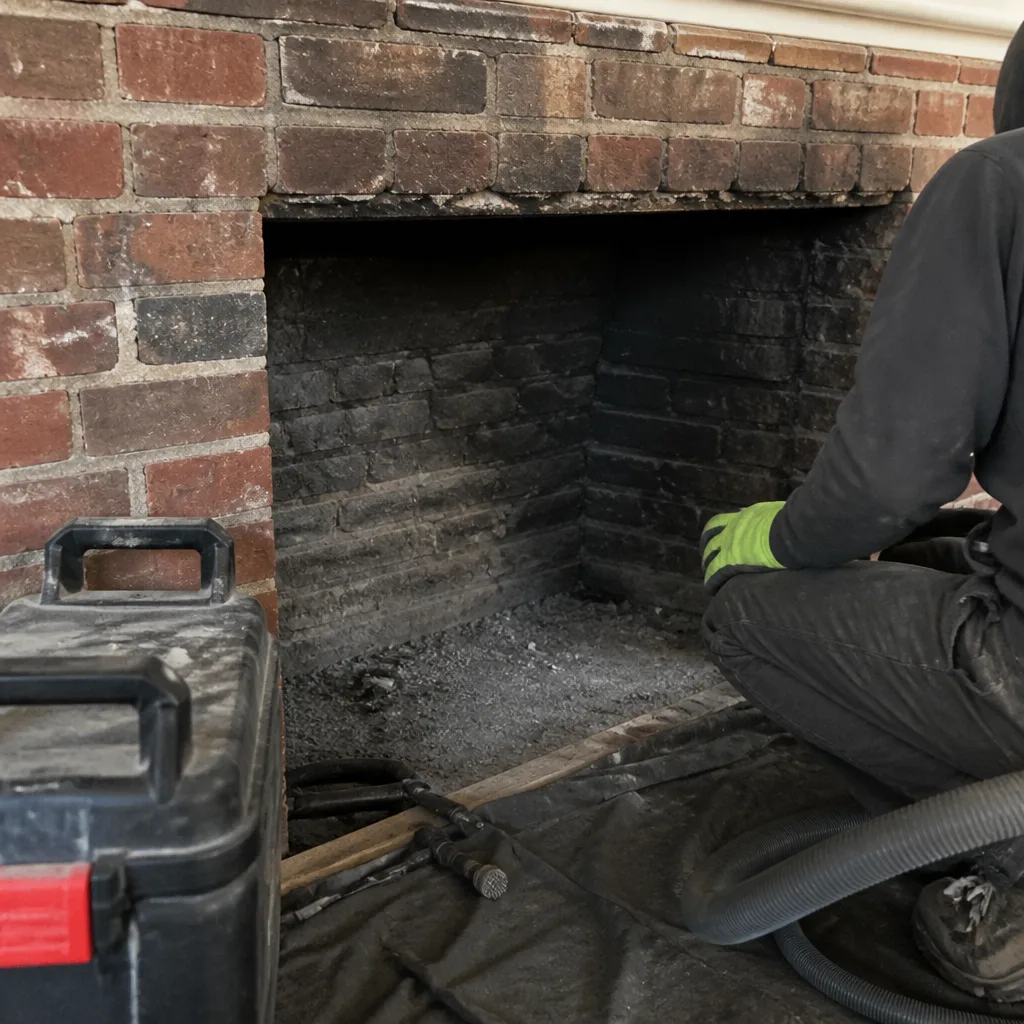 Before
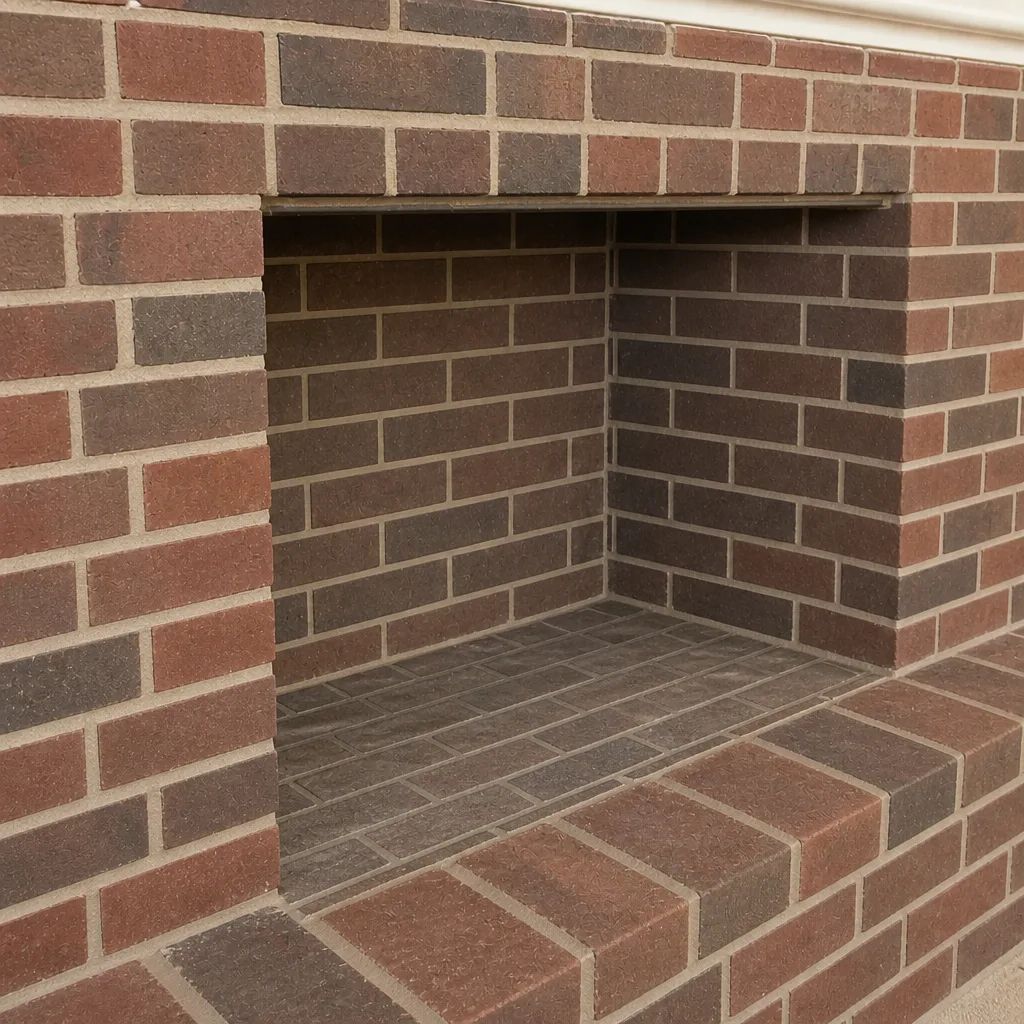 After
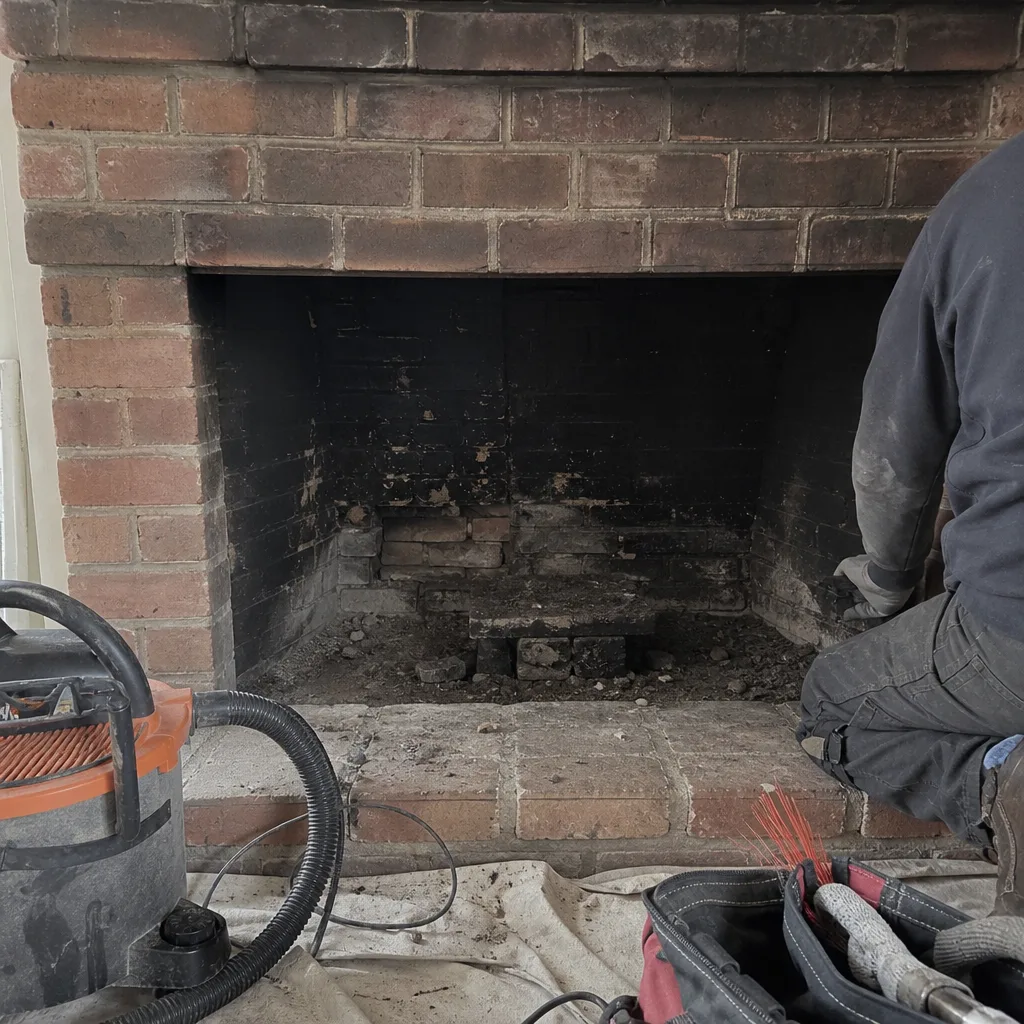 Before
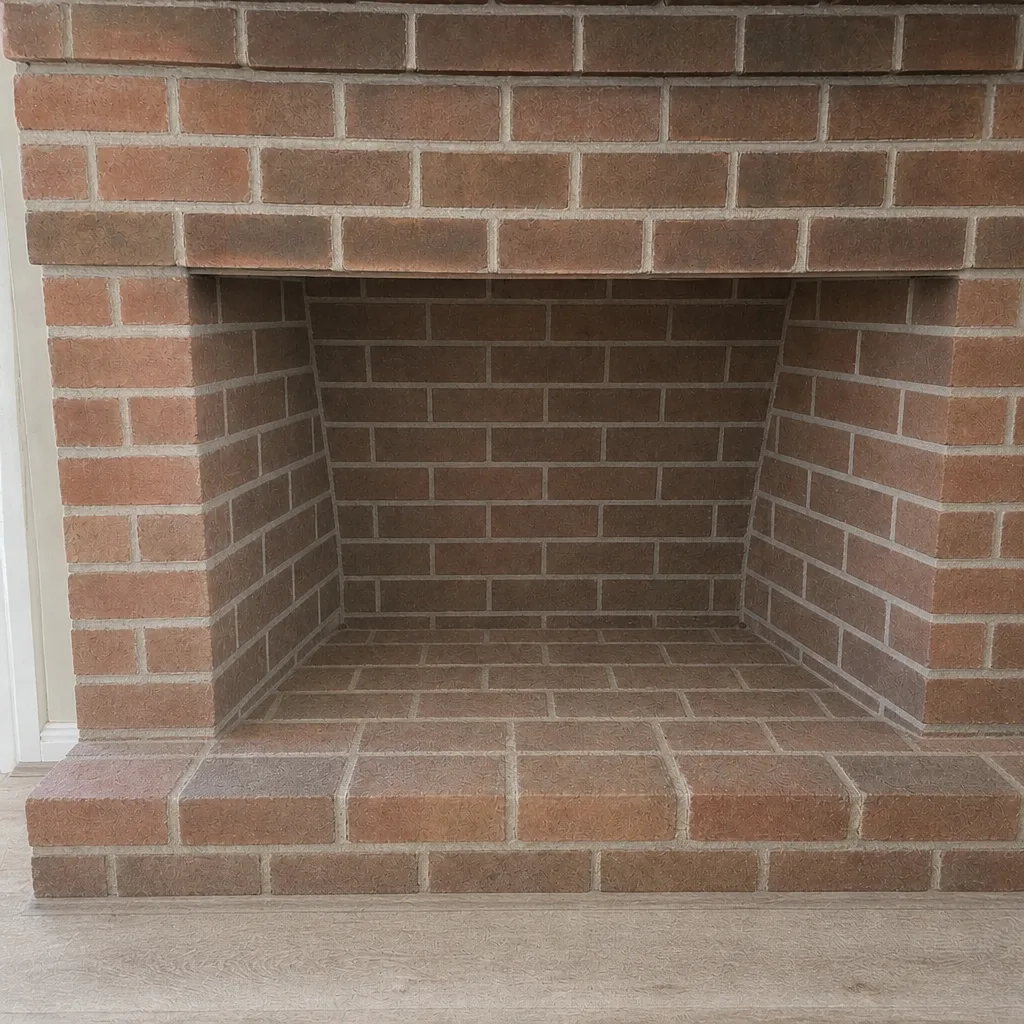 After
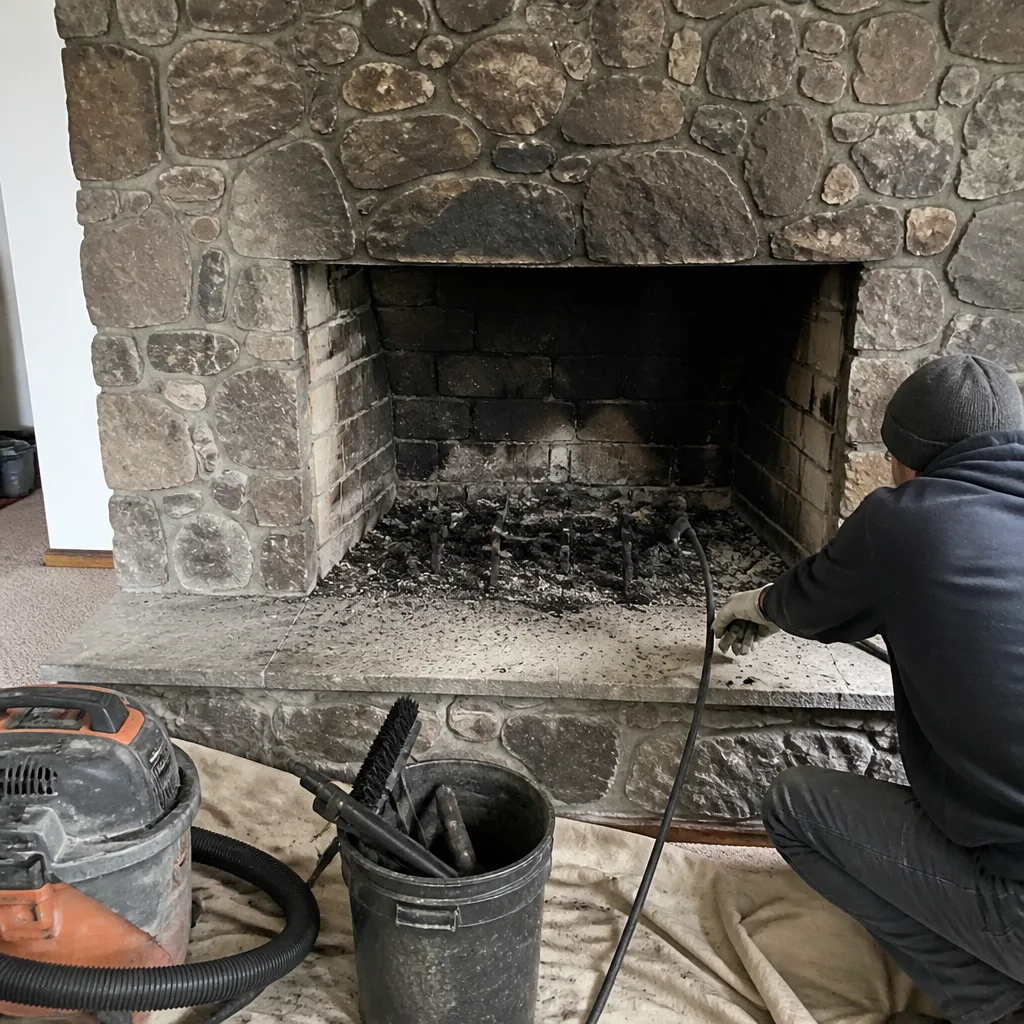 Before
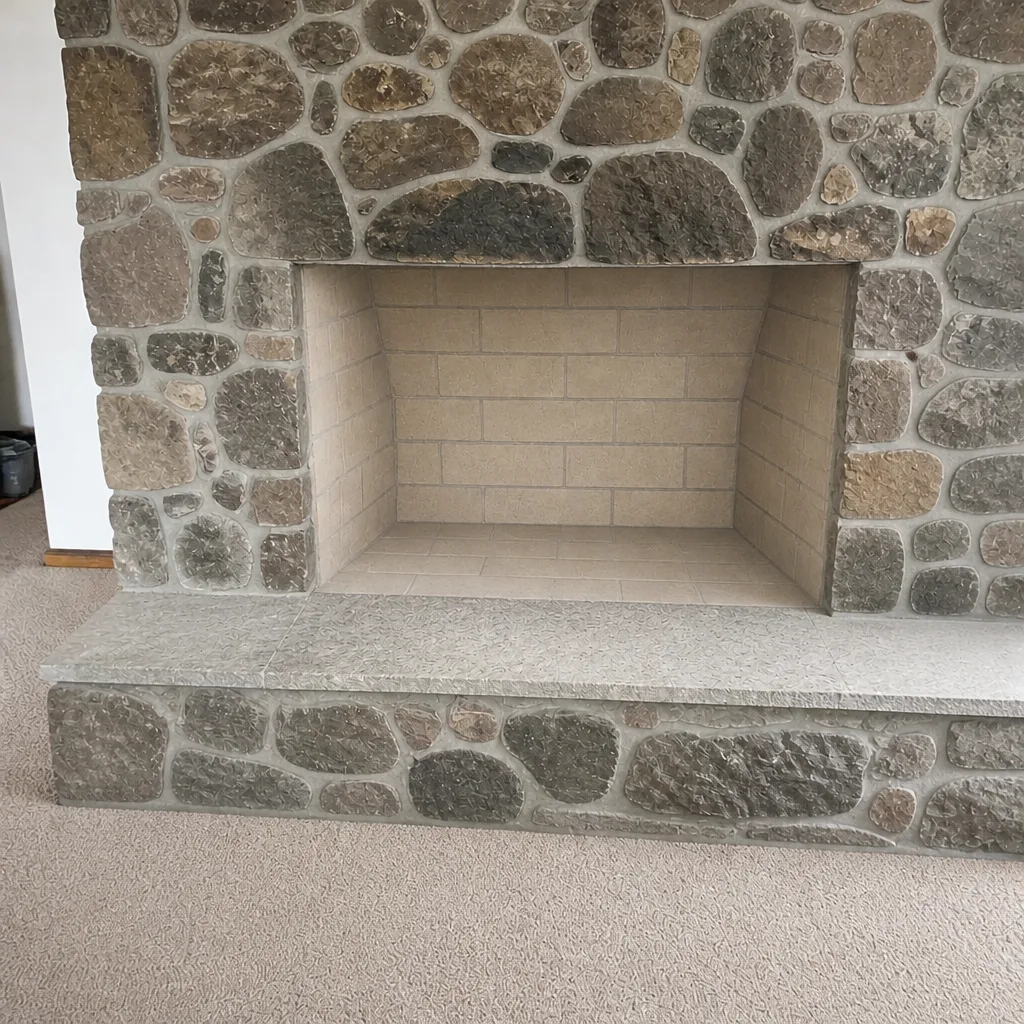 After
When to Call a Professional
Call a professional chimney specialist in South Hill when you’ve noticed any of the following: crumbling mortar at the crown, a stain on the interior ceiling near the chimney, a smoky firebox that didn’t used to smoke, odors that appear when the weather changes, a flue liner that’s cracked or missing, or a fireplace you haven’t had inspected in more than a year. Also call if you’ve had a chimney fire, suspected or confirmed, and haven’t had a level-two inspection since. A trained professional should handle anything involving the flue interior, the crown, or the venting, and you shouldn’t attempt to sweep or inspect a flue yourself. The conditions those inspections find – a cracked liner venting combustion gases into your home, a crown that’s letting water into the masonry – are not things you can safely assess from the ground with a flashlight.
South Hill Chimney Sweep offers free estimates in South Hill. The estimate is per job, set by the written scope, and includes the camera inspection and photo report so you see what we see. Call (833) 509-5329. We answer 24/7. Fast dispatch from 7am to 7pm, Sunday through Friday.
Frequently Asked Questions
A standard chimney sweep in South Hill typically runs a few hundred dollars, and the inspection is usually included in the sweep price. The exact cost depends on the flue configuration, how much creosote has accumulated, and whether the chimney has multiple flues. Get the written estimate before booking so you know what the sweep includes and whether inspection is bundled or separate. Call (833) 509-5329 for an exact quote. Estimates are free.
You want a CSIA-certified sweep because certification confirms the technician was tested on how to clean a flue without damaging it and how to recognize the safety conditions an inspection should catch. It’s the baseline credential in the trade, not a bonus. Ask for the name of the certification held by the person who will actually be on your roof, not just the company’s general claim. Call (833) 509-5329 to confirm the certification on the technician assigned to your job.
You need a new liner only if the inspection finds the current liner is cracked, missing, deteriorated, or undersized for the appliance connected to it. A liner replacement is a real repair and not a maintenance upgrade, and no reputable company should recommend one without showing you the camera evidence of what’s wrong. We install DuraFlex flexible liners for code compliance and draft performance when the existing flue can’t be safely used as-is. If the liner is sound, work can safely wait. Call (833) 509-5329 and ask for the photo report before any liner recommendation.
A wood-burning fireplace in South Hill needs a sweep at least once a year, and a heavy burner can need more frequent cleaning depending on how much creosote accumulates. Gas appliances need annual inspection but a different maintenance schedule, since there’s no creosote. The most accurate answer comes from an inspection of your specific flue. Book before burning season, and the technician can tell you when your chimney will next need attention based on what’s actually there. Call (833) 509-5329 to schedule.
Skipping the annual inspection means creosote accumulates unassessed and small conditions – a hairline crack in the liner, a crown that’s started to check – go unnoticed until they become real repairs. Creosote is the fuel for chimney fires, and a compromised liner can vent combustion gases into the home. Neither reads as dangerous from the living room. The inspection is the check that catches those conditions while they’re still small. Call (833) 509-5329 to book an inspection before burning season.
Yes. Every licensed contractor in Washington State has a license number you can verify through the Department of Labor & Industries public lookup at lni.wa.gov. Ask the company for the number at the estimate stage, then search it yourself. Confirm the license is active, the company name matches, and the specialty covers construction and repair if structural work is part of the job. If the company won’t give you the number, that’s the only verification you need.
The Bottom Line
The companies advertising chimney work in South Hill all sound similar on their websites, and the differences that matter are in what they can do in-house, which credentials the technician on your roof actually holds, and whether they’ll show you the evidence behind a recommendation. Check all three credential tiers – CSIA, NFI, and Washington State contractor licensing – before you book. Ask whether structural repair happens in-house or by referral, and vet the second company yourself if it’s a referral. Verify the license number on the L&I site. And expect the estimate to include a written scope, a photo report, and at least one line item that says work can safely wait. A chimney specialty company will do all of this as a matter of course. A generalist with a brush kit usually won’t.
If you’d like to talk through your chimney’s condition before booking, we’re the South Hill company that handles the full system: sweep, inspection, fireplace repair, chimney repair, cap and crown. We work with professional-grade brands including DuraFlex, Olympia Chimney, and Famco, and we’re equipped for HeatShield resurfacing where the flue interior calls for it. The estimate is free, the scope is written, and you see the photos before you decide. Call (833) 509-5329. We answer 24/7. Fast dispatch from 7am to 7pm, Sunday through Friday.
Written by the team at South Hill Chimney Sweep.